Crane Operator Hire: What to Expect From a Pro
Crane operator hire is the fast way to keep your project safe and on schedule. Crane operator hire: discover 4 crucial checks pros make before every lift to keep your site safe and efficient. When you bring in a certified operator, you are not only renting a machine. You are adding a safety leader who follows a proven process before, during, and after each pick. At American Erecting & Ironworks, our NCCCO-certified operators run late-model cranes and follow detailed checklists so your lift is done right the first time.
Whether you are setting rooftop HVAC units, placing steel, or relocating heavy machinery, experienced operators look beyond the hook. They verify site conditions, confirm the load plan, inspect the crane, and lock in communications. This guide explains the four things a professional will check before every lift and how the American Erecting & Ironworks team supports you from planning to demobilization.
Why Professional Crane Operator Hire Matters
Hiring a certified operator is one of the most important decisions you can make for safety and productivity. The right partner brings technical skill, a quality fleet, and a safety culture that prevents delays and damage. With American Erecting & Ironworks, you get a second-generation, family-owned company based in Racine, Wisconsin, with more than 30 years of field experience. Our crew supports contractors, builders, and manufacturers across Racine, Kenosha, and Milwaukee counties, as well as parts of Lake County, Illinois.
We operate late-model cranes, tractor-trailers, forklifts, and rough terrain telehandlers. Every operator is NCCCO-certified and follows strict safety standards. When you choose our crane operator hire service, you also gain access to machinery moving experts, steel erecting know-how, and flexible equipment rental if the scope changes mid-project. We are here to help you finish on time while protecting your site and your team.
The 4 Critical Checks Every Professional Operator Makes
1. Site and Ground Conditions
No lift begins until the operator confirms that the site can safely support the crane and the load. Ground conditions often decide whether a pick is safe. A professional will assess soil bearing capacity, grade, and the path the crane and support trucks must travel. They will also verify that the planned setup area is level, stable, and clear of underground or overhead hazards. This pre-check prevents tip-overs, outrigger punch-through, and accidental strikes.
- Ground bearing and support: The operator evaluates the soil or pavement strength and chooses outrigger pads or crane mats to spread loads. They confirm that the setup pad can handle peak outrigger loads listed in the crane chart.
- Grade and leveling: Hills, dips, and uneven surfaces affect crane capacity. The operator checks slope and uses cribbing or mats to achieve level within manufacturer limits.
- Underground and overhead hazards: Utility locates help identify water lines, sewers, vaults, and tunnels. Overhead, the operator scans for power lines, trees, signs, and building overhangs.
- Access and egress: Safe ingress for the crane, counterweight truck, and trailers is verified. Turning radius, gate widths, and overhead clearance are checked from the street to the pad.
- Exclusion zones: The team sets up barricades and swing radius protection to keep workers and the public out of danger zones.
This first check is not a quick glance. It is a focused review that sets the stage for the full plan. If conditions are questionable, our American Erecting & Ironworks operators will recommend improvements like larger mats, a different pad location, or sequencing changes to avoid risks.
2. Load, Rigging, and Lift Plan
The second check is all about the load and how it will be rigged and moved. A pro knows that weight, center of gravity, and pick radius control your safe working capacity. The operator confirms the data and designs a plan the whole team can follow.
- Weight verification: The operator verifies load weight from drawings, cut sheets, or scale tickets. If there is uncertainty, they add a safety margin or arrange a weigh plan.
- Center of gravity: Uneven or offset loads change how the load will hang. The operator plans pick points and rigging to keep the load level.
- Rigging hardware: Slings, shackles, spreader bars, and hooks must have working load limits that exceed the expected load. Inspecting tags and condition is part of the pre-lift routine.
- Pick radius and boom configuration: The operator selects boom length, radius, and parts of line to meet the capacity chart with room to spare. They review the charts for the exact crane model on site.
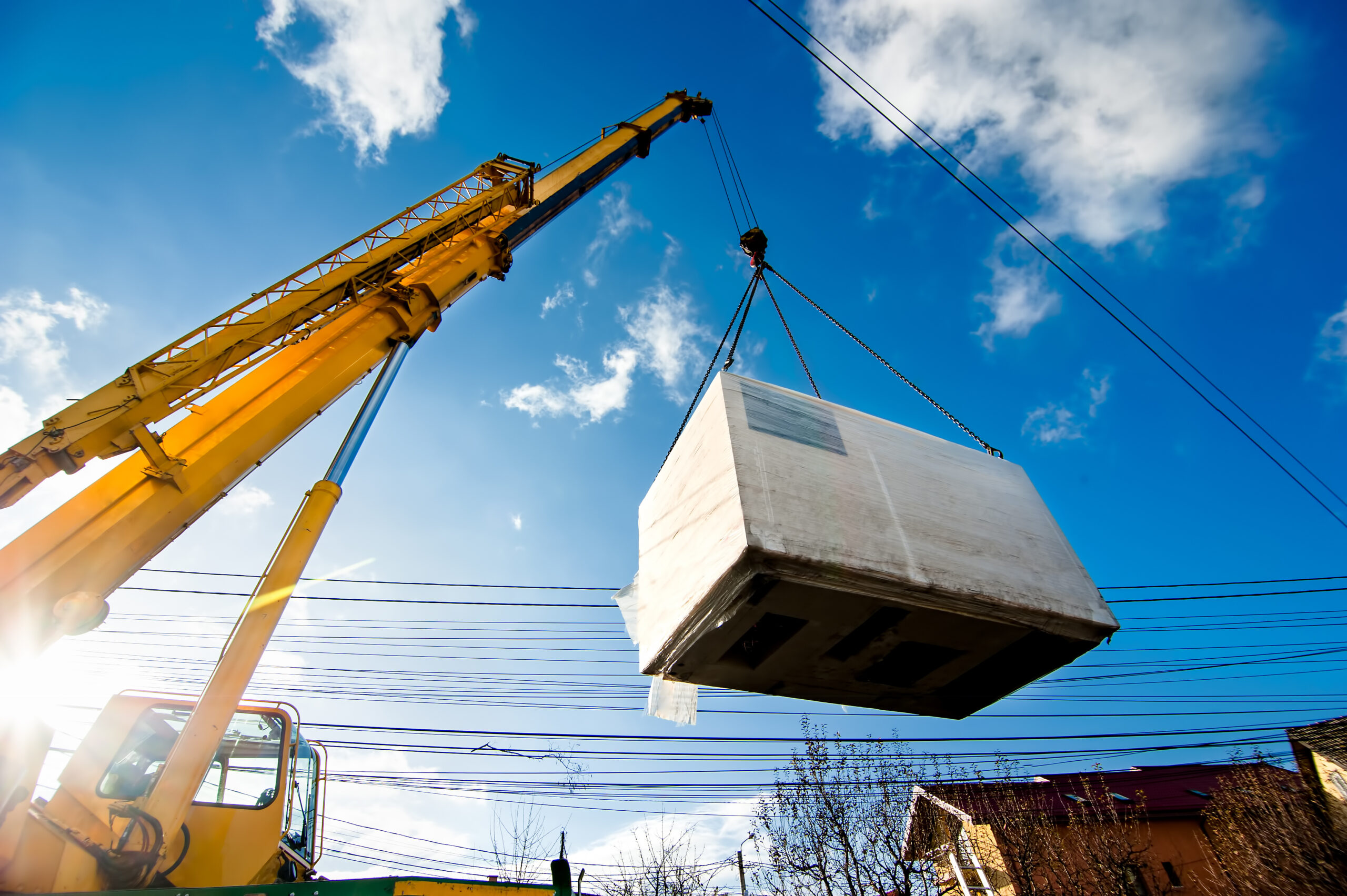
- Lift path and set location: The path from pick to set is cleared and measured. Obstacles, soft spots, and personnel are planned around. Tag lines and spotters are assigned as needed.
- Critical lifts and tandem picks: If the lift approaches high percentages of chart capacity or uses two cranes, a detailed plan and extra review are completed before proceeding.
At American Erecting & Ironworks, the operator will talk through the plan with your team. Everyone from the signal person to the set crew understands their role. This approach reduces confusion and keeps the lift smooth and predictable.
3. Crane Setup and Mechanical Inspection
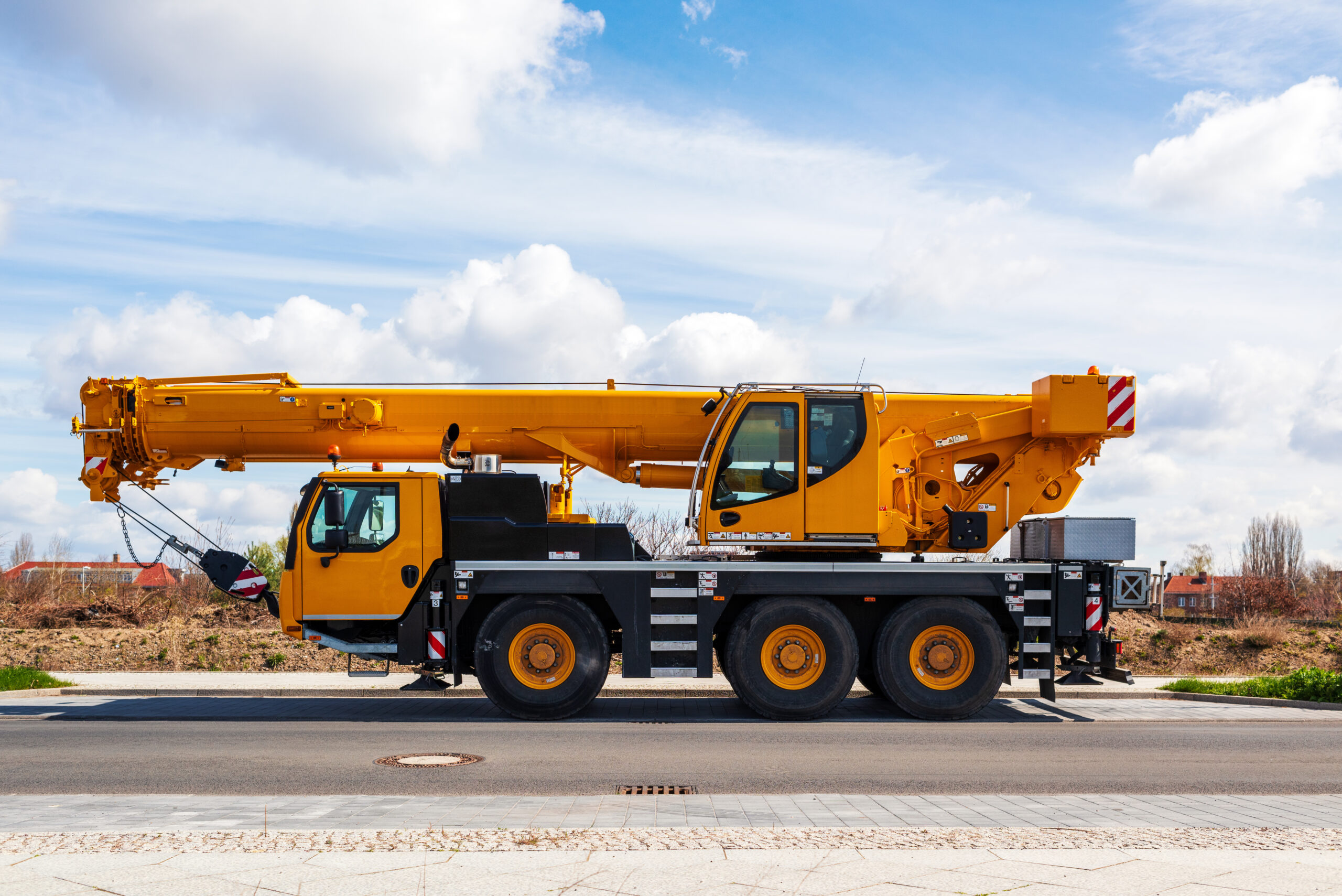
Even the best plan fails if the crane is not in top shape. A professional operator inspects the machine before each shift and after any configuration change. This inspection follows manufacturer guidance and industry standards and helps catch small issues before they affect performance.
- Pre-operational checks: Fluids, filters, belts, and electrical systems are reviewed. The operator looks for leaks, wear, or faults on arrival.
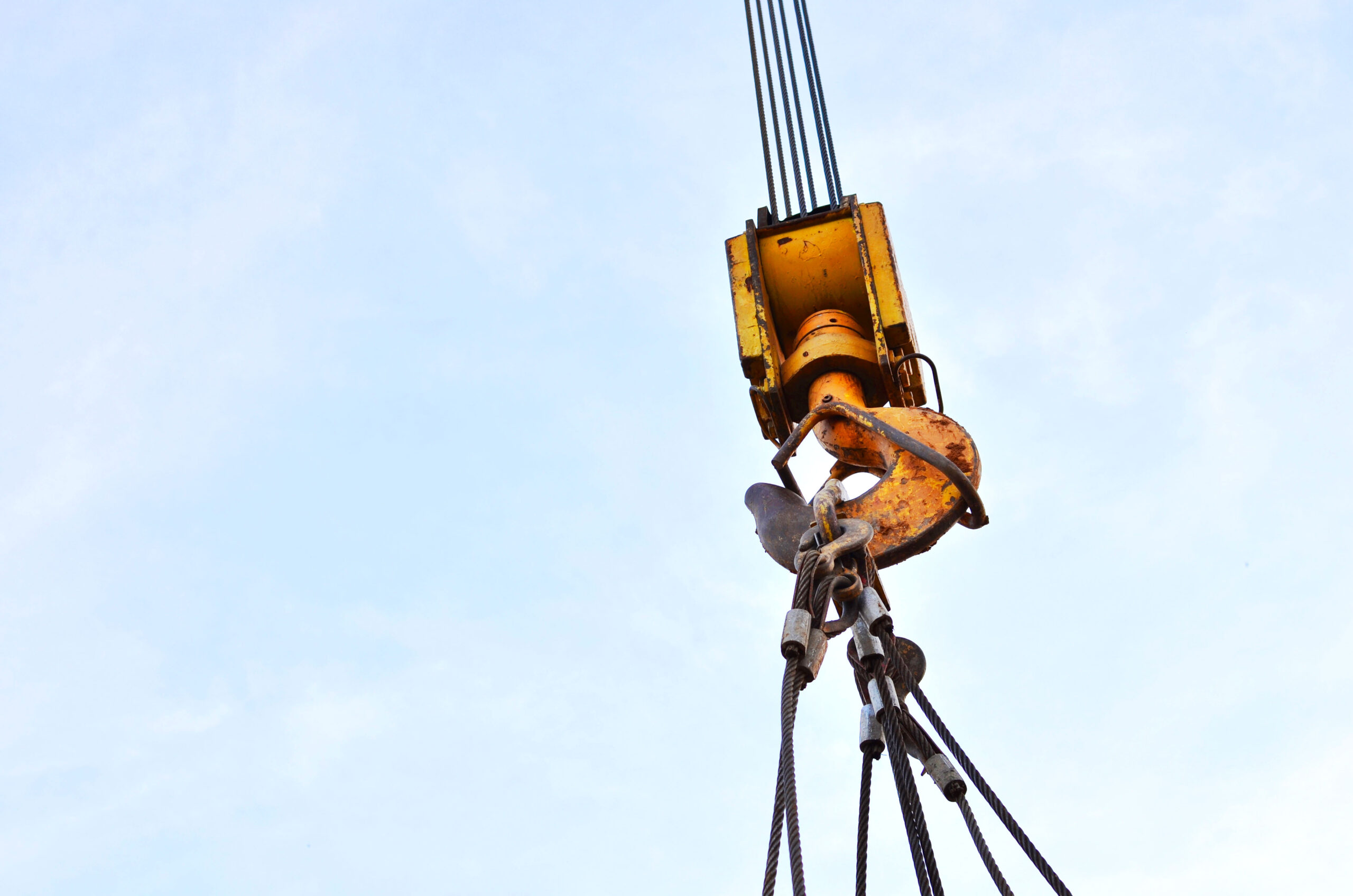
- Wire rope and hook inspection: The hoist rope is checked for kinks, broken wires, flat spots, and proper spooling. Hooks are inspected for throat opening, safety latches, and markings.
- Outriggers and counterweights: The operator confirms the correct counterweight package, outrigger extension, and cribbing. Pads are placed to ensure full contact and load distribution.
- Safety systems: Anti two block, limit switches, load moment indicators, and swing alarms are tested. If the crane has a camera or proximity system, it is checked for function and clarity.
- Controls and gauges: Boom angle, radius readouts, and pressure gauges are verified. The operator confirms that all control motions are smooth and responsive.
- Documentation: Annual inspection records, daily checklists, certifications, and operator credentials are on file and available for review.
This inspection is non-negotiable in our crane operator hire program. American Erecting & Ironworks prioritizes preventive maintenance and detailed pre-lift checks so your schedule is not derailed by avoidable downtime.
4. Weather, Communication, and Safety Protocols
Weather and communication plans round out the pre-lift checks. Wind affects capacity and control. Visibility and precipitation affect setup and footing. Clear signals keep the team in sync. A professional operator will confirm that conditions and communications support a safe lift.
- Wind and weather limits: The operator checks wind speed at height, not just at ground level. They compare the reading to the crane chart and rigging plan. Lightning, freezing rain, and low visibility are all reasons to delay.
- Signal person and radios: One qualified signal person is assigned to avoid mixed directions. If radios are used, channels and headsets are tested. Standard hand signals are reviewed.
- Job hazard analysis: The team reviews pinch points, drop zones, and swing areas. Stop work authority is clear. If anyone sees a hazard, the lift pauses until resolved.
- Public and property protection: Sidewalks, parking lots, and adjacent businesses are considered. Barricades, signage, and spotters keep non-workers away from the lift area.
With American Erecting & Ironworks, safety is visible in every step. From wind checks to clear radios, your lift stays controlled and predictable from first pick to final set.
What You Can Do Before the Crane Arrives
Good prep sets up a fast, efficient day. Here is how you can help your crane operator hire team hit the ground running.
- Confirm load weights, dimensions, and pick points. Share drawings or spec sheets with our dispatcher.
- Clear the setup area of vehicles, pallets, and debris. Mark any underground structures or weak pavement.
- Secure permits if required by your city or site. Ask our team if a road closure or sidewalk control is needed.
- Assign a single on-site contact and signal person. Make sure radios are charged and available.
- Schedule other trades to match the lift sequence. Have rigging and set crews ready when the crane arrives.
- Plan weather backups. If wind or lightning delays work, know your next best date or time window.
If you need help with prep, call American Erecting & Ironworks at (262) 637-7177. Our team can advise on pad locations, rigging methods, and permit needs so you avoid surprises on lift day.
Why Choose American Erecting & Ironworks for Crane Operator Hire
American Erecting & Ironworks has delivered safe, on-time crane service since 1991. As a family-owned company in Racine, Wisconsin, we understand local codes, weather patterns, and access challenges across Racine, Kenosha, Milwaukee, and nearby Lake County, Illinois. When you work with us, you get a partner who treats your job like our own.
- Certified operators: Our crew is NCCCO-certified and trained in current safety practices.
- Late-model fleet: We run well-maintained cranes, forklifts, telehandlers, and boom lifts.
- Flexible terms: Equipment rental is available by the day, week, month, or longer to match your schedule.
- Machinery moving: We relocate heavy equipment and can work holidays or weekends to cut downtime.
- Steel sales and erecting: We supply beams and columns in a range of sizes and can set them with our cranes.
- Local and responsive: From our yard at 2108 Clark St, Racine, WI 53403, we mobilize quickly and communicate clearly.
If your scope shifts, we can add forklifts with or without rigger booms, rough terrain telehandlers, or a genie boom lift to keep work moving. Visit AEAIWI.COM to see our services or request a quote.
Common Projects We Support
Crane operator hire covers many tasks across construction, manufacturing, and maintenance. American Erecting & Ironworks supports projects like these every week.
- Rooftop HVAC unit removal and placement
- Steel beam and column setting for commercial builds
- Precast and modular component installation
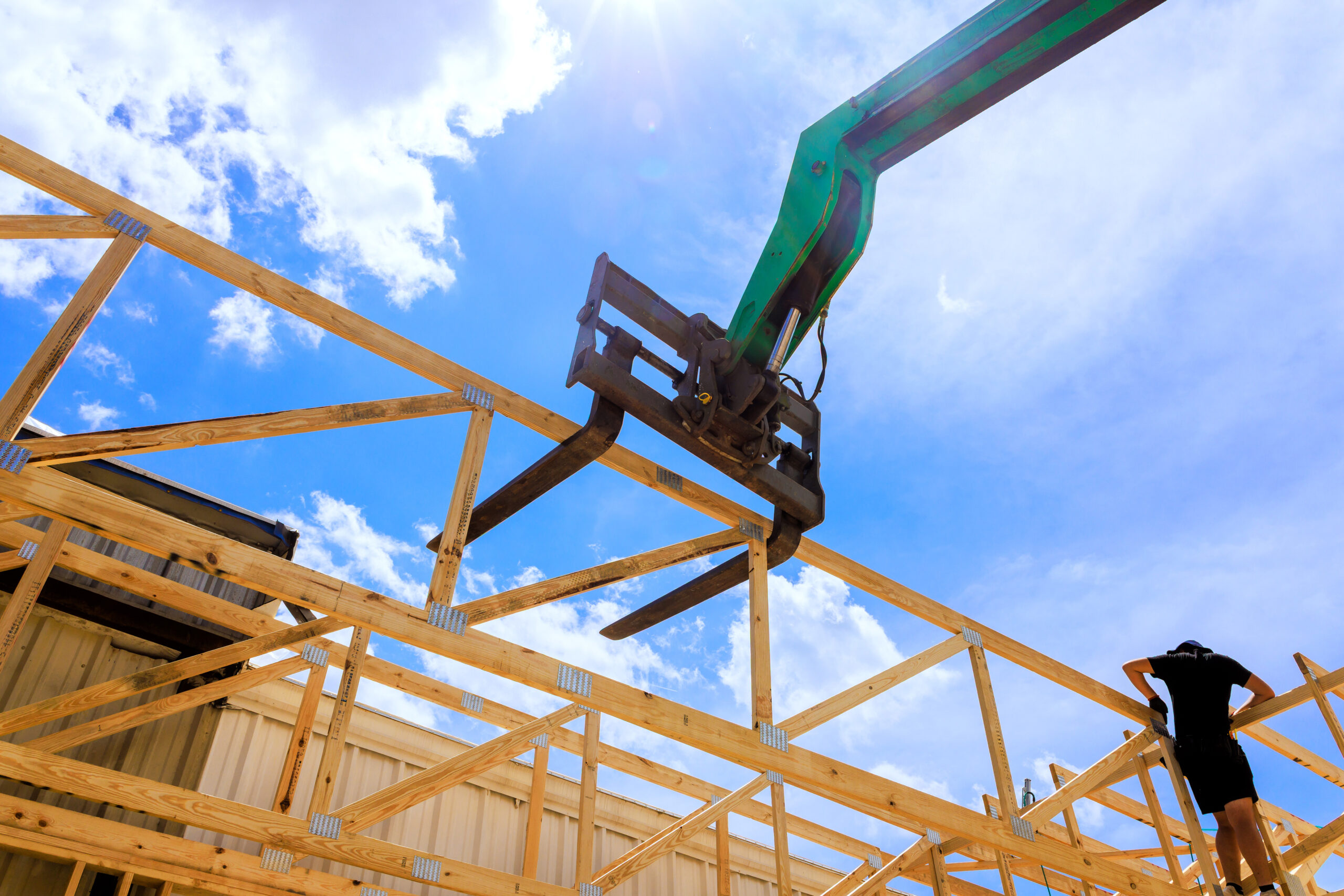
- Truss staging and roof framing support
- Machinery moving and equipment setting
- Signage and lighting pole installation
- Tanks, hoppers, and industrial vessels
- Container placement and site logistics moves
If you are not sure what size crane you need, our team will ask a few questions about weight, radius, and access. We will recommend the right machine and rigging for your site and budget.
FAQs About Crane Operator Hire
How far in advance should I schedule?
For standard picks, a few days is often enough. For complex lifts, road closures, or tandem picks, call one to two weeks ahead. We do our best to accommodate urgent needs, especially for emergency equipment swaps.
What size crane do I need?
It depends on the load weight and the radius from the crane’s center pin to the set point. Share your dimensions and site photos with our dispatcher. American Erecting & Ironworks will run the charts and propose the right setup.
Do you provide rigging?
Yes. We bring standard slings, shackles, and spreader bars as needed. If a specialty spreader or below-the-hook device is required, we will source it and include it in your quote.
Can you work weekends or holidays?
Yes. Our machinery moving and crane service teams can work off-hours to reduce downtime. Let us know your target window so we can plan crew and equipment.
Are permits included?
It depends on the municipality and scope. We will advise on necessary permits for street use, sidewalk closures, or oversize deliveries. If you prefer, we can help coordinate permit applications as part of the plan.
What affects pricing?
Lift price is based on crane size, hours on site, travel, rigging needs, permits, and support vehicles. Sharing accurate load data and site access details helps us right-size the crane and control cost.
How do you handle weather delays?
Safety comes first. If wind or lightning forces a pause, we will reschedule to the next safe window. We work with your team to minimize impact and keep other trades coordinated.
Do you serve Lake County, Illinois?
Yes. In addition to Racine, Kenosha, and Milwaukee counties, we serve parts of Lake County, Illinois. Call (262) 637-7177 to confirm coverage for your address.
Can I rent equipment without an operator?
Yes. American Erecting & Ironworks offers equipment rental for forklifts with or without rigger booms, rough terrain telehandlers, and genie boom lifts. Contracts are available daily, weekly, monthly, or longer.
What safety standards do you follow?
Our operators are NCCCO-certified and follow manufacturer guidelines and industry best practices. We complete daily inspections, maintain clear exclusion zones, and use a single qualified signal person for each lift.
A Quick Pre-Lift Checklist You Can Use
- Confirm load weight, rigging points, and final set location.
- Provide site photos and measurements for access, overhead clearance, and setup pad.
- Clear the setup area and mark underground hazards.
- Assign a signal person and verify radios or hand signals.
- Review the weather window and backup plan with your project team.
Following these steps helps your crane operator hire go smooth and safe. If anything changes the morning of the lift, call us right away so we can adjust the plan.
Partner With a Trusted Local Crane Team
When it comes to crane operator hire, experience and preparation are everything. The four checks in this guide show how a professional keeps your project safe and efficient. American Erecting & Ironworks brings that process to every job along with a reliable fleet, flexible scheduling, and a service mindset shaped by decades of hands-on work.
If you are scheduling a lift in Racine, Kenosha, Milwaukee, or nearby Lake County, Illinois, request a quote today. We will review your scope, size the crane, and outline a clear plan so there are no surprises on site.
Contact American Erecting & Ironworks
Address: 2108 Clark St, Racine, WI 53403
Phone: (262) 637-7177
Hours: Monday through Friday, 7:00 AM to 4:30 PM
Website: AEAIWI.COM
Ready to schedule crane operator hire or need help choosing the right equipment? Call now or visit AEAIWI.COM to request a quote. Our team is here to support your project from the first site check to the final set, with safety and customer satisfaction at the heart of every lift.