
Choosing the Right Crane for Cell Tower Work
Planning a cell tower build, upgrade, or emergency repair starts with one big question: what high-reach crane do I need to get the job done safely and on time? If you are searching for trusted tower crane rental insights and reliable support in southeastern Wisconsin and parts of northern Illinois, American Erecting & Ironworks is here to help. We operate late-model cranes with NCCCO-certified operators and a full support fleet to make complex tower lifts simpler and safer.
Tower crane rental for cell tower projects: discover which high-reach crane you need, compare options, and get expert help. Request a quote today. Get started now.
Every site is different. A 150 foot monopole antenna swap is not the same as stacking sections on a 300 foot self-support tower or lifting a microwave dish in a tight city street. The right crane choice depends on height, radius, weight, access, soil, and schedule. Below, we break down how to pick the best crane and how American Erecting & Ironworks supports you from planning to final pick.
How to Size a Crane for a Cell Tower Project
- Define the lift goal. Are you swapping antennas, installing sector frames, setting a monopole section, or lifting a rooftop cabinet or generator?
- Confirm tower type and height. Know if it is a monopole, self-support lattice, or guyed tower. Note the working elevation.
- List loads and weights. Include antennas, RRUs, mounts, platforms, waveguides, and any tools or tag lines. Add rigging weight and a safety margin.
- Measure radius and obstructions. The radius is the horizontal distance from crane center to the lift point. Note fence lines, buildings, energized lines, and trees.
- Assess ground and access. Check soil conditions, set-up space, slope, underground utilities, and if mats or steel plates are required.
- Plan schedule and outages. Many telecom sites have limited windows. Plan for night or weekend work if that reduces downtime.
- Check weather and wind. Antennas and dishes are wind sensitive. Wind limits often control the day more than weight does.
With this info, we can match a crane to your scope, select boom and jib lengths, and plan transport, rigging, and crew. American Erecting & Ironworks creates lift plans that account for site limits and carrier safety rules, so your work stays on schedule.
The Best Crane Options for Cell Tower Projects
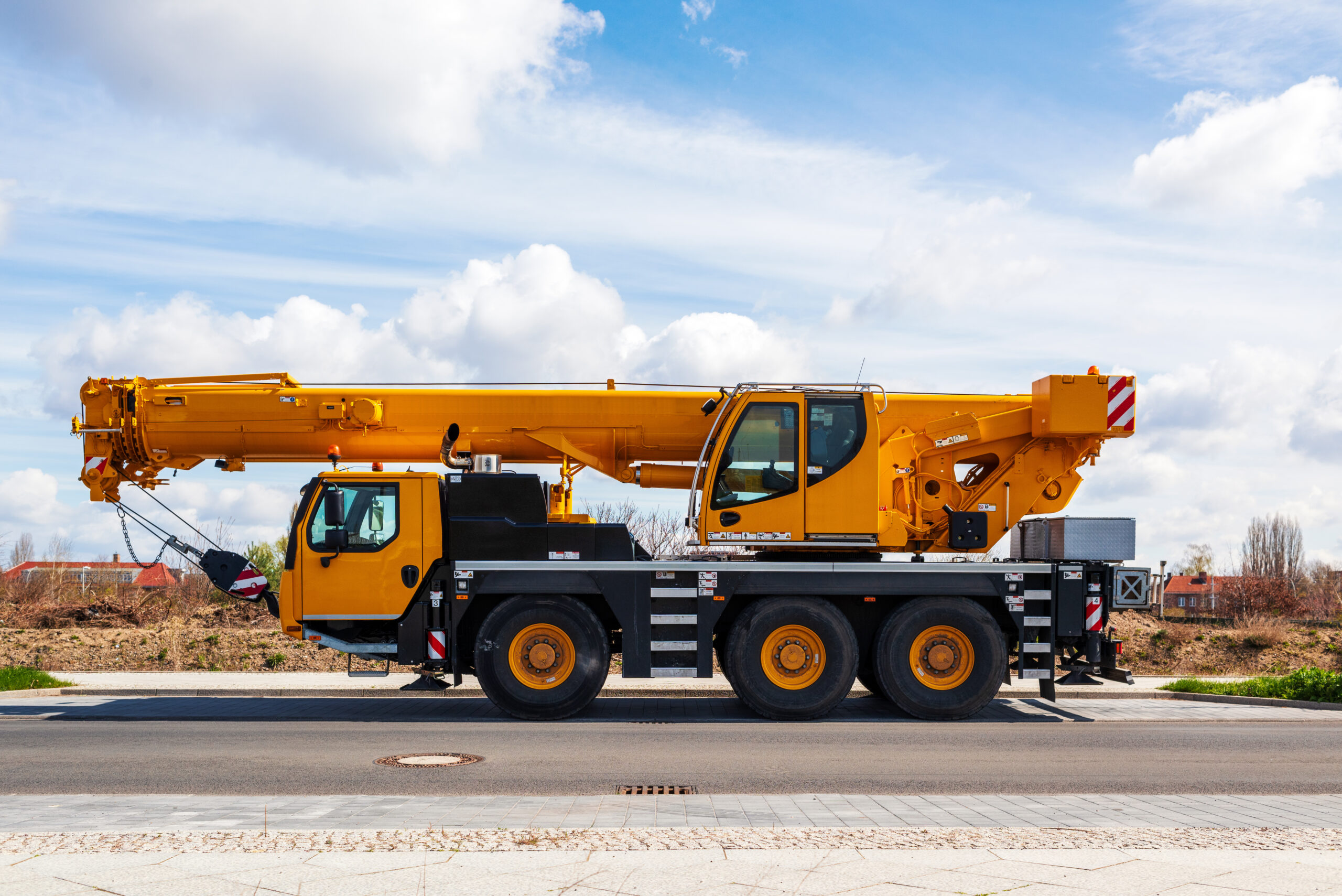
Hydraulic Truck Cranes
Hydraulic truck cranes are fast to mobilize and ideal for many monopole and mid-height lattice tower jobs. Typical applications include antenna and RRU swaps up to about 160 feet, small sector frame lifts, and rooftop equipment moves where street permits are available. They set up quickly, which keeps outage windows short and costs down.
Good fit: urban and suburban sites with decent access and firm ground. Common sizes: 60 to 120 ton with main boom and a short fly jib for extra tip height.
All Terrain Cranes
All terrain cranes offer long main booms, high capacities at radius, and excellent roadability for larger lifts. They are the go-to choice when you need height and reach together, like topping a 250 to 300 foot self-support tower, lifting large microwave dishes at long radius, or working behind buildings that push the crane farther from the base.
Good fit: tall towers, tight setbacks, or heavier picks that outsize truck cranes. Common sizes: 150 to 400 ton with luffing jib to achieve high tip heights while maintaining capacity.
Lattice Boom Crawler Cranes
For long-duration tower builds or soft ground conditions, lattice boom crawler cranes shine. They move under their own power on tracks, spread ground loads well, and can be configured for extreme heights and stable picks. They suit new tower erection or heavy structural lifts where the crane stays on site for multiple days.
Good fit: new builds, rural sites with room for assembly, and soft soils where crawler tracks reduce ground pressure.
Boom Trucks and Knuckle Booms
For lighter, lower elevation work, boom trucks or knuckle boom cranes handle small antenna swaps, short lifts, and material staging. They can be more cost effective than larger cranes for quick maintenance calls and light-duty lifts. Wind can limit these lifts, so we always check the weather and load sail area.
Good fit: low to mid-height maintenance with lighter loads and straightforward access.
Tower Crane Rental in Telecom
Most cell tower projects do not require a fixed tower crane, since mobile cranes can reach the height and radius with less site impact. That said, tower crane rental can make sense for dense downtown projects or co-located building construction where a crane will remain on site for weeks. On long campaigns with many repetitive picks and tight alleys, a tower crane can be efficient. American Erecting & Ironworks can evaluate if a tower crane rental or a mobile crane plan best suits your site, timeline, and budget.
Support Equipment That Saves Time
High-reach crane success often depends on the right support gear. American Erecting & Ironworks provides well-maintained rental equipment that keeps crews moving:
- Forklifts with or without rigger booms for unloading and staging
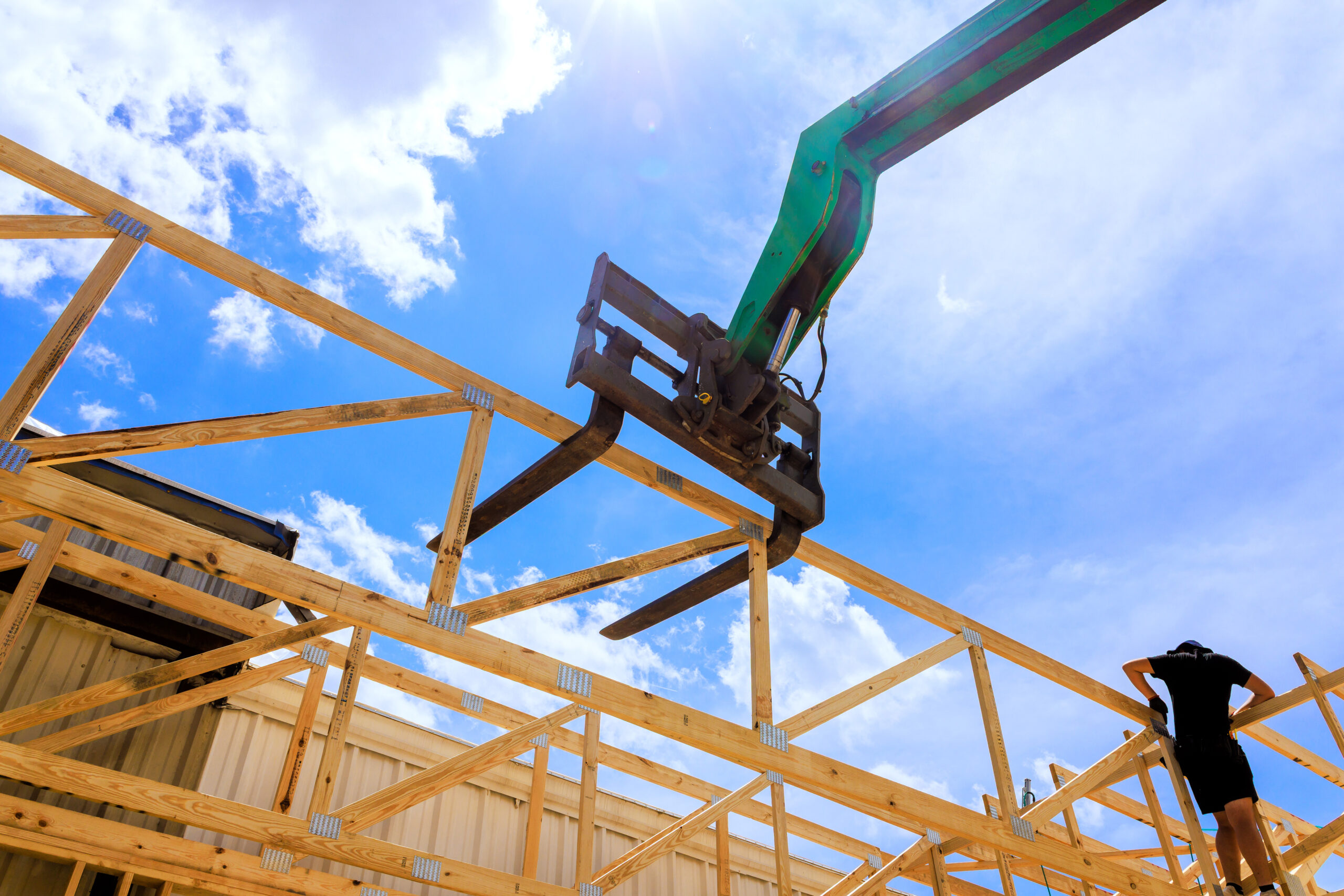
- Rough terrain telehandlers for material handling inside compounds
- Genie boom lifts for safe access to mounts and platforms
Our rental contracts are flexible with daily, weekly, monthly, or extended terms, so you only pay for what you need.
Common Cell Tower Scenarios and Recommended Cranes
150 Foot Monopole Antenna and RRU Swap
Typical loads include 3 to 9 panel antennas at 40 to 90 pounds each, RRUs at 20 to 60 pounds each, sector frames between 800 and 2,000 pounds, and rigging. If we can set the crane within 40 to 60 feet of the base, a 90 to 120 ton hydraulic truck crane with fly jib is often perfect. If setbacks force an 80 to 100 foot radius, step up to a 150 to 200 ton all terrain crane for added capacity at reach. Plan your picks in bundles to reduce hook time and outage duration.
250 Foot Self-Support Tower New Build
For stacking sections and setting platforms at height, an all terrain crane in the 300 to 400 ton range with luffing jib is a strong choice. The jib gives tip height without losing too much chart at radius. Where ground is soft or the project is multi-week, a lattice boom crawler crane can also be efficient. Expect matting, site prep, and more transport. Early planning keeps mobilization smooth and avoids last-minute delays.
400 Foot Guyed Tower Maintenance
Guyed towers often use a gin pole for stacking, but cranes still play a key role for base work, platform changes, and large component swaps near the bottom. For mid to high elevation dish swaps, the sail area drives the crane choice as much as weight. Plan around wind limits, and consider an all terrain crane with luffing jib to position at safe radius while still reaching the target elevation.
Rooftop Macro or Small Cell on a Mid-Rise
City lifts add traffic control, permits, and tight sidewalk setbacks. A 60 to 90 ton hydraulic truck crane can often reach rooftop elevations of 80 to 140 feet with a short fly. Where work will last weeks on a constrained street, a tower crane rental may be an option if building owners and the city approve a longer-term setup. American Erecting & Ironworks handles lift planning and coordinates with your GC, property manager, and city permit office.
Microwave Dish Replacement at 200 Feet
Microwave dishes range from 4 to 12 feet in diameter. A 10 foot dish can weigh 400 to 1,200 pounds, but the real challenge is the wind profile. Even at low weight, a gust can exceed safe limits. An all terrain crane with efficient chart at radius helps work within narrow wind windows. We also plan for tag lines, spotters, and clear communication to keep the dish stable during final alignment.
Safety, Compliance, and Lift Planning
Cell sites demand precise lifts and strict safety culture. American Erecting & Ironworks builds each project around a detailed lift plan, a pre-lift briefing, and qualified crews. Our NCCCO-certified crane operators and experienced riggers follow current standards and site-specific rules.
- Job hazard analysis and site walk-down before set-up
- Load charts, rigging calculations, and radio call protocols
- Wind and weather limits tailored to antennas and dishes
- Ground bearing checks, matting plans, and utility locates
- Traffic control plans for street and sidewalk safety
- RF safety coordination with carriers to prevent exposure
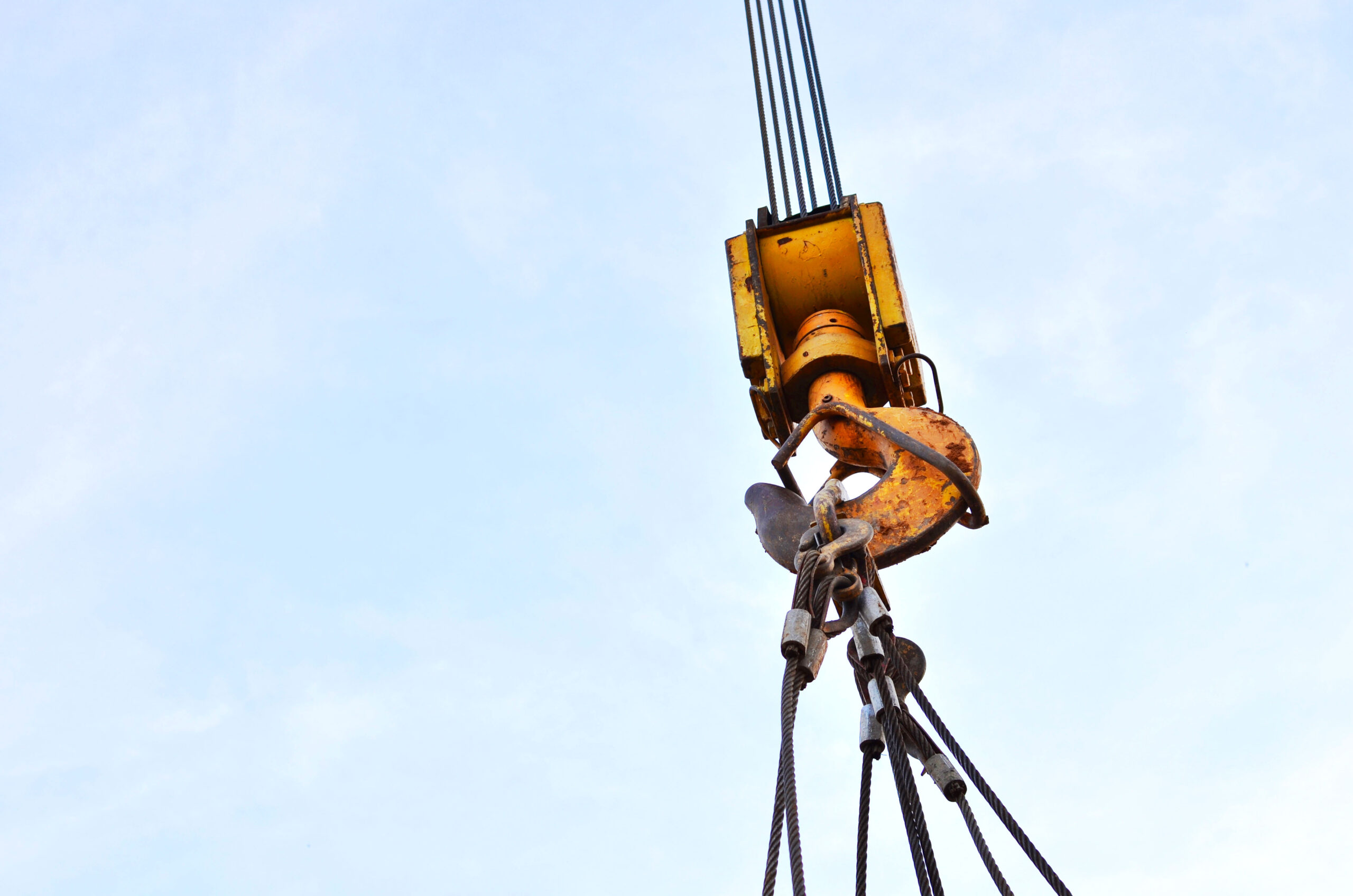
We carry the right rigging for telecom, including spreader bars, softeners, and tag lines. Our team also coordinates with your tower climbers to align procedures and timing.
Cost Factors in Tower Crane Rental and How to Save
The price of a tower crane rental or mobile crane package depends on several variables. Understanding these helps you plan a realistic budget and avoid change orders.
- Crane size and configuration. Larger tonnage and luffing jib packages cost more, but they can reduce time on site.
- Boom and jib length. Extra sections or inserts add cost and assembly time.
- Mobilization and permits. Travel, escorts, city street permits, and traffic control affect price.
- Ground prep and mats. Poor soil or slopes may require extra matting or steel plates.
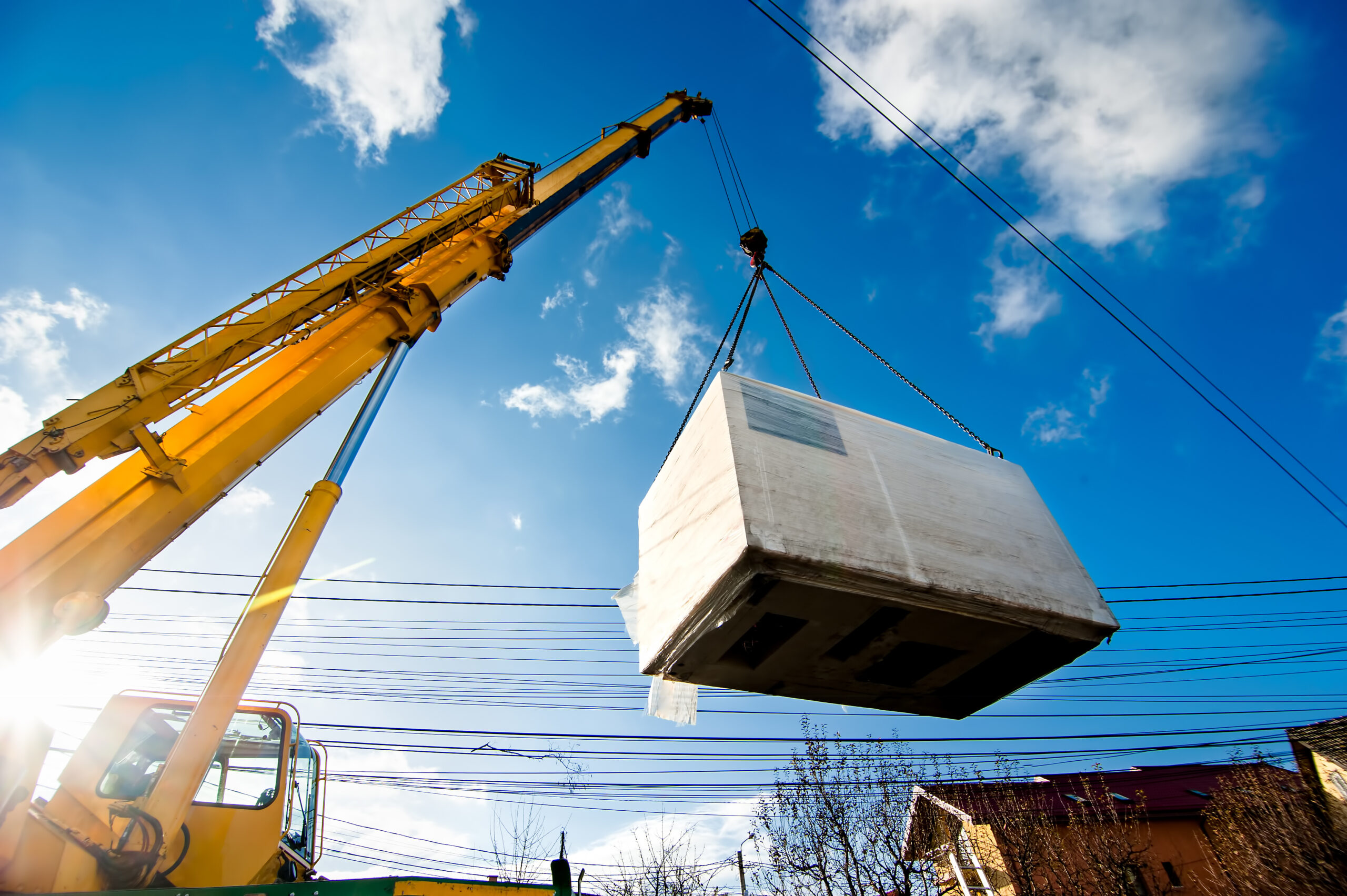
- Rigging and accessories. Spreader bars, man baskets, or specialized rigging increase the total.
- Schedule and overtime. Night, weekend, or holiday work can cost more but may reduce carrier downtime.
- Standby and delays. Weather holds or access issues can add standby time. Good planning reduces this risk.
Ways to save without cutting safety:
- Bundle picks and preassemble frames on the ground where possible.
- Improve access so the crane can set up closer to the base and use a smaller configuration.
- Provide accurate weights and dimensions early to right-size the crane.
- Target off-peak hours to lower traffic control costs.
- Book early to secure the best crane and crew fit for your date.
Why American Erecting & Ironworks
American Erecting & Ironworks is a second-generation, family-owned company based in Racine, Wisconsin. Since 1991, we have supported contractors, builders, and manufacturers across Racine, Kenosha, and Milwaukee counties, and parts of Lake County, Illinois. Our late-model cranes, tractor-trailers, forklifts, and support equipment are maintained to a high standard, and our NCCCO-certified operators bring decades of know-how to every lift.
We tailor services to your schedule, including nights, weekends, and holiday windows to match carrier outages. Our team keeps safety and customer satisfaction at the center of every job.
Services at a Glance
- Crane Services: From HVAC units to heavy structural and telecom work, we plan and execute lifts with precision.
- Equipment Rental: Forklifts with or without rigger booms, rough terrain telehandlers, and genie boom lifts with flexible rental terms.
- Machinery Moving: Safe, efficient relocation of heavy equipment with minimal downtime and scheduling that fits your operation.
- Steel Sales: Beams and columns in a range of sizes for Wisconsin building projects.
Whether you need a quick antenna swap, a new tower build, or a complex urban lift plan, American Erecting & Ironworks brings the right crane, the right crew, and the right plan.
FAQs About Tower Crane Rental for Telecom Projects
Do I need a tower crane or a mobile crane for my cell tower?
Most telecom projects use mobile cranes like hydraulic truck cranes, all terrain cranes, or crawlers. They reach the necessary height and radius with less site impact and faster setup. Tower crane rental can be a fit for long, repetitive lifts in tight city cores or when a crane must remain on site for weeks. We will compare both and recommend the best value for your job.
How far in advance should I schedule?
Two to four weeks is ideal for standard lifts. For larger all terrain or crawler configurations, and for city permits, plan four to six weeks. Emergency work is available. Call and we will mobilize as fast as possible.
Can you work at night or on weekends?
Yes. American Erecting & Ironworks accommodates night and weekend windows to reduce network downtime. Our crews are used to tight outage schedules and carrier rules.
What documents do you provide?
We provide lift plans, operator certifications, insurance certificates, equipment data sheets, and, if needed, traffic control plans. We coordinate with your safety team and tower crew lead before the lift.
What about ground bearing and matting?
We evaluate soil and space during planning. If mats or plates are needed, we include them in the plan and quote so there are no surprises when we arrive.
Do you supply rigging and tag lines?
Yes. We bring the rigging required for your picks, including spreader bars, softeners, slings, and tag lines suited to antennas and dishes.
Are your operators certified?
Our crane operators are NCCCO-certified and follow strict safety standards. We perform pre-lift briefings and enforce radio protocols for clear communication.
Get a Quote and Schedule Your Lift
If you are planning a tower crane rental or mobile crane lift for a cell tower, talk to American Erecting & Ironworks. We will review your scope, run the numbers, and match the best crane to your site, timeline, and budget. Request a quote today. Get started now.
American Erecting & Ironworks
Address: 2108 Clark St, Racine, WI 53403
Phone: (262) 637-7177
Hours: Monday through Friday, 7:00 AM to 4:30 PM
Service Area: Racine, Kenosha, and Milwaukee counties, plus parts of Lake County, Illinois
Learn more and request your quote at AEAIWI.COM. Our team is ready to help you choose the right high-reach crane and execute your lift with safety and confidence.