Move Mulch Faster in Tight Spaces With Mini Skids
Mini skids make moving mulch through small gates easy. This guide covers smart planning, the right tools, and proven setups that keep your lawn tidy and your project on schedule. Whether you are spreading a few yards around flower beds or refreshing a full backyard, you will learn how to handle tight access, speed up trips, and avoid damage. If your gate or path is too narrow for larger machines, mini skids and a good workflow are the key. For bigger lifts or special access challenges, American Erecting & Ironworks in Racine, Wisconsin can support your project with safe, professional equipment services.
Why Small Gates Slow You Down
Most backyard gates range from 32 to 48 inches wide. That sounds workable until you add the width of hinges, latches, and posts that can shave off a few inches. Tight corners, slopes, and soft turf also make it harder to steer wheelbarrows and larger equipment. The result is more trips, more ruts, and more time. Mini skids help because they are compact and strong, yet gentle on lawns when paired with tracks or mats. With the right setup, you can move mulch quickly without tearing up your yard.
Measure First so the Equipment Fits
Gate and Path Checklist
- Measure the narrowest point of the gate opening. Check between posts and also account for hinges and latches.
- Measure the path from driveway to beds. Note pinch points, deck stairs, air conditioner pads, and tight corners.
- Measure slope. Steep slopes call for extra traction and cautious travel with lighter loads.
- Check overhead clearances near eaves, tree branches, and cables.
- Plan turn-around spots. Mini skids need room to pivot, and wheelbarrows need safe places to stop and reset.
How Much Mulch Do You Need
Use this simple formula to estimate mulch volume in cubic yards. Multiply the length by the width of the area in feet, then multiply by depth in feet, and divide by 27. As a guide, 3 inches is common for new beds, 2 inches for a refresh, and 4 inches for weed control in tough spots. For example, a 20 by 30 foot area at 3 inches deep is 20 x 30 x 0.25 / 27, which equals about 5.6 cubic yards. Round up a little to cover settling and edges. Fresh mulch can weigh 400 to 800 pounds per yard depending on moisture, so efficient hauling and staging will save a lot of effort.
Choosing Equipment That Works in a Small Gate
Mini Skids 101
Mini skids are compact stand-on loaders that fit where larger skid steers cannot. Many models are between 36 and 42 inches wide, which means they can squeeze through common residential gates with care. Some have narrow track kits that help in very tight spaces. Tracks spread the machine’s weight to protect grass and improve traction on slopes. Wheels work too, but they may rut wet lawns, so plan to use plywood or composite ground protection mats when the ground is soft.
Mini skids accept small buckets and other attachments. For mulch, a general purpose bucket or light material bucket is perfect. Bucket sizes vary, but many hold around 3 to 6 cubic feet. That equals 0.11 to 0.22 cubic yards per load. If you have 5 yards to move and your bucket carries 0.15 yards per trip, expect around 34 runs. A good operator and a clean path can complete that in a short afternoon.
Mini skids need a firm path. Lay down plywood sheets to bridge soft soil and protect turf. Keep a gentle speed, keep loads low, and avoid pivoting in place on grass. If your gate is 36 inches and the machine is also 36 inches, remove the latch or a fence picket to gain a little clearance. Measure twice before you rent.
Alternatives When Mini Skids Are Not Available
- Wheelbarrows and yard carts. Still effective for smaller projects, especially if you stage mulch close to the gate.
- Garden tractor with trailer. Useful in larger yards if a route is available from the driveway to the gate.
- Mulch sleds and tarps. Drag small loads over grass with low friction. Great for tight corners.
- Buckets and totes. Handy for areas that are delicate or inside garden beds, especially near fragile plants.
- Temporary panel removal. Take off one fence panel to widen access. Reinstall after delivery and spreading.
When to Use a Crane or Telehandler
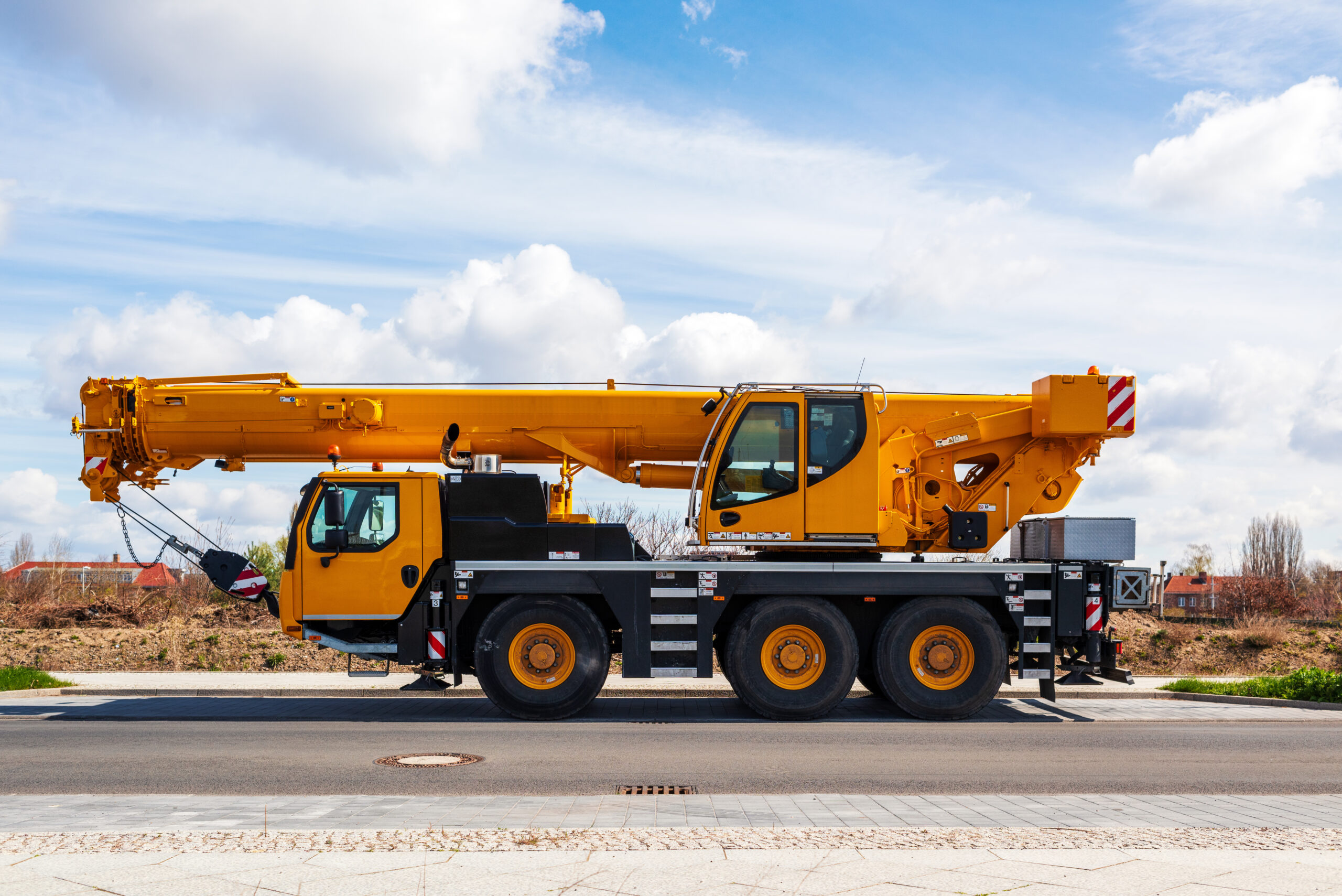
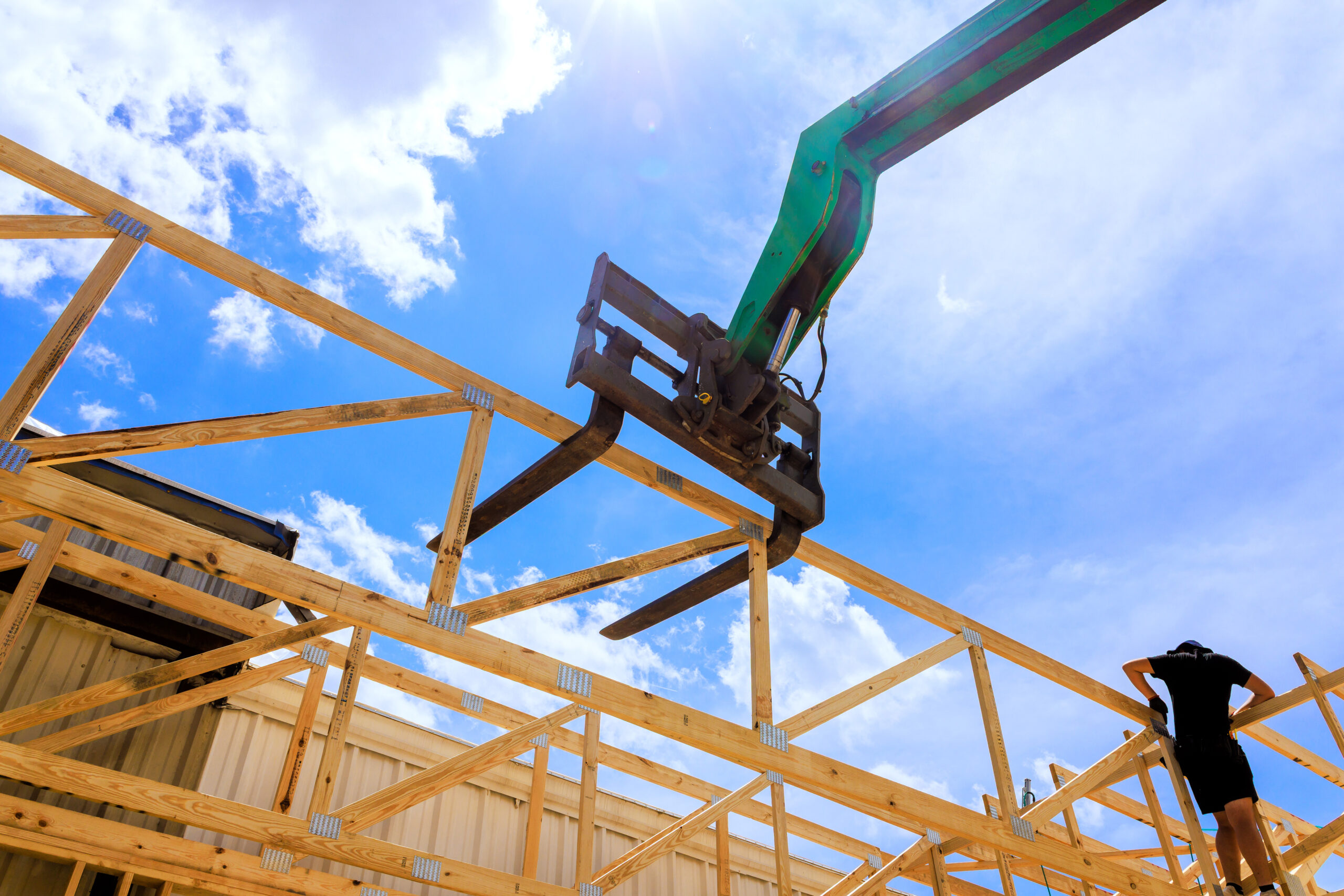
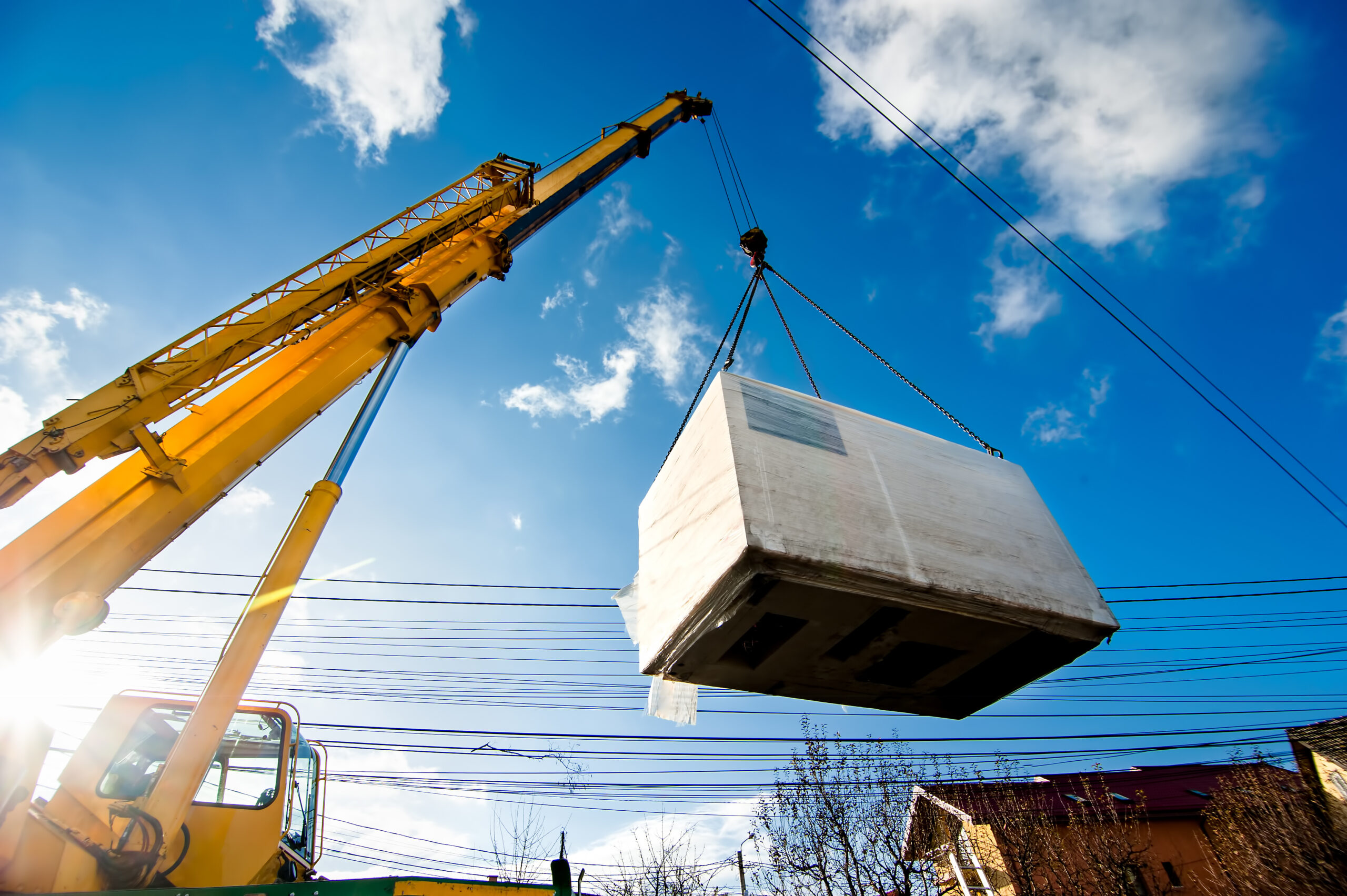
If your gate is too narrow or your hardscape makes access impossible, lifting bulk bags over a fence can save time. A crane or telehandler can place super sacks or pallets close to the final spread areas. American Erecting & Ironworks provides crane services for contractors and homeowners who need safe lifts into tight backyards. Their NCCCO certified operators handle HVAC units, steel, and heavy loads every day, and they apply the same safety focus to material placement. Schedule a lift when your mulch delivery arrives so the team can place bags or bins precisely where you need them.
Set Up Your Jobsite for Speed and Safety
Staging and Workflow
- Pick a delivery spot near the gate. Shorten the pushing or driving distance as much as possible.
- Lay 3/4 inch plywood or ground protection mats from the driveway to and through the gate. Overlap seams for a smooth path.
- Create a one-way travel loop to reduce backups. Use the widest turns available to protect turf.
- Open the gate fully and secure it. Remove the latch if it sticks into the path.
- Cover edges of pavers and steps with plywood to prevent chipping.
- Stage extra tarps and rakes near beds to speed final spreading.
- Keep pets and kids inside. Place cones or a sign to alert neighbors of moving equipment.
- If you plan any digging for edging, call 811 before you start to mark utilities.
Protecting Lawns and Hardscape
Plywood is your best friend for soft lawns and tight turns. Place sheets at corners where machines tend to pivot. Use rubber mats on pavers to prevent scratches. If the ground is wet, reduce bucket size and add extra mats. Sweep or blow off hard surfaces before you start so mulch does not mix with gravel or sand.
Noise and Neighbor-Friendly Tips
Run mini skids during daytime hours and give your neighbors a heads up. Keep the path clear of tools that might clatter under tracks. Plan a quick lunch break when deliveries are scheduled. Have a broom or blower ready to clean any mulch that spills outside the work area.
Step by Step: Moving Mulch Through a Small Gate With Mini Skids
- Confirm clearance. Measure the gate opening and machine width. Remove the latch or a picket if needed.
- Build the path. Lay plywood from the street to the beds. Add a sheet just beyond the gate for turning.
- Stage mulch. Place the bulk pile close to the gate. Keep at least one machine length of space for loading.
- Load right. Keep the bucket low and centered. Do not overload. Heavier wet mulch calls for smaller scoops.
- Travel slow. Keep loads low to the ground for stability. Use smooth, gentle steering.
- Turn wide. Avoid pivot turns on turf. Make slow, arcing turns with both tracks moving.
- Dump smart. Stop a few feet short of the bed edge, then feather the bucket as you move forward for even placement.
- Final spread. Rake to a consistent depth. Keep mulch away from tree trunks by a few inches to prevent rot.
- Clean as you go. Sweep hardscape and edges after each section so small spills do not build up.
- Wrap up. Pull mats, fill minor ruts with topsoil, and water the lawn lightly to help it recover.
Tips for Tight Turns and Slopes
Use the longest possible arc when turning, even if it means a slightly longer path. Add an extra sheet of plywood at the corner to protect grass. On slopes, keep the bucket facing uphill when possible, travel straight rather than diagonally, and reduce load size. If the slope feels unsafe, switch to wheelbarrows for that section. When in doubt, slow down and spot each other. Good communication prevents ruts and keeps the day smooth.
Mulch Quality and Weather Considerations
Mulch that is slightly damp is easier to scoop and stays put in beds. Very wet mulch is heavy and can clump in the bucket. If rain is in the forecast, cover the pile with a tarp and tuck the edges so water sheds off. On hot days, work early to protect your lawn and reduce machine heat. Keep a water jug and take breaks. Dry mulch creates dust, so a light mist from a garden hose can settle it before moving.
Budget and Timeline
DIY With Mini Skids
Plan your rental around delivery timing to avoid idle hours. A small backyard refresh of 3 to 6 yards often takes a few hours with a mini skid, plywood mats, and one helper to rake. Expect to make dozens of quick trips rather than a handful of heavy runs. The steady pace protects grass and keeps you safe. Always review the rental company’s training and safety guidelines. Wear boots, gloves, eye protection, and hearing protection.
Hire Help or Add Specialized Equipment
Large projects with limited access can benefit from professional support. If you need to place bulk bags over a tall fence or onto a patio, consider a crane or a rough terrain telehandler. American Erecting & Ironworks offers reliable crane services, plus equipment rentals like forklifts with or without rigger booms, rough terrain telehandlers, and genie boom lifts. They schedule daily, weekly, monthly, or extended rental terms, and they understand how to minimize downtime and protect your property. The team can coordinate Saturday or holiday support when needed by your project plan.
Why Choose American Erecting & Ironworks
American Erecting & Ironworks is a second generation, family owned company in Racine, Wisconsin. Since their incorporation on April 15, 1991, they have served Racine, Kenosha, and Milwaukee counties, as well as parts of Lake County, Illinois. Their fleet of late model cranes, tractor trailers, forklifts, and specialized gear supports crane services, machinery moving, and steel erecting. Their NCCCO certified crane operators follow strict safety standards and deliver precise lifts on busy job sites and residential properties. If your backyard mulch project needs a creative access plan, like lifting super sacks into a tight yard or placing pallets on a deck, their team can help you plan and execute safely.
Beyond crane services, American Erecting & Ironworks provides flexible rental options for forklifts, rough terrain telehandlers, and genie boom lifts. Contracts are available daily, weekly, monthly, or long term. They also supply steel beams and columns for building projects within Wisconsin. Their machinery moving crews work around your schedule, including holiday and weekend hours, to keep your operations running with less downtime. It is the same focus they bring to residential support, where careful planning and property protection matter.
To learn more, visit AEAIWI.COM, call (262) 637-7177, or stop by 2108 Clark St, Racine, WI 53403. Office hours are Monday through Friday, 7:00 AM to 4:30 PM. Ask how American Erecting & Ironworks can help with a safe backyard lift, schedule a rental, or coordinate with your landscape contractor for a smooth, on time mulch installation.
Frequently Asked Questions
- What is the best tool for moving mulch through a small gate: Mini skids are often the fastest and most lawn friendly option for tight access, especially with tracks and plywood mats.
- Can a mini skid fit through a 36 inch gate: Many mini skids are about 36 to 42 inches wide. Measure both the machine and the true gate opening, and remove a latch or picket if needed.
- How many trips will I make with a mini skid: A common bucket holds 3 to 6 cubic feet. For 5 yards of mulch, plan on roughly 30 to 45 trips depending on bucket size and mulch moisture.
- Will a mini skid damage my lawn: Tracks help spread weight and reduce rutting. Use plywood at turns and when soil is soft. Keep turns wide and loads smaller on wet days.
- Is it worth lifting bags over the fence: If access is tight or the yard is fragile, a crane or telehandler can place bulk bags near beds and cut total labor. American Erecting & Ironworks can plan this safely.
- What depth of mulch should I use: Two inches for refresh, three inches for new beds, and four inches for weed control in tough spots. Keep mulch off tree trunks by a few inches.
- How do I keep the area clean during the job: Stage brooms, blowers, and tarps. Clean as you go so small spills do not spread. Secure the gate and set a one way path to reduce tracking.
- Who can help with specialized equipment: Contact American Erecting & Ironworks at AEAIWI.COM for crane services, telehandler or forklift rentals, and safe, certified operators.
Get Started Today
Measure your gate and path, plan a solid route, and choose the right tools. Mini skids, plywood mats, and smart staging can turn a tricky backyard into an easy work zone. If your project calls for a lift over a fence or precise placement near fragile spaces, partner with American Erecting & Ironworks for a safe and efficient solution. Call (262) 637-7177, visit AEAIWI.COM, or stop by 2108 Clark St, Racine, WI 53403, Monday through Friday from 7:00 AM to 4:30 PM. Set your plan, bring in the mulch, and enjoy a fresh, finished yard with less hassle.