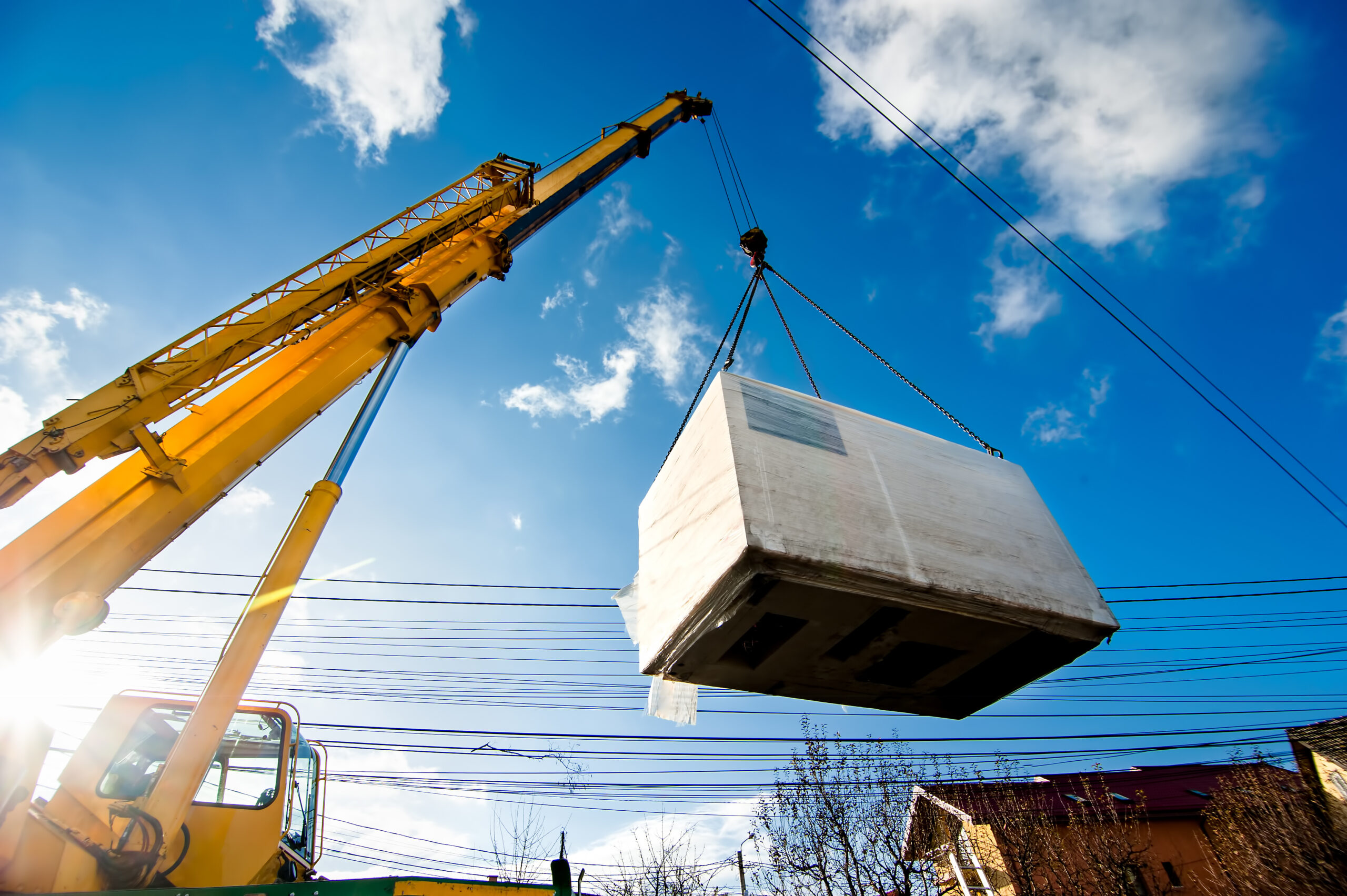
Why Choosing the Right Crane Matters for Rooftop HVAC Lifts
Placing or replacing a rooftop HVAC unit looks simple from the ground. A crane arrives, the load goes up, and the job is done. In reality, the crane you choose shapes everything from safety to schedule to total cost. The wrong crane can slow down your crew, strain the roof, or trigger street closures you did not plan for. The right crane completes the lift smoothly and keeps your team and the public safe. At American Erecting & Ironworks in Racine, our hvac crane services are built around careful planning, modern equipment, and experienced operators who lift heavy rooftop units every week across Racine, Kenosha, Milwaukee, and parts of Lake County, Illinois.
Quick Answer: Which Crane Fits Common HVAC Scenarios?
- Small rooftop units under 2,000 pounds with short radius: A small to mid-size truck crane or a compact all-terrain crane often works well if access is open.
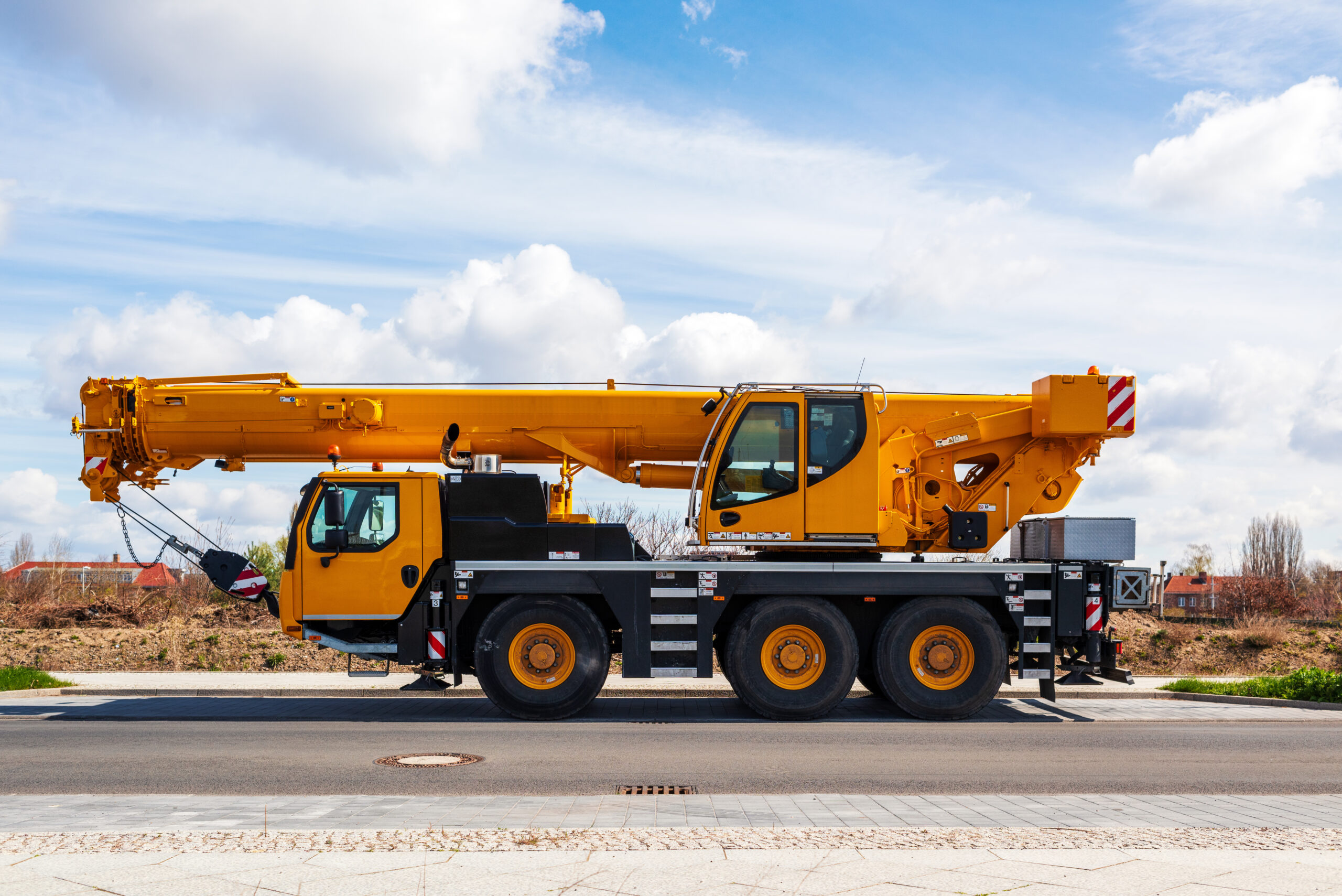
- Mid-size units from 2,000 to 10,000 pounds with moderate radius: A 60 to 90 ton truck or all-terrain crane is a common choice for commercial rooftops.
- Large units over 10,000 pounds or long radius over 120 feet: A larger all-terrain crane with higher chart capacity and longer boom is typically needed.
- Tight downtown sites with alley access: A compact all-terrain crane or a hydraulic truck crane paired with street control can fit narrow spaces.
- Rough or unpaved job sites: A rough-terrain crane may set up on uneven or gravel surfaces with proper matting.
- Very long reach over tall buildings: A high-capacity all-terrain crane with luffing jib may be required. Expect added planning for permits and closures.
- Winter lifts in Wisconsin: Use cranes with cold weather packages and allow extra time for setup, matting, and de-icing. American Erecting & Ironworks schedules winter lifts regularly and plans for weather.
How to Size the Crane: 5 Key Factors
Selecting the right crane starts with five basics. When you call American Erecting & Ironworks, we walk through each one so you know the plan before the crane rolls.
1. Unit Weight and Rigging Load
Know the exact weight of the HVAC unit, curb adapter, and any accessories. Add the rigging weight from slings, shackles, and spreader bars. Your total pick weight is what the crane must lift at the planned radius. Our team verifies model numbers and submittals to confirm the true weight and selects rigging that keeps the unit level and protects the casing.
2. Radius From Crane Center to Set Point
The longer the radius, the smaller the crane’s capacity. Even a light unit can require a large crane if you need to reach far across a roof. We measure from the crane center pin to the final set location, not just to the building edge. A few extra feet of radius can change the required crane size, so accurate site measurements are important.
3. Lift Height and Obstacles
Height affects boom length and jib choice. Add the building height, parapet, and the height needed to clear obstacles like trees or power lines. If the boom needs to reach over penthouses or equipment, we plan for a taller lift and check clearance. We can provide engineered lift plans for complex roofs to keep everyone aligned.
4. Site Access and Ground Bearing Pressure
Access drives crane setup. We evaluate pavement, alleys, slopes, and underground utilities. Cranes apply high forces to the ground through outriggers. We often use steel mats or timbers to spread loads. If the site is tight, we may use a compact crane or stage from a nearby lot with street closures. American Erecting & Ironworks coordinates with the city and utilities to reduce surprises on lift day.
5. Safety Margin and Weather Conditions
Crane charts assume ideal conditions. We add safety margin for wind, cold, and rigging angles. Most HVAC lifts pause above 20 to 25 mph wind, depending on the load and sail area. Winter brings ice and snow that add weight and reduce traction. Our NCCCO certified operators watch the weather and will reschedule if conditions are unsafe.
Types of Cranes Used in HVAC Crane Services
- Hydraulic Truck Cranes: Fast to mobilize on roads with strong lifting power for many commercial HVAC lifts. Great for sites with good pavement and quick setup needs.
- All-Terrain Cranes: Strong capacity with better off-road mobility. Useful for long radius rooftop picks, downtown sites, or mixed pavement and gravel access.
- Rough-Terrain Cranes: Ideal for yard or construction sites where surfaces are uneven. Needs transport to site but offers stable performance with outriggers and mats.
- Crawler Cranes: Excellent for very heavy loads and poor ground, though less common for HVAC work. Used when extreme capacity or reach is required.
- Carry Deck and Industrial Cranes: Handy inside plants or for short moves to staging areas, often paired with forklifts to shuttle components before the main lift.
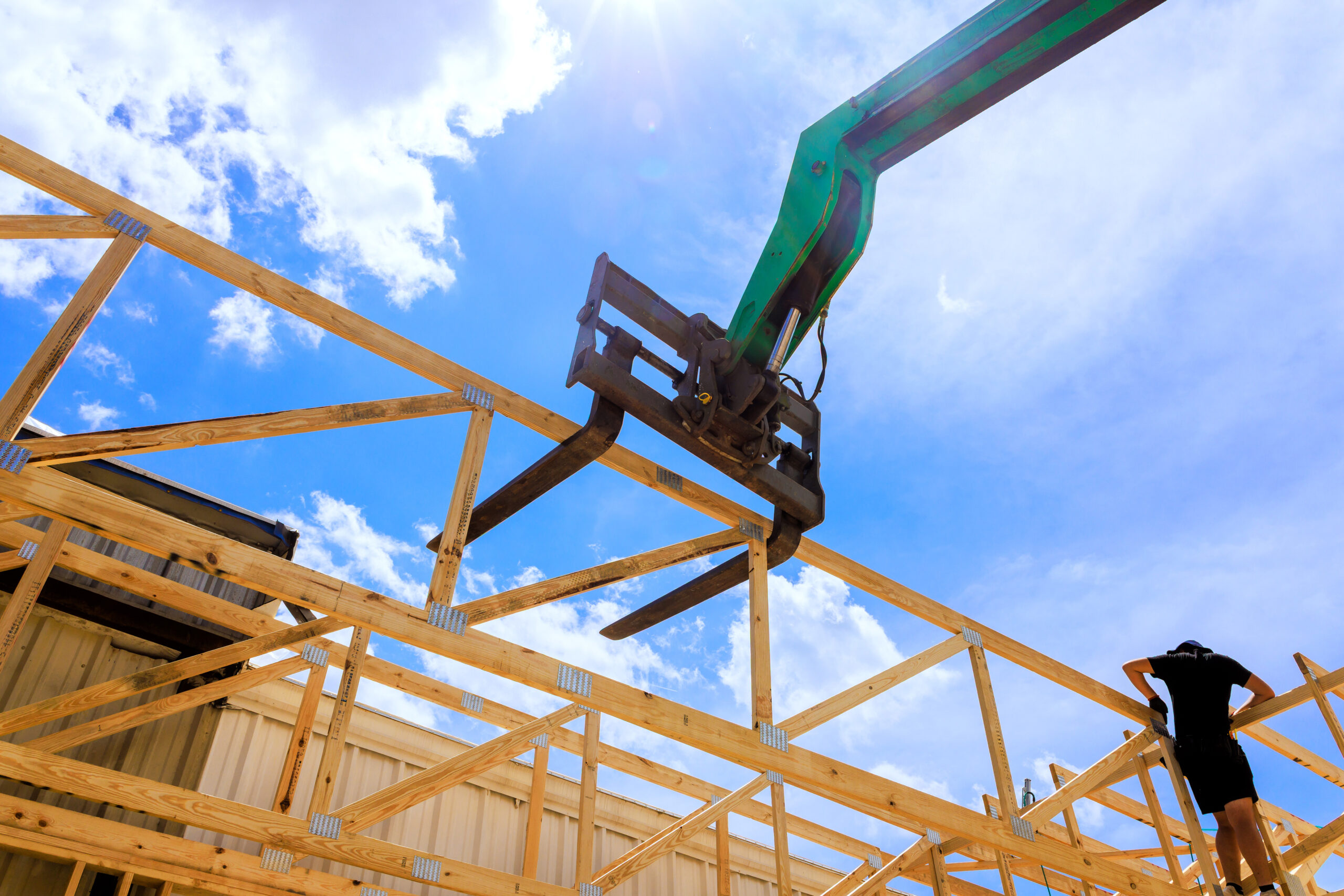
- Support Equipment: Forklifts with rigger booms, telehandlers, and boom lifts support staging, rigging, and rooftop access. American Erecting & Ironworks rents this equipment and can bundle it into your project plan.
Rigging Essentials for Rooftop HVAC Units
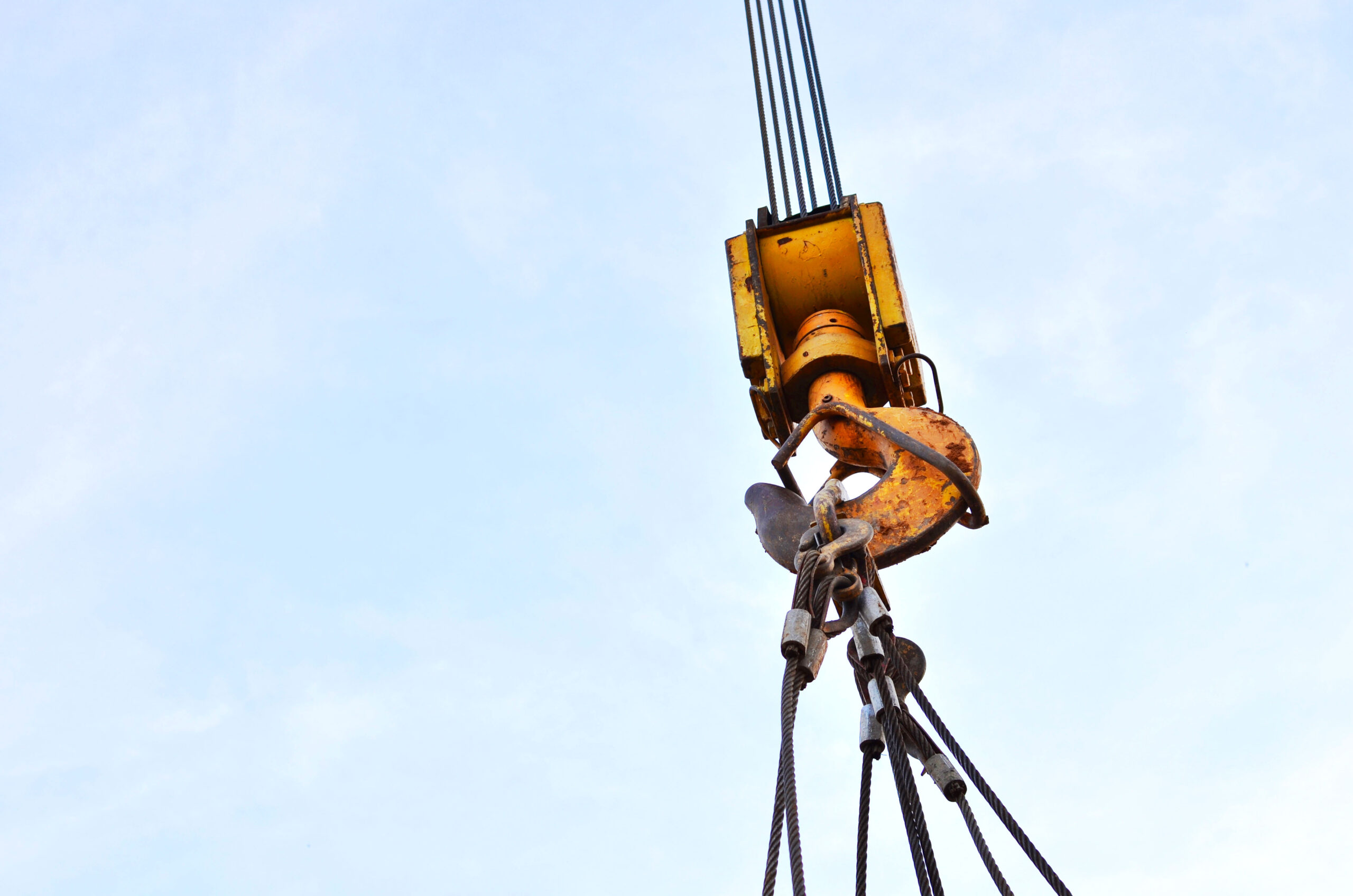
Rigging keeps your unit level and your casing intact. Poor rigging can bend panels or shift center of gravity. Our riggers choose the right gear for each model and curb.
- Spreader Bars and Lifting Beams: Help maintain level lifts and protect top panels from sling pressure.
- Proper Sling Angles: We target sling angles that keep loads within rated capacity and avoid side loading.
- Balanced Pick Points: We use manufacturer lift lugs or engineered pick points and verify center of gravity before hoisting.
- Taglines: Control rotation in wind and guide the unit onto the curb without contact damage.
- Communication Plan: Radios and hand signals keep everyone in sync from ground to roof.
Permits, Streets, and Building Checks in Wisconsin
Many rooftop HVAC lifts need permits or approvals. American Erecting & Ironworks helps you navigate local rules in Racine, Kenosha, Milwaukee, and nearby communities, as well as Lake County, Illinois.
- Street and Sidewalk Closures: Cities often require a permit and traffic control plans when a crane or support truck uses the right of way. Apply early to secure your date.
- Utility Locates and Overhead Lines: We coordinate Diggers Hotline or local utility locates and plan safe clearances around power lines.
- Roof Structure Review: Confirm the roof can handle the unit and any temporary loads. A structural engineer may need to approve the plan or specify temporary shoring.
- Crane Setup Space: Measure clearances for outriggers, counterweights, and swing radius. We plan for pedestrian and vehicle detours when needed.
- Site Logistics: Schedule deliveries, staging, and waste removal so the crane time is used efficiently. Our team can handle trucking with our tractor-trailers.
Safety Checklist for Lift Day
Every lift is a safety operation first. Our NCCCO certified operators and riggers follow a clear process to protect people and property.
- Pre-Lift Meeting: Review the lift plan, roles, radio channels, weather, and stop-work criteria.
- Equipment Inspection: Daily crane and rigging inspections signed and documented.
- Setup and Matting: Level the crane, set outriggers on proper mats, and verify ground bearing capacity.
- Taglines and Rigging: Confirm sling ratings, angles, shackles, spreaders, and softeners for edges.
- Test Lift: Lift a few inches to verify balance, clearances, and communication.
- Exclusion Zone: Barricade swing radius and roof edges. Assign a dedicated signal person.
- Weather Watch: Track wind speeds and visibility. Pause if conditions exceed limits.
- Post-Lift Check: Inspect curb seals, hardware, and fasteners. Secure the site for reopening.
Cost of HVAC Crane Services and How to Budget
HVAC lift pricing depends on crane size, hours on site, permits, support equipment, and travel. A thoughtful plan keeps costs predictable and reduces standby time.
- Crane Size and Capacity: Larger cranes cost more per hour but may save time if radius is long or the load is heavy.
- Duration on Site: Time includes setup, test lift, actual picks, and teardown. Efficient staging reduces hours billed.
- Permits and Traffic Control: City permits, police or flaggers, and barricades add to the budget. We can coordinate these items.
- Support Equipment: Forklifts, telehandlers, and boom lifts help with staging and roof access. Ask about rental bundles from American Erecting & Ironworks.
- Travel and Mobilization: Distance to the site and transport for counterweights affect total cost.
- After-Hours or Weekend Work: Nights, weekends, or holidays can reduce street impact and downtime. Our team offers flexible scheduling to meet your needs.
Many standard rooftop HVAC swaps fit into a single crane day with a mid-size all-terrain crane. Complex lifts with long reach, multiple picks, or downtown closures take more planning and budget. We will review your scope and provide a clear quote so you can schedule with confidence.
How American Erecting & Ironworks Makes HVAC Lifts Easier
American Erecting & Ironworks is a second-generation, family-owned company based in Racine, Wisconsin. Since 1991, our team has supported contractors, builders, and manufacturers with hvac crane services, machinery moving, and steel erecting. We serve Racine, Kenosha, and Milwaukee counties, plus parts of Lake County, Illinois. Our fleet includes late-model cranes, tractor-trailers, forklifts, telehandlers, and boom lifts. Every crane operator is NCCCO certified. Our focus is safety, clear communication, and on-time performance.
- End-to-End Planning: Site walk, lift plan, permits, logistics, and schedule in one place.
- Modern Equipment: Late-model cranes matched to your radius and load, with options for rough terrain or tight sites.
- Certified Operators: NCCCO certified professionals who work well with mechanical and roofing crews.
- Flexible Scheduling: We accommodate weekends and holidays to reduce downtime for businesses.
- Local Expertise: Knowledge of municipal rules in Racine, Kenosha, Milwaukee, and nearby Illinois communities.
- Support Rentals: Forklifts with or without rigger booms, rough terrain telehandlers, and genie boom lifts available daily, weekly, monthly, or longer.
Step-by-Step: Plan Your Rooftop HVAC Lift in Wisconsin
- Call Early: Share unit weights, dimensions, site photos, and target dates. Our team will recommend a crane and outline next steps.
- Site Visit: We verify access, radius, ground conditions, and any obstacles like wires or trees.
- Lift Plan and Quote: You receive a clear scope, crane size, estimated hours, and any permit or traffic control needs.
- Permits and Coordination: We help file city permits and coordinate with utilities and property managers.
- Staging and Rentals: Book forklifts, telehandlers, or boom lifts from American Erecting & Ironworks if needed for roof access and material handling.
- Pre-Lift Meeting: Final review of rigging, communication, and safety zones. Confirm weather and timing.
- Lift Execution: Certified operators and riggers perform the picks, set the units, and verify placement on the curb.
- Wrap-Up: Remove barricades, clean the site, and provide any lift documentation you require.
FAQs About HVAC Crane Services
- How far in advance should I schedule? For standard jobs, one to two weeks is common. For long reach or street closures, plan three to six weeks to allow for permits.
- What information do you need to quote? Unit weight and size, site address, photos of access and the roof, and your desired date. A mechanical drawing helps with curb and placement details.
- Do you work in winter? Yes. We lift year-round and add matting, de-icing, and weather checks to keep the site safe.
- Can you handle multiple picks in one day? Often yes. Efficient staging and clear communication help complete several picks in a single mobilization.
- Who provides rigging? American Erecting & Ironworks supplies certified rigging matched to your unit and the lift plan.
- Do you carry insurance and certifications? Yes. Our operators are NCCCO certified, and we carry the required insurance. Certificates of insurance are available on request.
- What if the site is too tight? We may use a compact all-terrain crane, close a lane, or stage from a nearby lot with longer reach. We will propose the safest, most cost-effective option.
- Can you also move machinery inside the building? Yes. Our machinery moving team handles heavy equipment relocation and can coordinate with the crane pick.
Need Rental Gear or Steel for the Job?
Some HVAC projects need extra support. American Erecting & Ironworks rents forklifts with or without rigger booms, rough terrain telehandlers, and genie boom lifts. Rental terms are flexible with daily, weekly, monthly, or extended options. If your project calls for structural upgrades, we supply steel beams and columns in many sizes for building work within Wisconsin. Ask about bundling rentals or steel sales with your crane service to streamline logistics and billing.
Service Area and Company Details
American Erecting & Ironworks is based at 2108 Clark St, Racine, WI 53403. We serve Racine, Kenosha, and Milwaukee counties and parts of Lake County, Illinois. Our hours are Monday through Friday from 7:00 AM to 4:30 PM. Call us at (262) 637-7177 to talk through your lift, or visit AEAIWI.COM to request a quote. We are proud to be a second-generation, family-owned company that has supported regional contractors since 1991.
Call to Action: Plan Your Lift With Confidence
If you need hvac crane services for a heavy rooftop unit, the safest path is a local partner with experience, certification, and the right equipment. American Erecting & Ironworks brings more than 30 years of know-how, modern cranes, and a team focused on safety and customer satisfaction. Share your unit details, photos, and target date. We will size the crane, build a plan, and provide a clear quote. Call (262) 637-7177 or visit AEAIWI.COM to get started today.