
Why tight space machinery moving is harder than it looks
When a big machine needs to move through a small opening, even an inch can make the difference between a smooth relocation and costly damage. Tight space machinery moving requires careful planning, accurate measurements, and the right equipment. Yet teams often forget the small details that cause delays, extra costs, and even safety incidents. At American Erecting & Ironworks in Racine, Wisconsin, our crews have seen the most common oversights. This guide will help you avoid them by showing what to measure, what to remove, and how to plan a rigging path that actually works.
The hidden clearances that cause the most trouble
Doorways and thresholds
People often measure a door’s width but forget what happens at floor level and above the frame. Raised thresholds, transition plates, or floor drains can snag skates or create a high point for a low-clearance load. Door closers or sensors can protrude into the path and catch a tarp, strap, or control panel. If you only measure the door jambs, you may miss the real pinch points.
Ceiling height and overhead obstacles
It is not enough to know the ceiling height. Measure the lowest item overhead along the entire route. Watch for sprinklers, ductwork, cable trays, pendant lights, bridge cranes, and low-hanging joists. If you plan to use a forklift or telehandler, check the raised mast height and tilt cylinder. Many loads clear the door but not the sprinkler line 15 feet inside the room. That is a classic tight space machinery moving mistake.
Floor load capacity and slab limitations
Floors may be smooth and level but still not rated for your combined load. Add up the machine weight, rigging gear, and equipment such as forklifts, gantries, or telehandlers. Then calculate point loads at wheels, outriggers, and skates. Sharp turns can concentrate weight on a single wheel. Ramps amplify loads. If you do not spread the load with steel plates or cribbing, you can crack a slab or punch through an older mezzanine.
Turning radii and pivot points
Loads do not just move straight through a space. They swing, pivot, and require more room at corners. A machine that is 8 feet wide can need 11 or 12 feet to make a turn, depending on the rigging method and equipment used. Forklift rear swing can also hit walls or racks when turning in tight aisles. Note pivot points for dollies and skates. A safe route needs more than the width of the load. Plan for rotation and swing radius.
Unexpected protrusions and attachments
Handwheels, conduit connections, safety guards, ladders, and control panels can add inches you did not count. Even a light bracket or bolt head can snag on a frame during a tight squeeze. Inventory every projection and decide if anything should be removed, rotated, or padded. The safest approach is to measure the largest true envelope of the load, not just its base frame.
Plan the rigging path long before move day
Start with a full path survey
Walk the route from truck to final position. Take clear photos and measurements at each doorway, corner, ramp, elevator, and aisle. Confirm the slope and edge protection on ramps and docks. Identify staging areas for rigging gear, constraints caused by production lines, and timing with other trades. If you cannot walk the path because production is active, schedule a safe after-hours survey. American Erecting & Ironworks often performs surveys during off-shifts to reduce downtime for our clients in Racine, Kenosha, and Milwaukee counties.
Remove what you can before you move
Some tight spaces are only tight because of temporary items. Consider pulling door frames, bumpers, handrails, guardrails, and machine guards. Detach antennas, stack lights, or tall panels from the machine. Disconnect and label utilities in advance. A small amount of demolition or disassembly can save hours of struggle on move day. Our crews coordinate with building owners and contractors to remove and reinstall items safely.
Choose load orientation early
The way a machine enters a door may not be the way you want it to sit on the floor. Decide the final orientation and work backward. If you need a 90-degree rotation inside the room, plan that turn now and reserve space for it. In tight space machinery moving, the worst time to figure out how to rotate a load is when you are already halfway through a doorway.
Assign spotters and communication methods
Clear and steady communication prevents damage. Assign trained spotters with radios and hand signals. Keep line-of-sight on corners and blind areas. Noise and echoes in plants can cause confusion. Create a standard stop signal and empower anyone to call a stop. American Erecting & Ironworks crews use job-specific communication plans so that everyone understands commands and signals before the first pick.
How to measure for tight space machinery moving
Build a complete load envelope
Measure length, width, and height of the machine. Add padding, skates, forklift forks, rigging beams, shackles, and slings. Include any temporary supports or cribbing. If using a gantry, add the header beam and trolley height. If the machine will be tipped or tilted, calculate the maximum height during that motion.
Account for approach angles and slope
Approach angles can change effective height and width. A slight ramp can raise the leading edge of a machine into a door frame. A forklift mast can pitch up and strike a sprinkler line on a bump. Check each slope on the route. Try to keep tight transitions as flat as possible or protect them with steel plates.
Calculate swing radius and turn clearance
For forklifts, note the rear-end swing and the turning radius at the given load center. For dollies and skates, estimate the extra required width when the load pivots. When using spreader bars or beams, add their ends to the size envelope. Draw the path on a scaled floor plan and test the turns before move day.
Confirm overhead clearances with your actual equipment
Measure the forklift with forks and boom attachments installed. Check telehandlers with the chosen carriage. If you will crane pick indoors, measure the hook height needed with the planned rigging. Many projects fail because crews measure the building and the machine but forget the extra height of the equipment that moves it.
Utilities and building systems you cannot ignore
Power and control
De-energize and lock out power. Label and protect conduit, junction boxes, and trays along the path. Plan for disconnects and reconnects with a licensed electrician. Skates and dollies can snag low conduit runs or cable drops if they are not tied back.
Sprinklers and fire protection
Sprinkler heads are fragile and expensive to replace. They can also flood a space and shut down production. Measure to the lowest head and consider temporary shields where risk is high. Do not block fire exits or extinguishers during the move.
Compressed air, gas, and water
Cap and tag lines. Plan for safe venting and draining. Rollers and forklifts can damage exposed piping during turns. Tape or pad nearby valves and gauges.
Data and network
Pull back or protect any low-hanging data cables or Wi-Fi access points. Even a small snag can interrupt operations across a plant floor. A quick path cleanup avoids surprising outages.
Picking the right equipment for tight spaces
Forklifts with rigger booms
Rigger booms let crews reach over obstacles and keep machines level while threading through narrow passages. They change the load center, so always confirm capacity charts. American Erecting & Ironworks rents forklifts with or without rigger booms and can advise on the best setup for your space.
Skates, toe jacks, and machinery dollies
Skates and dollies work well on good slabs and tight turns. Toe jacks raise a load just enough to insert skates without risking panel damage. Use swivel skates for corners and align fixed skates for straight runs. Combine with steel plate runways where floors are soft or uneven.
Gantry systems and come-alongs
In areas where a forklift will not fit, a hydraulic gantry can lift and inch a machine forward under control. Come-alongs and chain hoists help with fine positioning. Gantries require careful planning of header clearances and floor loads beneath the posts.
Air casters and slide systems
Air casters reduce friction and move heavy loads smoothly across sealed floors. They need a clean, flat surface and adequate air supply. Slide systems and Teflon plates are another option for very tight openings where wheels will not pass.
Cranes and telehandlers
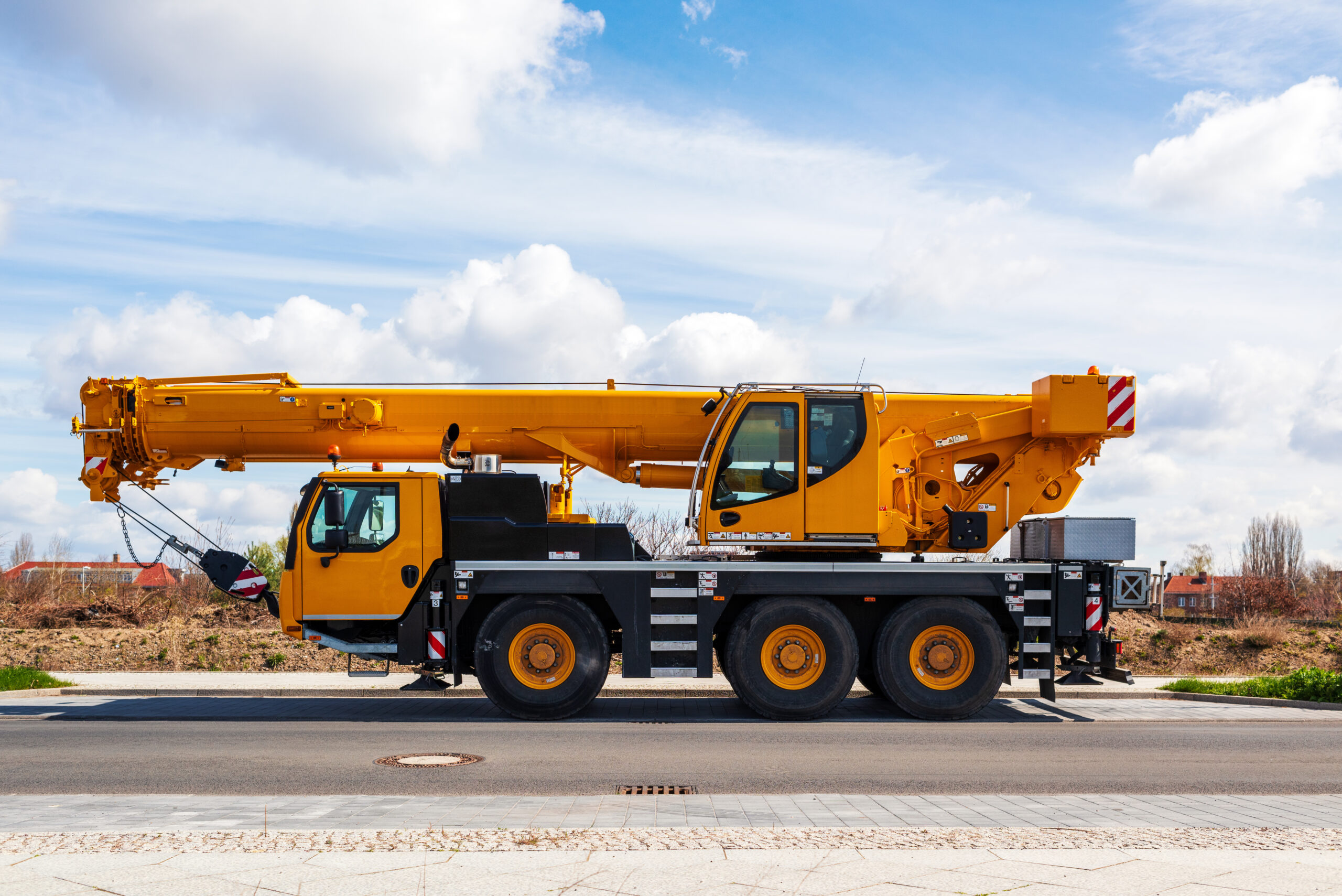
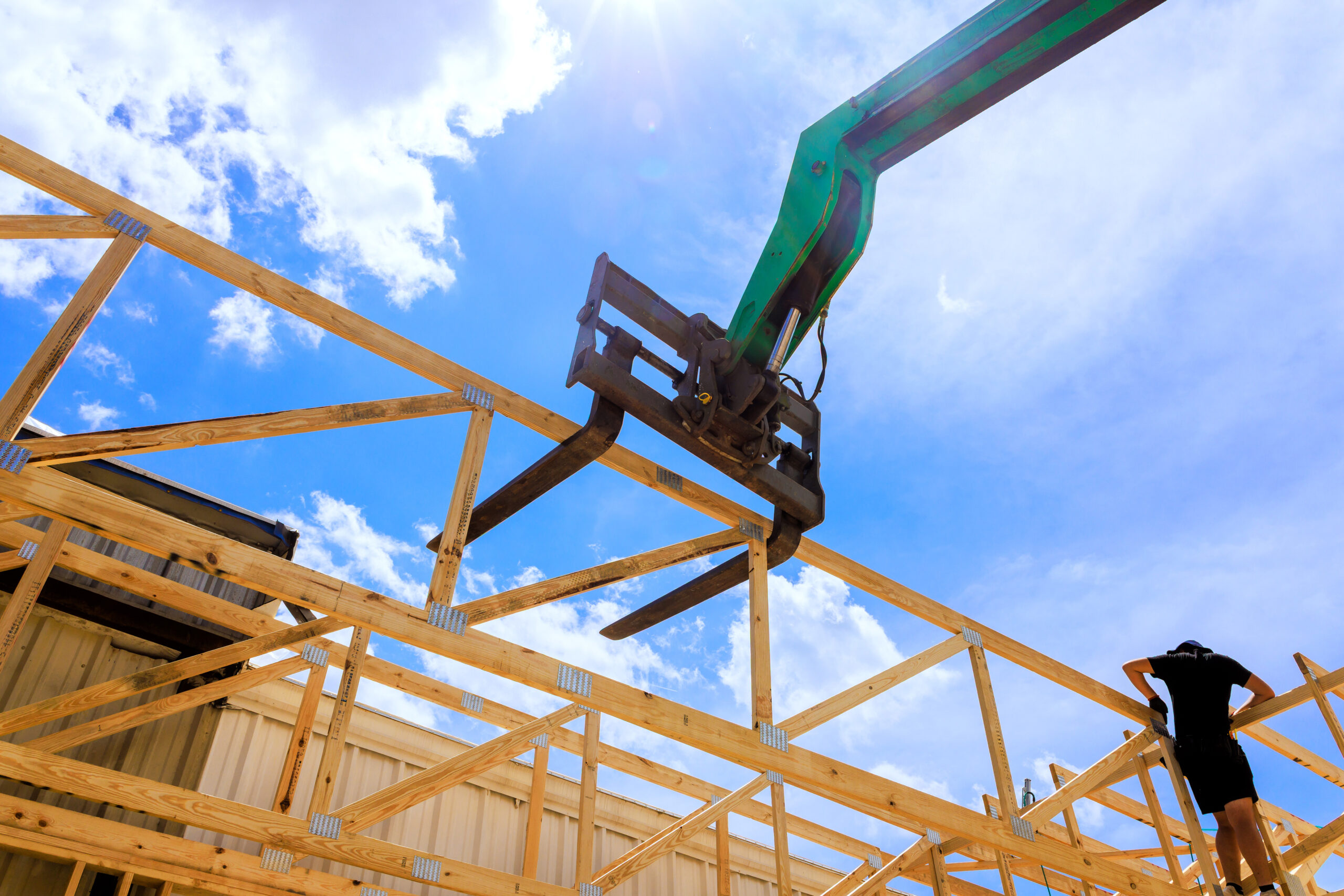
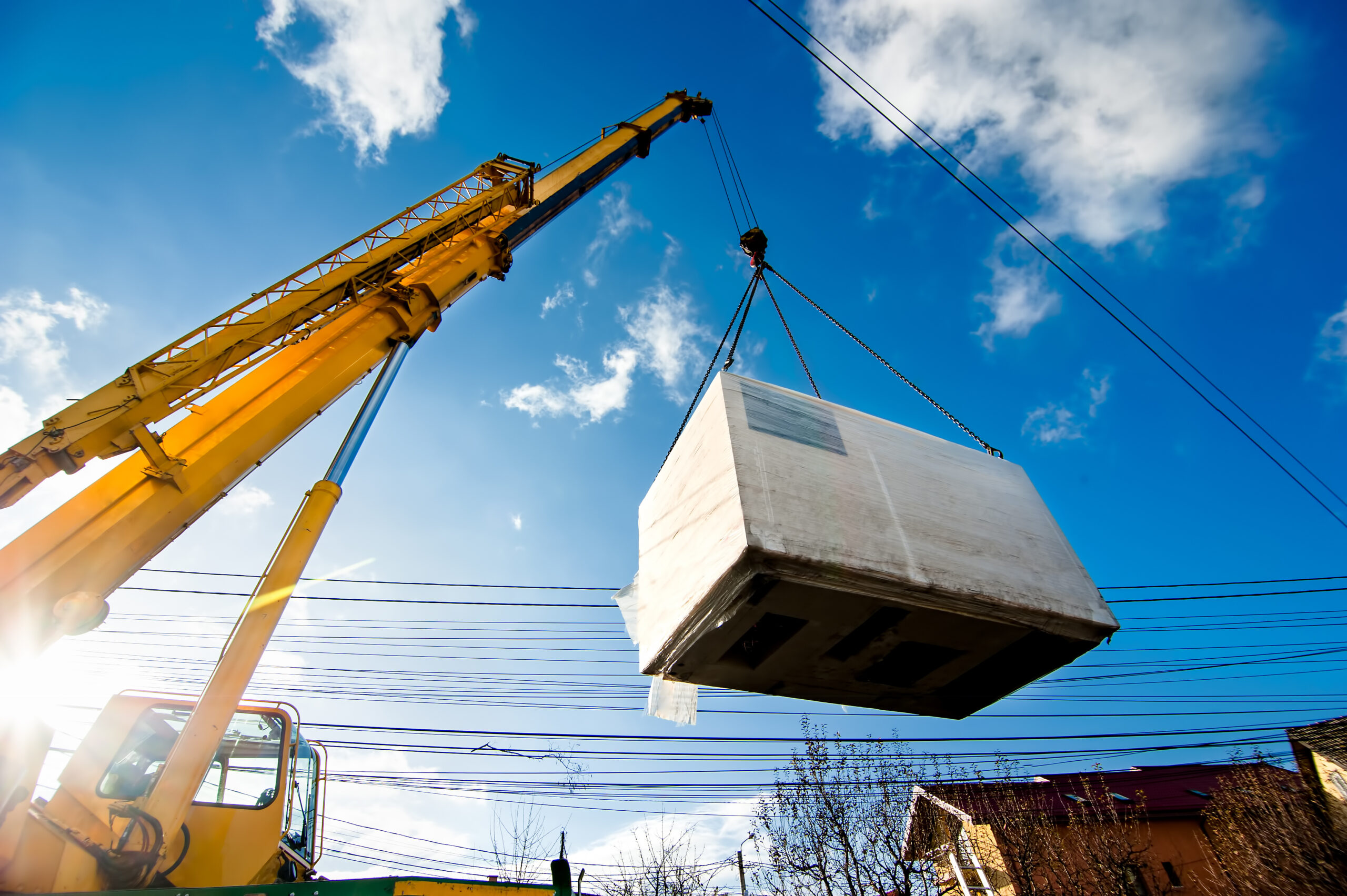
When exterior access allows, a crane pick can bypass tight interiors. Inside plants, a small pick-and-carry crane or a telehandler may be the right fit. American Erecting & Ironworks operates late-model cranes and telehandlers and pairs them with certified riggers for safe and efficient outcomes.
Protect your floors and your schedule
High point loads at wheels and jack points can crush tile, dent steel decks, or crack concrete. Use steel plates, hardwood cribbing, and load spreaders under skates and outriggers. Clean and sweep the path so debris does not become a roller under a skate. If you must cross a trench or threshold, build a temporary bridge with engineered plate and cribbing. Proper surface protection speeds moves and prevents building damage that slows production.
Safety and compliance never take a back seat
Permits and notifications
Some moves need street closures, sidewalk permits, or oversize load escorts. Notify building management, security, and affected departments. Mark off exclusion zones and pedestrian detours. Post signage at all entries to the route.
Rigging certifications and inspections
Use qualified riggers and operators. Inspect slings, shackles, skates, forks, and booms before use. Confirm equipment inspections are current. American Erecting & Ironworks employs NCCCO certified crane operators and follows strict safety processes on every project.
Job hazard analysis
Complete a hazard assessment and tailgate meeting. Review pinch points, overhead risks, and communication signals. Document the lift plan and emergency contacts. Make sure spill kits, fire extinguishers, and first aid are on site.
Your essential tight space machinery moving checklist
- Measure the machine’s true envelope including guards, panels, slings, skates, and padding.
- Survey the entire route. Record widths, heights, slopes, and floor condition at each point.
- Identify the lowest overhead item along the path, not just ceiling height.
- Confirm floor load ratings. Spread loads with steel plates and cribbing as needed.
- Plan the final orientation and all required turns and rotations.
- Remove obstacles such as door frames, handrails, and temporary guards ahead of time.
- Choose the right equipment. Validate capacity charts for forks, booms, and gantries.
- Protect utilities. De-energize power and shield sprinklers, conduit, and data lines.
- Set communication rules. Assign trained spotters and test radios.
- Stage rigging gear, tools, and spare materials close to the work zone.
- Prepare floor protection and bridges for thresholds and trenches.
- Schedule for minimal downtime. Use off-shifts, weekends, or holidays if needed.
- Complete safety checks, permits, and equipment inspections.
- Run a dry walkthrough with the team before the first move.
- Document the move for lessons learned and future relocations.
Real-world example of saving inches and saving time
A manufacturer in Kenosha needed to move a large CNC through an interior corridor that was only 6 inches wider than the machine base. Initial measurements missed two pinch points. One was a door closer that cut overhead clearance by an inch. The other was a low cable tray 20 feet beyond the door. American Erecting & Ironworks performed a full path survey and identified both issues. We removed the door closer, shielded the cable tray, and used a rigger boom to control the tilt of the machine while passing through the doorway. Steel plates bridged a small floor drain that would have caught a skate. The result was a smooth relocation completed on a weekend shift with zero damage and no lost production.
Why teams trust American Erecting & Ironworks
American Erecting & Ironworks is a second-generation, family-owned company serving Racine, Kenosha, and Milwaukee counties and parts of Lake County, Illinois. Since 1991, we have specialized in crane services, machinery moving, and steel erecting. Our fleet includes late-model cranes, tractor-trailers, forklifts, telehandlers, and genie boom lifts. We rent forklifts with or without rigger booms and offer flexible rental terms on a daily, weekly, monthly, or extended basis. Our NCCCO certified crane operators and seasoned riggers focus on safety, clear communication, and minimal downtime. Whether you are threading a press through a plant or lifting HVAC units to a roof, we bring the right plan and the right tools for the job.
Service options that fit tight schedules
Tight space machinery moving often works best during off-shifts. American Erecting & Ironworks accommodates holiday and weekend work to reduce disruptions. For projects that require both lift and rig, we provide end-to-end solutions. We can lift from the truck, set at the dock, and move across the floor to final position with the same integrated team. Our steel sales service supplies beams and columns in Wisconsin, which helps when you need load spreaders, temporary supports, or simple steel solutions as part of a move.
FAQs about tight space machinery moving
How much clearance do I really need?
As a rule, aim for at least 2 inches of side clearance through doors and 6 inches of overhead clearance. In very tight cases, we can work with less by removing obstructions and using specialized gear, but the risk and time increase. The best plan is to build clearance by disassembly and careful path prep.
What if my paths are uneven or have old floors?
We often install steel plate runways to create smooth paths and spread load. Skates with larger wheels or air casters can help. In some locations a gantry lift and slide method reduces floor stress compared to forklifts.
Do I need to shut down my whole line?
Not always. With good isolation, barriers, and communication, we can keep nearby operations running. Off-shift work and weekend schedules further reduce disruption.
Can you help with permitting and street access?
Yes. For exterior lifts or oversize deliveries, American Erecting & Ironworks coordinates with local authorities and secures needed permits. We plan traffic control and staging to keep the project safe and efficient.
What information should I send to get a quote?
Send machine specs, weights, and dimensions. Provide photos or drawings of the current location, route, and final position. Share any known floor ratings, ceiling heights, and door sizes. If possible, we will schedule a site visit to verify details before quoting.
Contact American Erecting & Ironworks
If you are planning a move and want a team that treats every inch as important, contact American Erecting & Ironworks. We are located at 2108 Clark St, Racine, WI 53403. Call (262) 637-7177. Hours are Monday through Friday, 7:00 AM to 4:30 PM. Visit AEAIWI.COM to request a quote and learn more about crane services, equipment rental, machinery moving, and steel sales. We serve Racine, Kenosha, and Milwaukee counties and parts of Lake County, Illinois.
Final thoughts
Tight space machinery moving is never just about fitting through a doorway. It is about clearances you cannot see at first, the extra inches gear adds to your load, and the turns and pivots that steal space. It is about floor loads, overhead hazards, and a rigging path that works from curb to final bolt down. With careful measurement, smart equipment choices, and a proven team, you can move heavy machines safely and keep your schedule intact. American Erecting & Ironworks brings over 30 years of experience, certified operators, and a full fleet to every challenge. Start with a path survey, use the checklist above, and call us when you want the job done right.