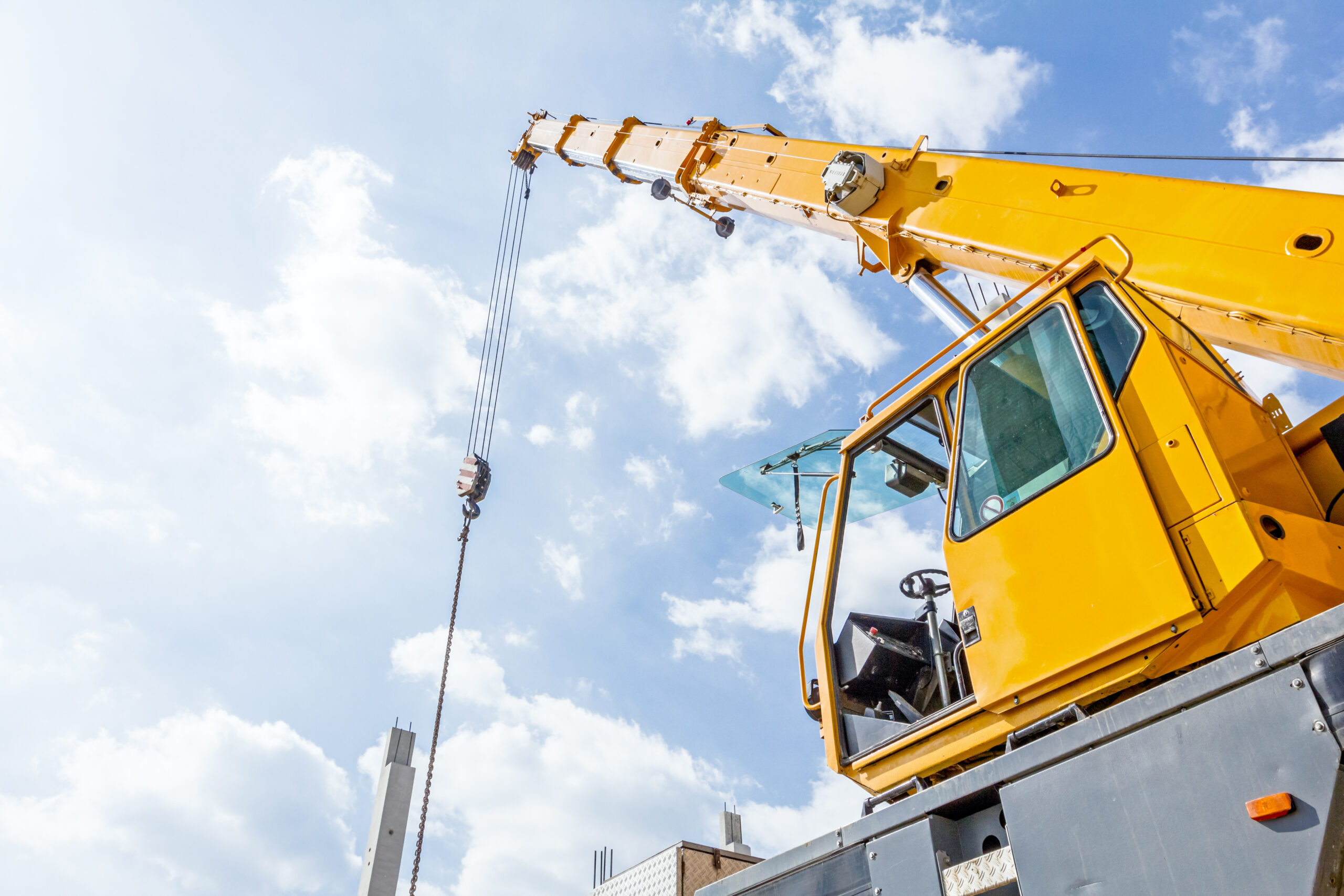
Planning a lift is easier when you can see real examples and know what to expect. If you are comparing options for rough terrain crane rental Wisconsin, this guide shows what these cranes handle every day on job sites across Racine, Kenosha, Milwaukee, and nearby communities. You will find realistic capacity snapshots, examples from actual project types, and practical tips to help you pick the right crane. When you are ready, American Erecting & Ironworks can size the crane, handle permitting and logistics, and complete your lift safely and on schedule.
Why Rough Terrain Cranes Are a Go-To in Wisconsin Projects
Rough terrain cranes are built for uneven ground and tight job sites. They operate on large tires, have 4-wheel drive, and set up quickly with outriggers. This makes them perfect for construction sites, industrial plants, utility yards, and areas where a conventional truck crane would struggle to access. They are strong, maneuverable, and versatile for short and long booms.
American Erecting & Ironworks runs late-model rough terrain cranes with NCCCO-certified operators. Our team serves contractors, builders, and manufacturers who need dependable lifts in all seasons. From spring thaw to winter snow, a rough terrain crane can reach where you need it and stay stable once it is set up on mats or a prepped pad.
How Much Can a Rough Terrain Crane Lift?
Rough terrain cranes commonly range from 30-ton to 130-ton models. What a crane can lift at your site depends on the crane’s load chart and your lift geometry. The number on the side of the crane (like 50-ton) is the maximum under ideal conditions. Real picks depend on radius, boom length, and setup.
- Radius: Distance from the center of the crane to the load while lifted. Capacity decreases as radius increases.
- Boom length and angle: Longer booms and higher angles can reduce capacity at certain radii.
- Outriggers: Full outrigger extension improves capacity and stability.
- Pick and carry: Many rough terrain cranes can travel slowly with a suspended load. Capacity is reduced for this mode and requires careful planning.
- Rigging weight: Shackles, spreader bars, slings, and hooks add to the total load.
- Height and obstacles: Taller buildings, parapets, and rooftop setbacks affect the radius and boom choice.
- Wind and weather: Wind limits and surface conditions influence what is safe to pick and how the crane must be configured.
Quick Capacity Snapshots You Can Use to Plan
Always verify with the crane’s actual load chart and a site-specific plan. These ballpark numbers are here to help you think through your lift before you call.
- 40-ton rough terrain crane: About 20,000 pounds at 30 feet of radius. Around 6,000 to 8,000 pounds at 80 to 90 feet of radius, depending on boom length and setup.
- 60 to 65-ton rough terrain crane: About 30,000 pounds at 50 to 60 feet of radius. Around 10,000 to 14,000 pounds near 100 to 120 feet of radius with proper boom and outriggers.
- 75 to 90-ton rough terrain crane: Often 40,000 pounds at 60 to 70 feet of radius. Around 15,000 to 25,000 pounds at 100 to 130 feet of radius in typical configurations.
If you know your load weight, where the crane can sit, and where the load must land, American Erecting & Ironworks can confirm the correct crane size and configuration. Getting the radius right is the fastest way to size a crane accurately.
Real Job Site Examples From Southeast Wisconsin
Rooftop HVAC and RTU Swaps
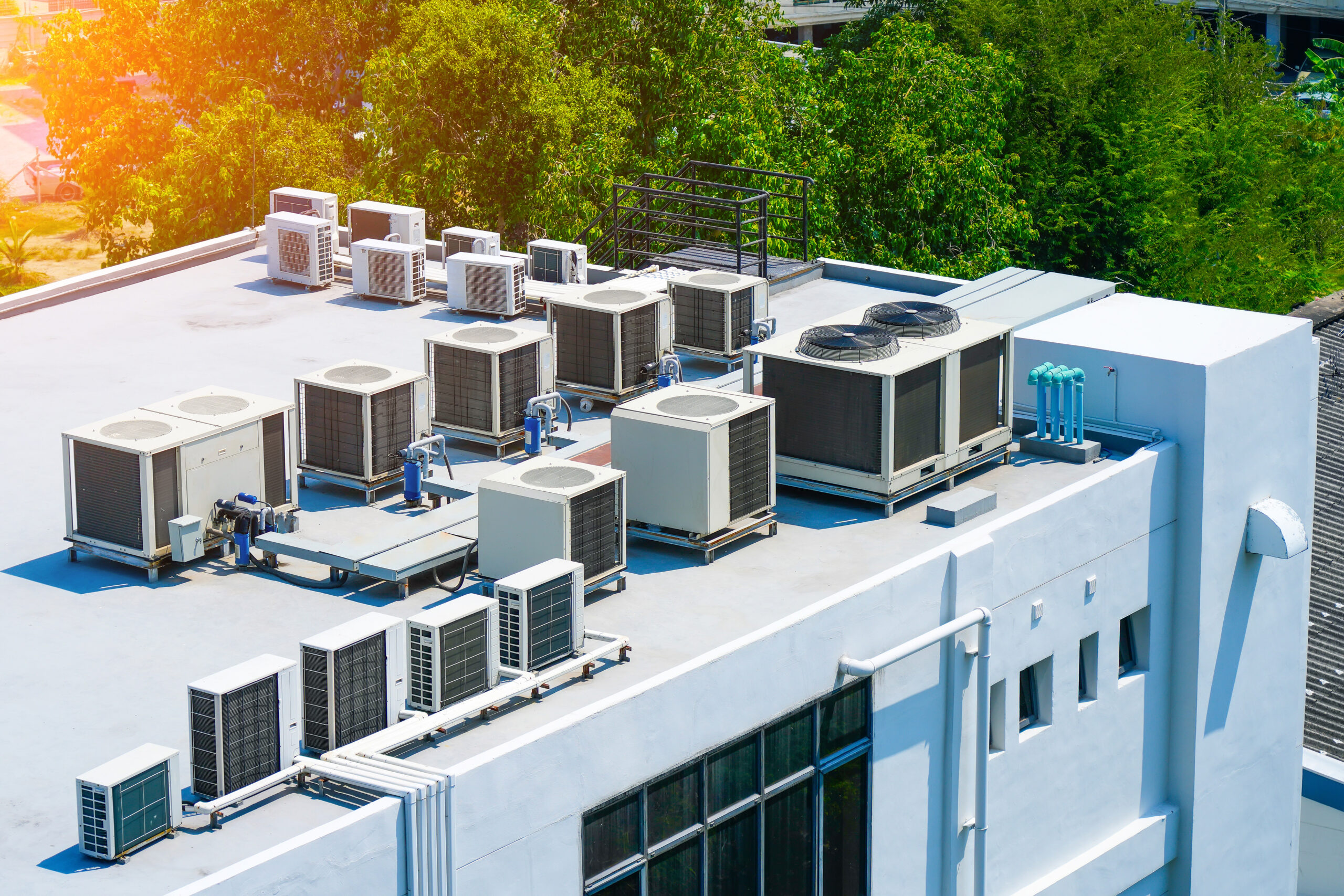
Rooftop units are a classic rough terrain crane lift. On commercial buildings in Milwaukee and Racine, common RTUs weigh 3,000 to 15,000 pounds. Many replacements involve multiple picks for removing the old unit, placing the new one, and setting curb adapters. The tight alleys and snow storage areas around the building often favor a rough terrain crane that can squeeze in and still set up level on outriggers. For a 5,500-pound RTU at about 80 feet of radius, a 50-ton class rough terrain crane is a frequent fit. Larger units or setbacks that push the radius to 120 feet may call for a 75 to 90-ton model. American Erecting & Ironworks handles rigging, spreader bars for delicate housings, and lift timing so your mechanical team can land the unit and tie in the same day.
Structural Steel and Precast Placement
Steel beams, columns, and precast panels are common on school upgrades, retail infills, and light industrial expansions. Typical W-beams for small spans weigh 2,000 to 8,000 pounds. Precast stairs, dock walls, and wall panels range from a few thousand pounds to over 20,000 pounds. Jobs often require staying within a narrow footprint along the slab or near utilities. Rough terrain cranes can reach from one corner of the site and set several picks in sequence. With American Erecting & Ironworks, you also have access to our steel sales for beams and columns within Wisconsin. We can supply your steel, deliver it, and set it with the same project team for a smooth schedule.
Machinery Moving and Plant Work
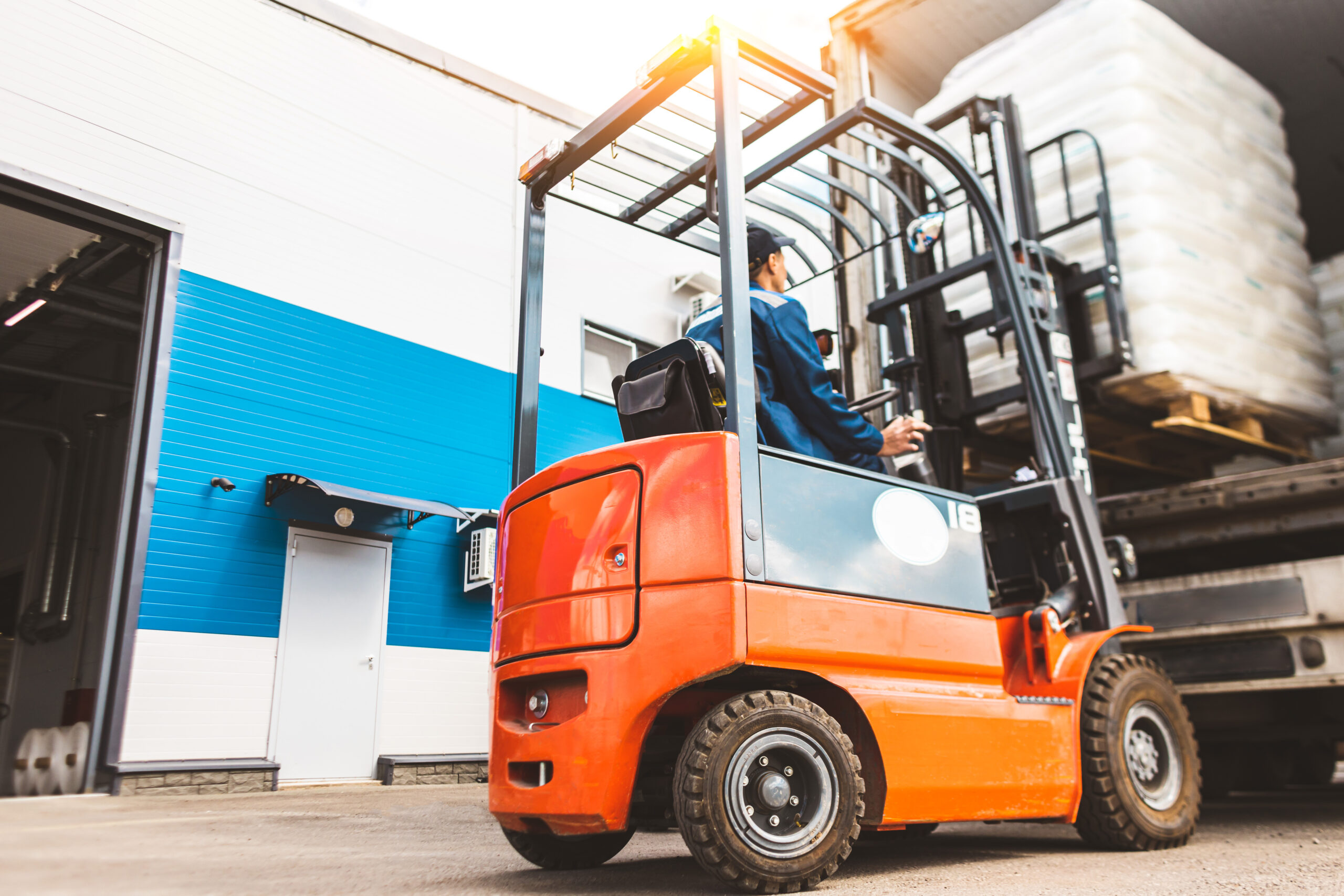
Factories and warehouses in Kenosha and Milwaukee often schedule lifts during shutdowns, holidays, or weekends to limit downtime. CNC machines, injection presses, and ovens can weigh 10,000 to 60,000 pounds or more. A rough terrain crane may lift through a bay door, hold for positioning, and set on skates. Forklifts with rigger booms work alongside the crane for tight moves. American Erecting & Ironworks specializes in machinery moving and can combine crane service with forklift rentals, rigging crews, and trucking. That means one call covers removal, transport, placement, and alignment.
Utilities and Infrastructure
Transformers, switchgear, culvert sections, and smaller bridge members are all in range for rough terrain cranes. Many pad-mounted transformers fall between 20,000 and 80,000 pounds. With proper mats and a level setup, a rough terrain crane can reach over a fence line or ditch and place the unit carefully. For culverts and smaller bridge beams, repeated, consistent picks keep productivity high. Our NCCCO-certified operators at American Erecting & Ironworks use lift plans and tag line controls to manage swing and keep crews protected around energized areas or traffic.
Residential and Light Commercial
From roof trusses and modular sections to hot tubs and sign cabinets, a smaller rough terrain crane can be the perfect fit in a driveway or alley. Trusses may weigh 200 to 600 pounds each and require multiple picks at a steady pace. Hot tubs run 600 to 1,200 pounds, but the radius can be long if the tub goes to a backyard behind a garage. A compact rough terrain crane sets up fast, navigates tight spaces, and keeps the job moving without blocking streets all day.
Terrain, Access, and Seasonal Realities in Wisconsin
Wisconsin weather and soil conditions change week to week. Spring thaw softens job sites. Fall rains and early snow make yards slick. Rough terrain cranes are built for this. Large tires, 4-wheel drive, and oscillating axles help them reach the pad. Stability still depends on a level setup and good ground bearing. American Erecting & Ironworks provides matting when needed and coordinates with your team to prep stabilized crane pads that protect turf and subgrade. We also plan around overhead lines, tree canopies, and tight gates that impact travel and outrigger setup.
- Confirm access widths and turning radii for delivery and crane travel.
- Mark utilities, underground tanks, and vaults to avoid overstress beneath outriggers.
- Prep a level pad or provide crushed stone where the crane will set.
- Stage materials to reduce radius as much as possible.
- Review wind forecasts and plan lift windows accordingly.
What Size Rough Terrain Crane Do You Need?
Choosing the right size starts with clear basics. If you can share weight, dimensions, pick radius, height, and site access, American Erecting & Ironworks can lock in the right crane quickly. Here is a simple approach to get you started.
- Define the load: Actual weight, plus any rigging and spreader bars.
- Map the radius: Measure from the crane’s likely setup point to the load’s center when lifted.
- Note the height: Clear parapets, roof setbacks, and set the load at final elevation.
- Confirm ground: Soil, slab strength, and need for mats or cribbing.
- Identify constraints: Power lines, trees, building overhangs, and timing windows.
Sample Sizing Scenarios
- Milwaukee midrise RTU: 8,000-pound unit, 120-foot radius to clear a parapet and alley. A 75 to 90-ton rough terrain crane is a common match after confirming boom length and outrigger setup.
- Kenosha school HVAC: 5,500-pound unit, 80-foot radius from a parking lot. A 50 to 60-ton rough terrain crane usually covers this with full outriggers.
- Racine plant press move: 42,000-pound component lifted through a roll-up door then set 60 feet in. A 75 to 90-ton rough terrain crane pairs with forklifts and skates for final placement.
- Lake County, IL warehouse: 20,000-pound rooftop air handler, 95-foot radius. A 60 to 65-ton rough terrain crane often fits, pending the exact load chart and wind.
What Comes With a Rough Terrain Crane Rental in Wisconsin From American Erecting & Ironworks
When you choose American Erecting & Ironworks for rough terrain crane rental Wisconsin, you get more than a machine. You get a full-service lift partner that plans, mobilizes, and completes the job safely.
- Site visit and lift planning to confirm radius, ground bearing, and access.
- NCCCO-certified operator and a well-maintained late-model crane.
- Rigging gear like slings, shackles, spreader bars, and tag lines sized to your load.
- Trucking and logistics for counterweights and accessories.
- Permitting help where needed for street closures or oversize loads.
- Option to bundle forklifts, telehandlers, and boom lifts for support tasks.
- Coordinated scheduling, including holiday or weekend hours to limit downtime.
Safety You Can Count On
Safety drives every lift. Our operators are NCCCO-certified and follow industry best practices. We perform pre-lift meetings to confirm roles, hand signals or radio channels, and weather checks. We maintain strict load chart compliance, consider wind limits, and require proper ground support. The result is a lift that is efficient and consistent job to job.
Fleet and Equipment Support Beyond the Crane
Many projects need more than a crane. American Erecting & Ironworks offers forklifts, with or without rigger booms, rough terrain telehandlers, and genie boom lifts. Rental terms are flexible with daily, weekly, monthly, or extended options. If your project involves setting new steel, we also offer steel sales for beams and columns in a range of sizes within Wisconsin. Our tractor-trailers support heavy haul and deliver equipment, steel, and machinery where you need it.
Service Area, Hours, and How to Reach Us
American Erecting & Ironworks is a second-generation, family-owned company based in Racine, Wisconsin. Since 1991, we have served Racine, Kenosha, and Milwaukee counties, plus parts of Lake County, Illinois. Our address is 2108 Clark St, Racine, WI 53403. Call us at (262) 637-7177. Hours are Monday through Friday, 7:00 AM to 4:30 PM. For quotes and scheduling, visit AEAIWI.COM or call to speak with our team. We will listen to your goals, review your site, and recommend the right crane and rigging plan.
FAQs About Rough Terrain Crane Rental Wisconsin
What information do you need to size a crane for my job?
We need the load weight and dimensions, radius from the crane to the load, lift height, site access notes, and any obstacles. Photos, sketches, and a quick site walk help us confirm the best crane and setup.
How far can a rough terrain crane reach?
Reach depends on boom length and the load chart. Many mid-size rough terrain cranes can reach over 150 feet with lighter loads. At longer radii, capacity drops. We balance boom length and radius to keep the lift safe and productive.
Can you lift and carry the load to another location?
Many rough terrain cranes can pick and carry at reduced capacities. We plan the travel path, ground conditions, and clearances. For heavier picks, we often combine the crane with forklifts or skates to move the load inside a building.
Do you provide rigging and spreader bars?
Yes. American Erecting & Ironworks supplies rigging gear sized for your load. If your equipment has special lift points, we will design the rigging to protect the equipment and balance the pick.
What if the job site is muddy or snowy?
We use mats, cribbing, and careful setup to protect the ground and keep the crane level. Rough terrain cranes handle poor access well, but we still need a stable pad. Our team will advise on site prep and schedule around weather when needed.
Can you help with weekend or holiday lifts?
Yes. We frequently schedule lifts outside normal production hours to limit downtime. Let us know your window, and we will staff and stage accordingly.
How to Plan Your Lift With Confidence
Whether you are swapping an RTU in Milwaukee, placing a transformer in Kenosha, or setting beams in Racine, start with the basics. Share your load weight, target radius, and site photos. American Erecting & Ironworks will review the details, provide a clear plan, and schedule the right crane and support gear. With our combination of crane services, machinery moving, equipment rental, and steel sales, you get a partner that understands the whole project. That saves time, reduces risk, and keeps your crews productive.
Ready to Book Rough Terrain Crane Rental in Wisconsin?
If you want rough terrain crane rental Wisconsin you can trust, call American Erecting & Ironworks at (262) 637-7177 or visit AEAIWI.COM. Tell us what you need to lift, when, and where. We will size the crane, bring the right rigging, and get your job done safely and on schedule. From pre-planning to final set, you will have a team that treats your project like our own.