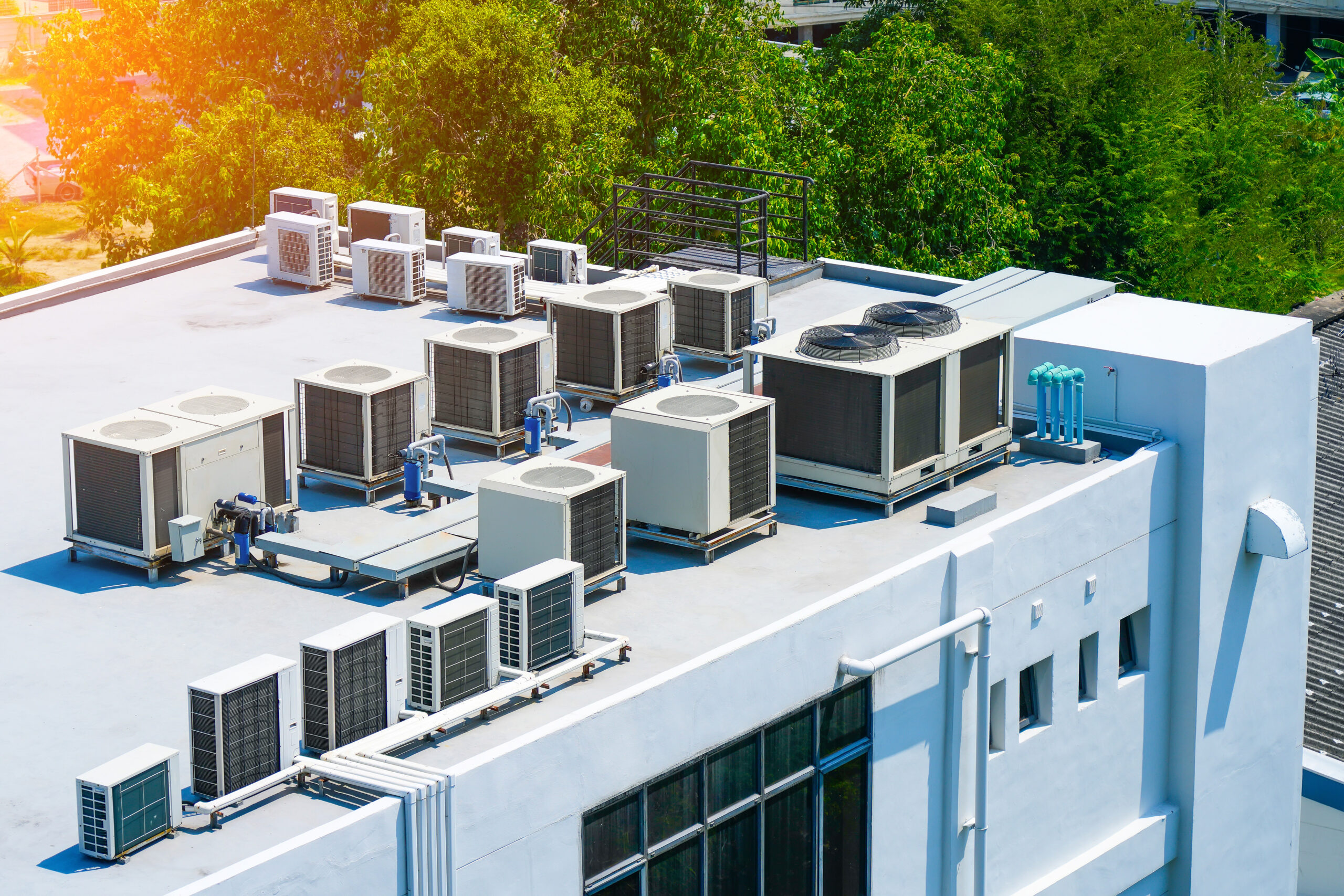
Why planning matters for a rooftop HVAC crane lift in Milwaukee
A successful rooftop HVAC crane lift in Milwaukee comes down to planning. City streets can be tight, roofs vary in structure, and weather can change fast. Getting permits, choosing the right crane, preparing the roof, and planning traffic control all take coordination. When you work with a seasoned partner like American Erecting & Ironworks, you reduce risk, stay compliant, and keep the project on schedule.
Permits and city requirements you should secure first
Street use and right of way permits
Many downtown or neighborhood jobs need a street or lane closure for the crane and staging. Plan early for right of way permits. You may need barricades, no-parking signs, and certified flaggers. Some Milwaukee blocks also require a traffic control plan that shows where the crane will set up, where pedestrians will walk, and how emergency access will be maintained. Build permit lead time into your schedule so your rooftop HVAC crane lift in Milwaukee does not get delayed.
Building and mechanical approvals
Confirm that your HVAC changeout meets local building and mechanical code. Many jobs require permit updates if you are replacing units, modifying curbs, or changing structural loads. If new steel supports or a larger curb are needed, get engineer-stamped drawings in hand before the lift. American Erecting & Ironworks can supply steel beams and columns within Wisconsin, which streamlines curb upgrades and support work.
Utility notifications and clearances
Before you schedule the crane, identify nearby power lines, overhead communications lines, and underground utilities where outriggers will be placed. Coordinate with utility providers when clearances are tight. Document clearances in your lift plan. If conductors are too close, resite the crane or schedule power line mitigation with the utility. Never assume you have enough clearance without measuring.
Site assessment and crane selection
Confirm weights, dimensions, and pick radius
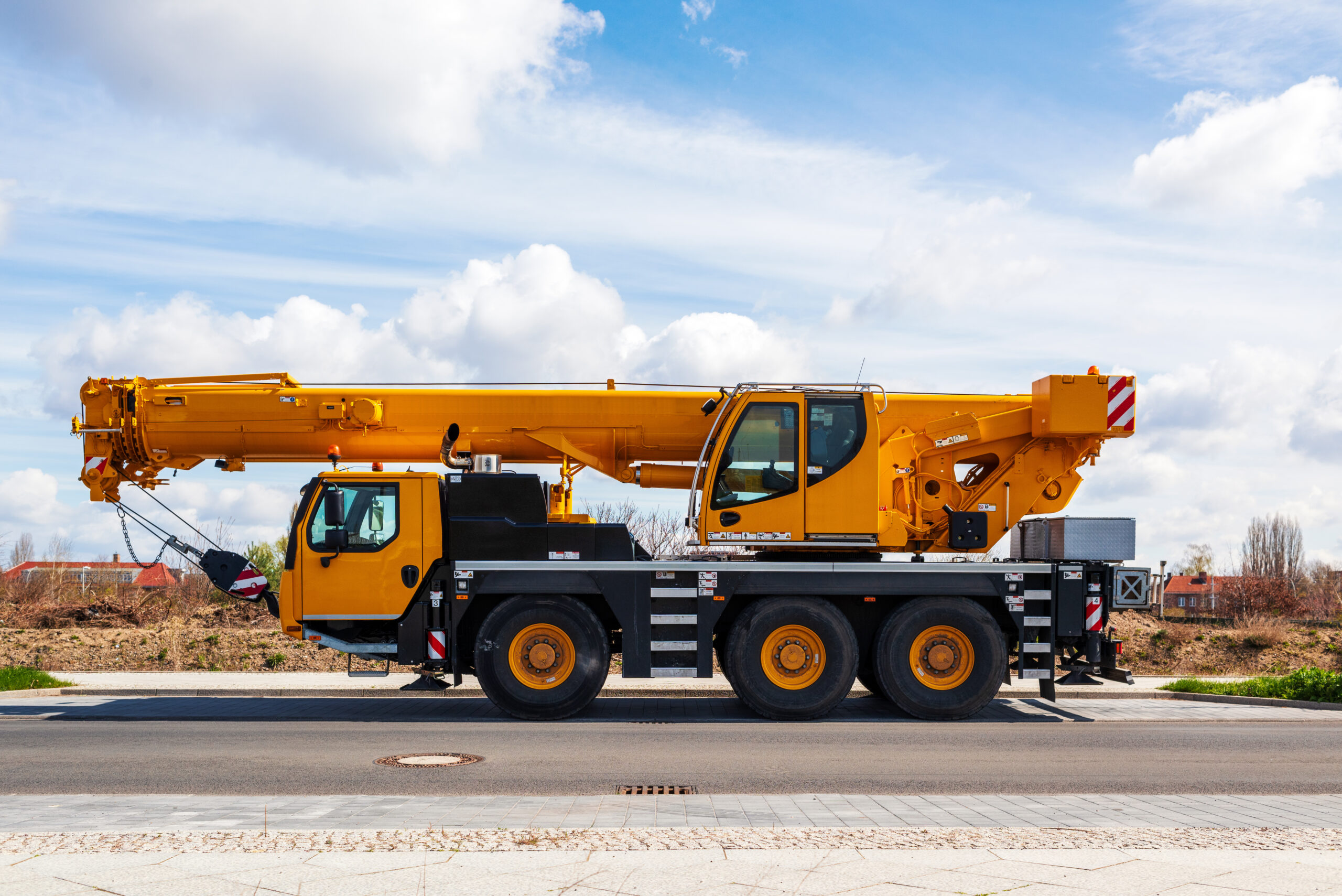
Gather the HVAC unit weights, center of gravity, and lift points from the manufacturer. Measure the lift radius from the crane to the set point on the roof. Note obstructions that limit boom angles. With this information, your crane partner can select the correct crane size and counterweight to handle the lift safely. American Erecting & Ironworks runs late-model cranes and uses NCCCO-certified operators who match the crane to your actual site conditions.
Access, ground conditions, and setup space
Check that trucks and cranes can access the site without tight turns, low bridges, or low wires. Confirm that the setup area is flat and can handle the crane’s ground bearing pressure. If asphalt or soft soils are present, plan for cribbing, steel mats, or timber to spread loads. Get confirmation on where you can stage units, dumpsters, and rigging. Mark the setup footprint so vehicles do not block it on lift day.
Weather windows and seasonal prep
Milwaukee weather adds complexity. Wind is the most common reason to reschedule a lift. Work with your crane partner to set safe wind thresholds for the unit and the rigging. In winter, plan for snow and ice removal on the roof and ground. Have salt or sand ready to prevent slips. Build a backup date into your plan so you can pivot quickly if conditions change.
Rigging, roof protection, and unit preparation
Create a rigging plan
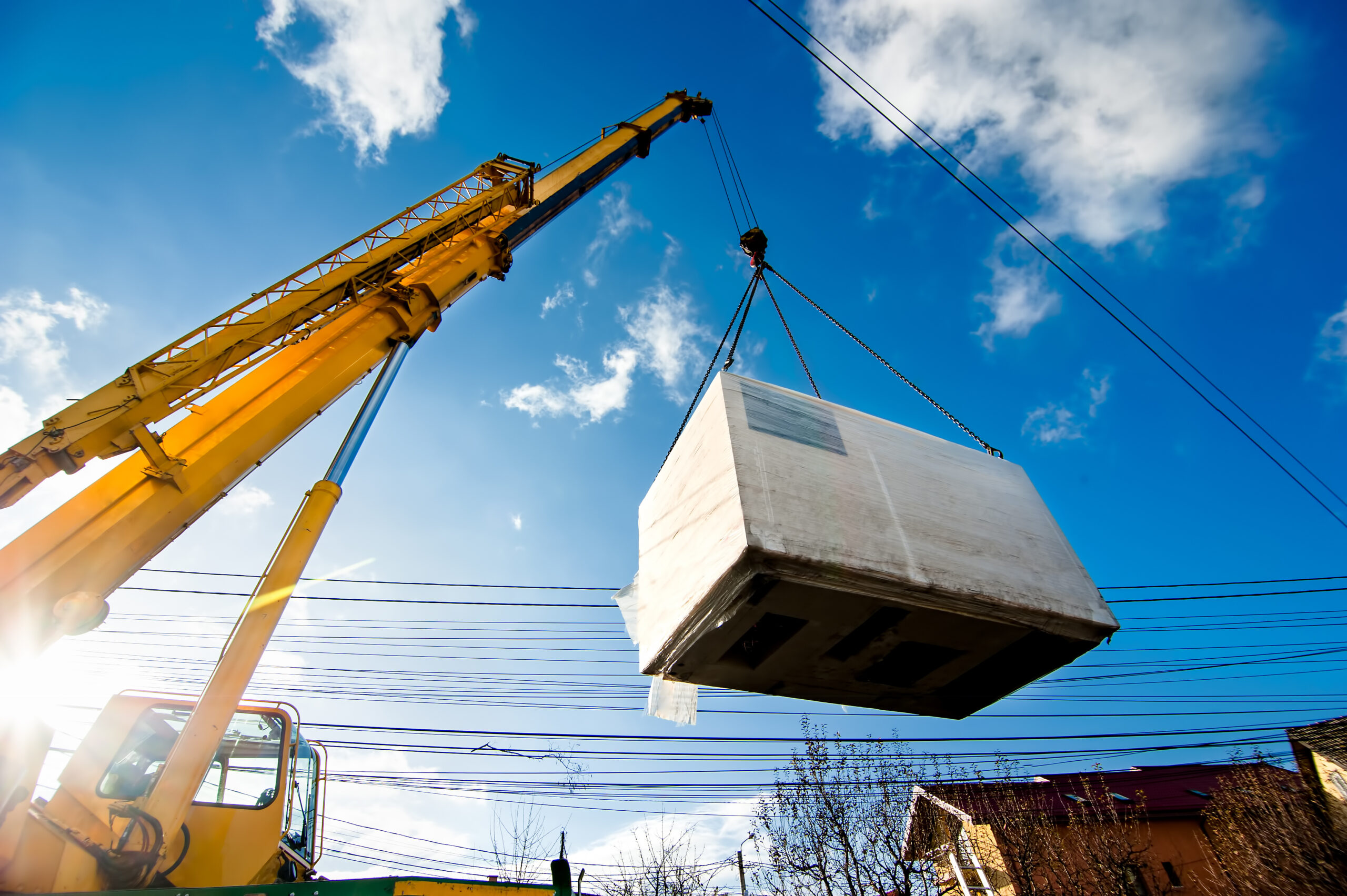
Your rigging plan should show how the unit will be connected, where the slings will attach, and how the load will be balanced. Use only rated slings, shackles, and spreader bars sized for the unit’s weight plus a safety margin. Identify the center of gravity and confirm that the rigging will not crush panels or fan housings. American Erecting & Ironworks provides experienced riggers who build and test the rigging setup on the ground before the pick.
Protect the roof and confirm curb readiness
Protecting the roof saves costly repairs. Use dunnage and protective mats to spread load where materials or equipment will rest. Cover sharp edges and skylights. Confirm that the curb or steel support is level, watertight, and ready to accept the unit. If you need new steel or a curb adapter, coordinate delivery ahead of lift day. American Erecting & Ironworks can supply steel and help coordinate curb steel placement within Wisconsin so you are ready when the crane arrives.
HVAC unit prep checklist
- Disconnect electrical, gas, and condensate lines safely and cap as required.
- Verify refrigerant recovery and compliance if removing a charged unit.
- Remove loose panels, filters, or accessories that can blow off in the air.
- Install factory lifting lugs or approved lifting brackets.
- Confirm final unit height and orientation to match duct and curb openings.
- Stage all fasteners, sealants, and tools near the set area for a quick reconnect.
Traffic, pedestrian, and building safety
Traffic control plan
When a crane occupies a street or alley, plan how traffic will be directed. Mark detours. Coordinate no-parking zones and sign placement 24 to 48 hours in advance. Use cones, barricades, and clear signage. Confirm that emergency vehicles can pass and that deliveries are rescheduled. If you need help creating a traffic control plan, American Erecting & Ironworks can advise what is typical for a rooftop HVAC crane lift in Milwaukee neighborhoods and downtown corridors.
Pedestrian and tenant communication
Notify tenants and neighbors of the lift date, time window, and any access limits. Block building entrances directly under the lift path. Post signs in lobbies and elevators. Assign a spotter at doors so no one walks under the load. Good communication reduces complaints and speeds the work.
Fall protection and rooftop safety
Everyone on the roof should have proper fall protection and training. Mark roof edges and skylights. Keep people clear of the set area until the unit is secured. Do not stand under suspended loads. Hold a safety briefing before the first pick to review boundaries and hand signals. American Erecting & Ironworks crews come prepared with a safety-first approach and coordinated communication to keep the site controlled.
Crew, communication, and documentation
Use qualified people
Crane operators should be NCCCO certified and familiar with the selected crane. Riggers should be qualified and experienced with HVAC picks. Have an on-site supervisor who can make decisions and sign for deliveries. American Erecting & Ironworks staffs lifts with experienced personnel to reduce risk and downtime.
Lift plan and job hazard analysis
Create a simple, written lift plan that includes the crane model, load weight, pick radius, rigging diagram, wind limit, and communication method. Add a job hazard analysis that lists site hazards like power lines, traffic, roof edges, and weather. Review both documents with everyone during the pre-lift meeting.
Pre-lift meeting and clear signals
- Walk the site and confirm barricades and signage are in place.
- Review hand signals or radio channels and assign a single signal person.
- Confirm unit weight, rigging setup, and pick radius.
- Check wind speed and weather outlook.
- Verify emergency procedures and a clear drop zone.
What American Erecting & Ironworks brings to your lift
American Erecting & Ironworks is a second-generation, family-owned company based in Racine, Wisconsin. Since 1991, the team has supported contractors, builders, and manufacturers across Racine, Kenosha, and Milwaukee counties, plus parts of Lake County, Illinois. With a fleet of late-model cranes, tractor-trailers, forklifts, and support gear, the company handles rooftop HVAC crane lifts, machinery moves, and steel work with a focus on safety and reliability. Their NCCCO-certified crane operators follow high safety standards and proven procedures.
- Crane services: Complete lift support for HVAC units and heavy loads, from site evaluation and crane selection to rigging and execution.
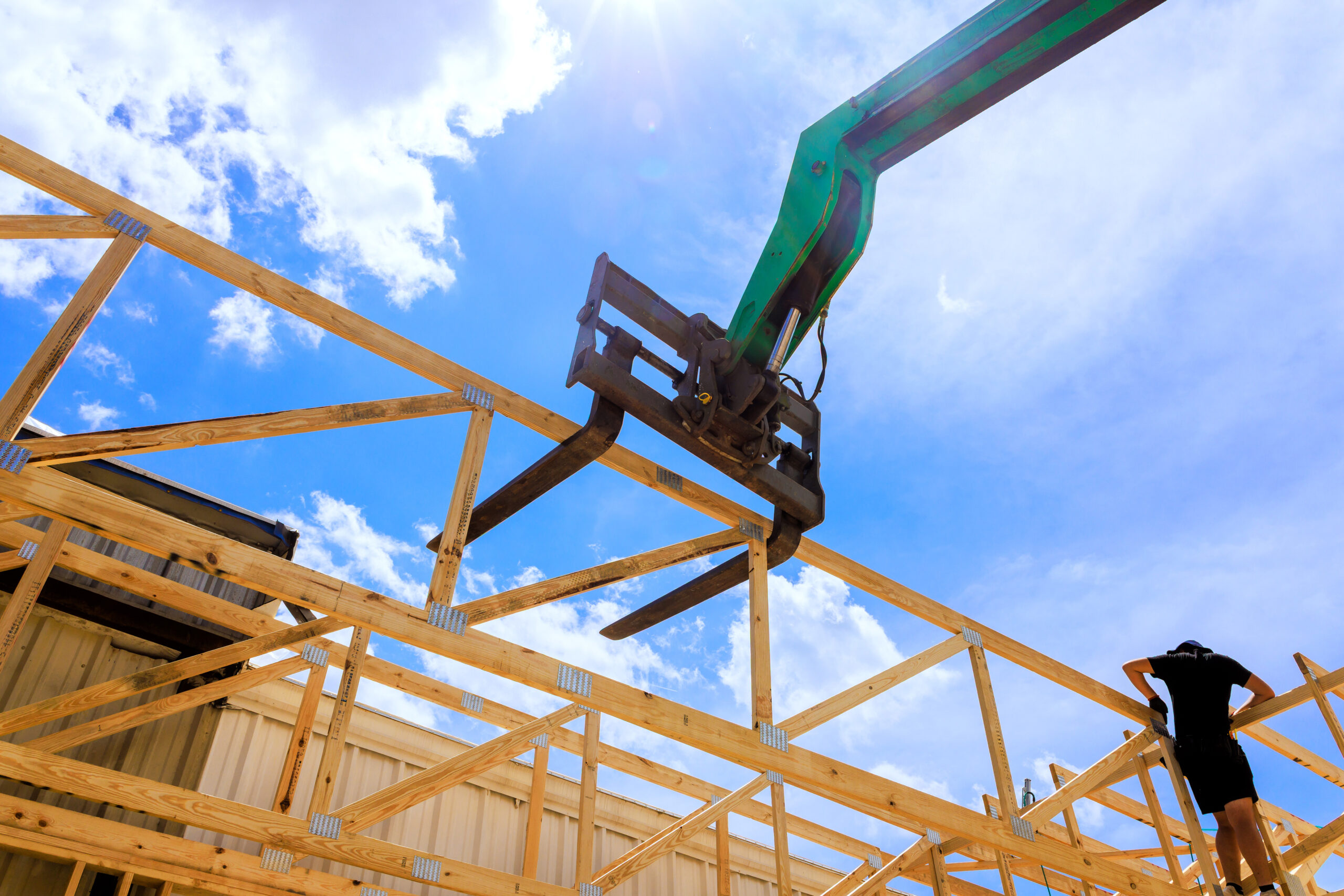
- Equipment rental: Well-maintained forklifts with or without rigger booms, rough terrain telehandlers, and genie boom lifts. Flexible daily, weekly, monthly, or extended contracts.
- Machinery moving: Safe, efficient relocation of heavy equipment with scheduling options that reduce downtime, including holiday and weekend hours.
- Steel sales: Supply of steel beams and columns in various sizes for building projects across Wisconsin. Helpful when curbs or rooftop supports need upgrades before a lift.
American Erecting & Ironworks is located at 2108 Clark St, Racine, WI 53403. Call (262) 637-7177. Office hours are Monday through Friday, 7:00 AM to 4:30 PM. Learn more or request a quote at AEAIWI.COM.
Step-by-step timeline to get ready fast
- Two to three weeks out: Confirm unit weight, curb condition, and roof access. Start right of way permits if streets or sidewalks will be impacted. Identify utilities and clearances. Call American Erecting & Ironworks to review the site and choose the crane.
- Ten days out: Finalize the traffic control plan, staging area, and delivery schedule. Order any steel or curb adapters. Reserve equipment rentals like telehandlers or boom lifts from American Erecting & Ironworks if needed.
- One week out: Complete the written lift plan and job hazard analysis. Notify tenants and neighbors of the lift date and time window. Post temporary no-parking signs where required.
- Three days out: Confirm weather outlook and backup date. Verify power line clearances. Walk the roof to mark edges, skylights, and the set location. Stage rigging gear and roof protection.
- Day before: Paint or chalk crane outrigger spots. Place barricades and signage if allowed. Preassemble rigging. Double-check unit preparation, caps, and disconnections.
- Lift day: Hold a pre-lift meeting. Verify permits on site. Measure wind speed. Perform a test pick off the ground to confirm balance. Execute each pick with one signal person and maintain a clear drop zone. Secure the unit, reconnect services, and remove protection.
- After the lift: Inspect the roof and curb. Remove barricades and signage. Complete a post-lift review to capture lessons for the next project.
Common pitfalls and how to avoid them
- Underestimating weight or radius: Get manufacturer data and measure accurately so the right crane is selected.
- Missing permits: Start right of way and building approvals early to avoid last-minute cancellations.
- Weak ground conditions: Use mats or cribbing under outriggers to spread loads on soft or sensitive surfaces.
- Poor roof prep: Install dunnage, mark edges, and protect skylights to prevent damage and delays.
- Loose panels on the unit: Remove or secure panels and accessories so nothing comes off in the air.
- Unclear communication: Assign one signal person and confirm hand signals or radio channels before the first pick.
- No backup weather plan: Set wind limits and a backup date to protect the schedule.
Rooftop HVAC crane lift Milwaukee: frequently asked questions
How long does a rooftop HVAC lift take?
Most single-unit lifts take a few hours once the crane is set up. Complex jobs with multiple picks, tight radiuses, or heavy traffic control needs can take most of a day. Good staging and a clear traffic plan speed things up.
What wind speed is too high for a lift?
It depends on the unit size, surface area, and rigging. Many lifts set a wind limit between 15 and 20 mph at height. Your lift plan should set a site-specific limit. American Erecting & Ironworks will advise based on the crane, the rigging, and the unit profile.
Can you lift on weekends or off-hours?
Yes. Off-hours can reduce traffic and tenant impact. American Erecting & Ironworks can accommodate weekend or holiday schedules for machinery moving and crane work to minimize downtime.
Do I need to upgrade my curb or roof supports?
If the new unit is heavier or larger, you may need a curb adapter or added steel. Get an engineer review early. American Erecting & Ironworks supplies steel beams and columns in Wisconsin and can coordinate delivery to keep your schedule moving.
Who handles rigging and signaling?
Qualified riggers should assemble and inspect the rigging. A single, trained signal person should direct the operator. American Erecting & Ironworks provides experienced riggers and NCCCO-certified operators for clear, safe communication during the lift.
What areas do you serve?
American Erecting & Ironworks serves Racine, Kenosha, and Milwaukee counties, along with parts of Lake County, Illinois. If your job is nearby, call to discuss options.
What insurance or documentation is needed?
Have proof of insurance ready and keep permits on site. Your lift plan and a job hazard analysis should be available for the crew. If the city requires a traffic control plan, keep a printed copy at the site.
Make your lift safer and simpler with the right partner
When every detail is ready before the crane arrives, your rooftop HVAC crane lift in Milwaukee runs smoothly. That means permits on the dashboard, barricades in place, utilities cleared, rigging built, curb ready, and a crew that knows the plan. American Erecting & Ironworks brings decades of local experience, late-model cranes, and NCCCO-certified operators who focus on safety and efficiency. The team can also provide forklifts, telehandlers, and boom lifts, plus steel for curb and support work. With flexible scheduling and clear communication, they help you protect your timeline and your budget.
Get a compliant lift on the calendar
Ready to schedule a rooftop HVAC crane lift Milwaukee contractors can trust? Call American Erecting & Ironworks at (262) 637-7177, Monday through Friday, 7:00 AM to 4:30 PM. Visit AEAIWI.COM for more information, service details, and to request a quote. The shop is located at 2108 Clark St, Racine, WI 53403. Share your unit weight, site address, target dates, and any permit needs, and the team will help you build a safe, code-compliant plan from the ground up.