Why planning matters before you move anything
Moving a press, CNC, or packaging line a few hundred feet can be as risky as a cross-country haul. Floors can crack, routes can bottleneck, and a single missed permit can stall production for days. If you want a smooth, safe move inside your facility, you need a clear plan and a trained crew. That is why interior equipment moving services are so valuable. This guide walks you through the key checks to make before the first wheel, roller, or fork touches your warehouse floor. Use it as a practical checklist to reduce downtime, control risk, and protect your investment.
Interior equipment moving services checklist: the big picture
Every building is different and every machine has its own center of gravity, floor load, and rigging points. A good plan starts with the site, the route, and the team. American Erecting & Ironworks brings over 30 years of experience to projects like this across Racine, Kenosha, and Milwaukee counties, as well as parts of Lake County, Illinois. Their interior equipment moving services combine cranes, forklifts, rigging, and schedule flexibility to keep your operation on track. The sections below outline the most important confirmations to make before you roll.
Confirm floor capacity and surface conditions
Know your floor load rating
Start with the floor. Ask your facilities or engineering team for the slab rating in pounds per square foot and the slab thickness. If documentation is not available, consult a structural engineer. Pay special attention to point loads from jacks and rollers, as well as axle loads from forklifts. A machine that sits fine once installed can still overload a slab during travel if the load is concentrated on small contact points. Mezzanines and areas near trenches or sumps often have lower capacities.
Check the surface under real conditions
Walk the route from start to finish. Note expansion joints, cracked sections, spalled areas, sunken drains, and ramps. Measure thresholds and transitions between slabs or from dock plates to floors. Smooth epoxy floors can become slick under plastic wheels, and polished concrete can chip under steel rollers. If needed, plan floor protection such as hardwood mats, steel plates, or layered plywood. Protect striping and coatings with poly sheeting where turns are tight or where loads may twist.
Account for grade and level changes
Even gentle slopes can change how a heavy load behaves. Use a digital level to check inclines on ramps and near floor drains. If the grade is significant, you may need additional braking, winching, or equipment with traction control. Confirm that jacks and dollies are rated for sloped surfaces and that your crew has chocks and wedges ready.
Map and prepare the route end to end
Measure clearances
Measure everything and then measure again. Record aisle widths, corner radiuses, door and tunnel heights, and elevator door openings if applicable. Check for overhead obstructions like sprinkler mains, lighting, gas lines, and cable trays. Note the lowest point along the path, not just the typical ceiling height. If a mast or boom will be raised, confirm clearance for the highest position, not just travel height.
Stage the path
Remove racks or pallets that pinch the aisle. Cover floor drains and narrow gratings. Tape off pedestrian zones and set cones at intersections. Place signage at both ends of the route that notes the move window and live load warning. If the route crosses production zones, coordinate a temporary stop or a guard. Make sure fire exits remain open and that the path does not block emergency equipment.
Plan for turns and set-down areas
Identify where you will turn, rotate, and set the load down. Mark these spots on the floor. Confirm the destination pad is clean, level, and strong enough to support the static load with any leveling feet or base plates. Verify anchor locations and ensure power and utilities are ready at the final position.
Verify permits, policies, and notifications
Internal approvals
Check your company policies for hot work, confined space, and lockout tagout. If cutting or welding is required to remove guards or relocate barriers, obtain a hot work permit. Confirm the team has the right forklift certifications and that operators meet your site requirements.
Regulatory and landlord checks
If you are in a shared building, notify the landlord or property manager. Some sites require certificates of insurance and move plans in advance. If you will use a crane inside or outside, confirm any local permits and street closures with the municipality. For indoor moves using combustion equipment, plan for air quality monitoring and ventilation as required by safety regulations.
Stakeholder notifications
Notify operations, safety, maintenance, IT, and security. If the move affects a production line, schedule the move during a planned outage or off hours. American Erecting & Ironworks can accommodate holiday and weekend timing to help minimize downtime.
Choose the right gear and crew
Match equipment to the load and environment
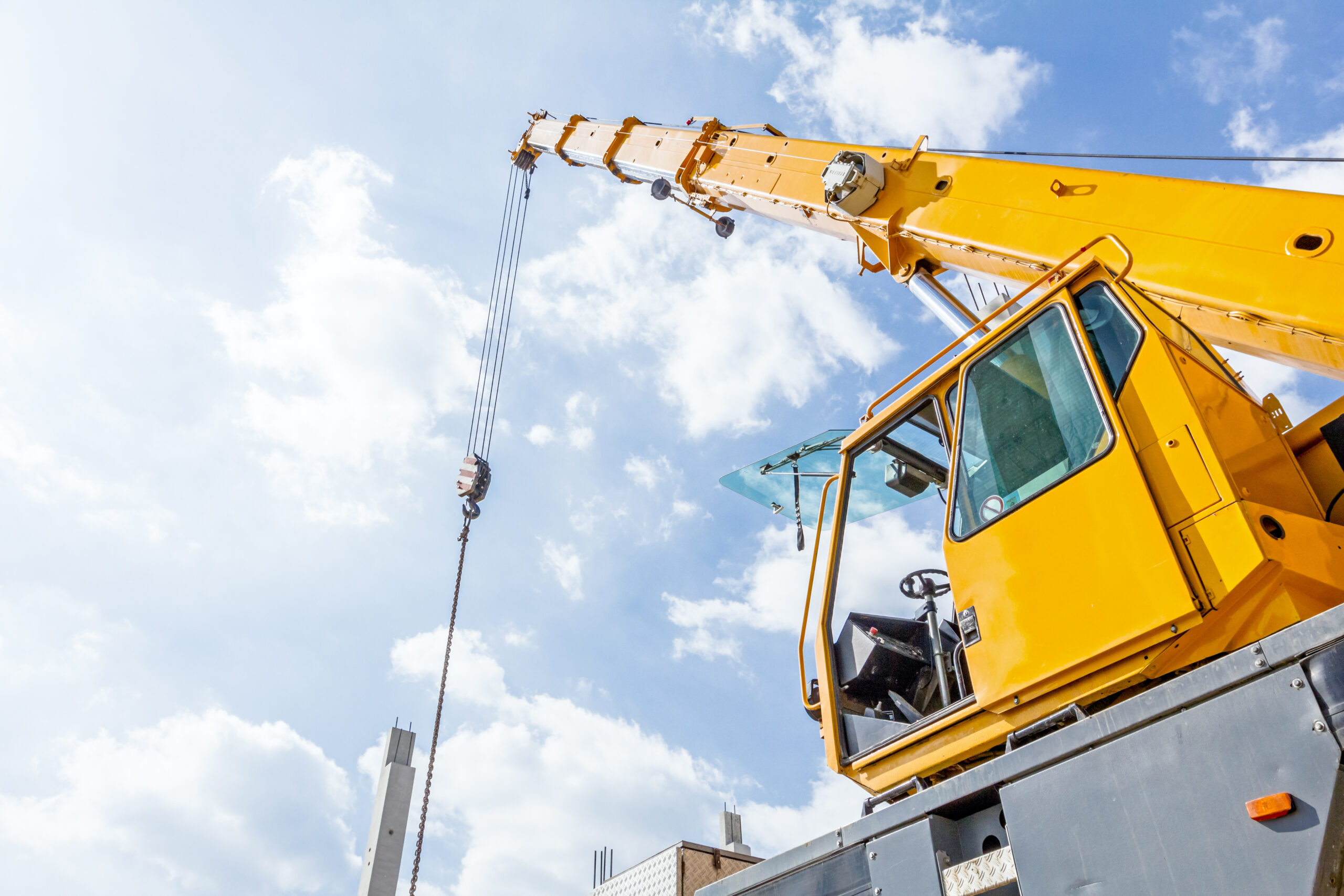
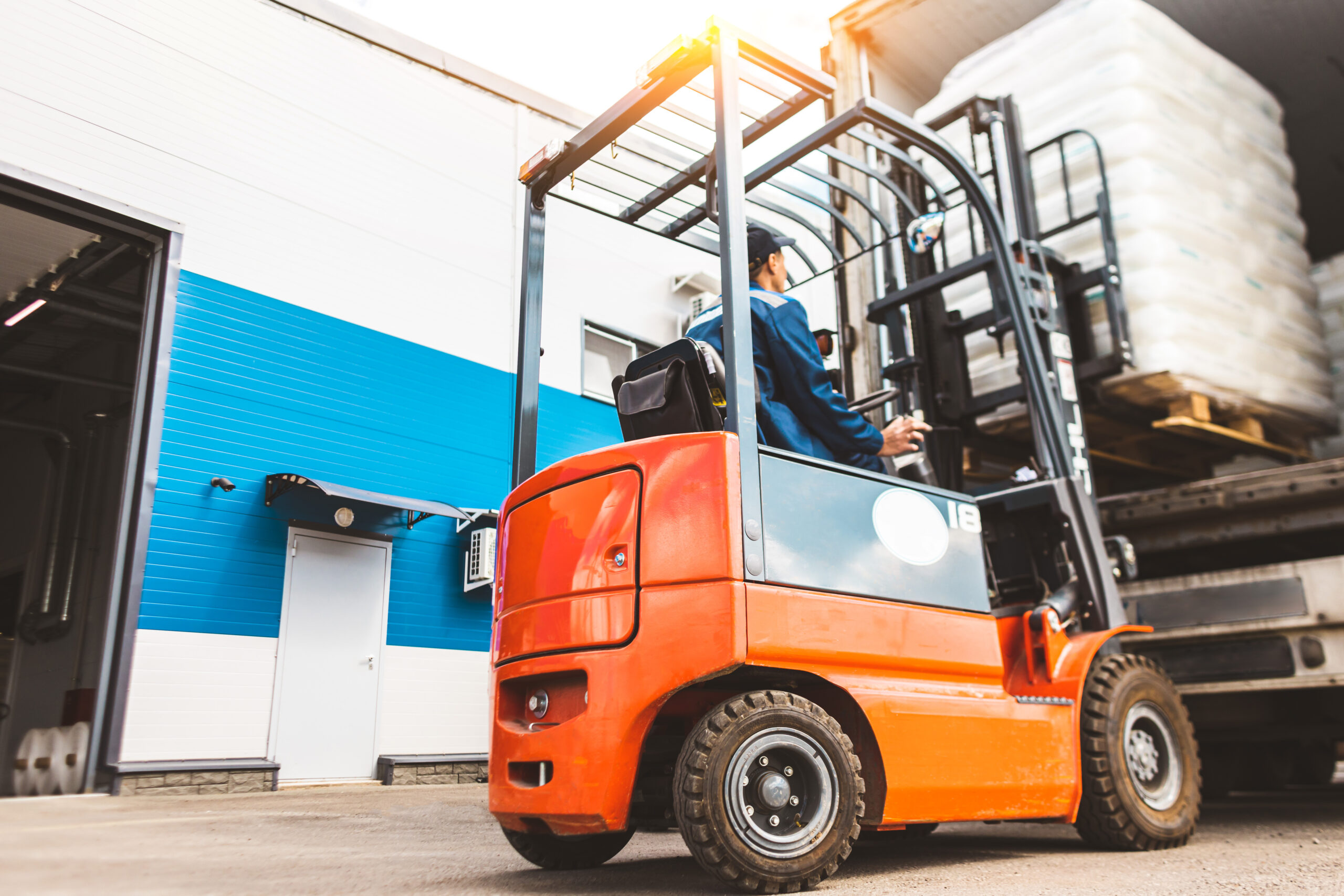
Not all forklifts and rigging tools are equal. Consider machine weight, footprint, center of gravity, and lifting points. For tight aisles, low headroom, or heavy picks, select forklifts with rigger booms or specialized attachments. For long moves on smooth floors, machinery skates and toe jacks may be efficient. For uneven surfaces or heavier point loads, rollers with larger contact areas may be safer. Battery electric forklifts reduce emissions indoors. If you need to lift over obstacles or through a roof hatch, plan for a crane with the right capacity and reach.
Tap flexible rentals when you need them
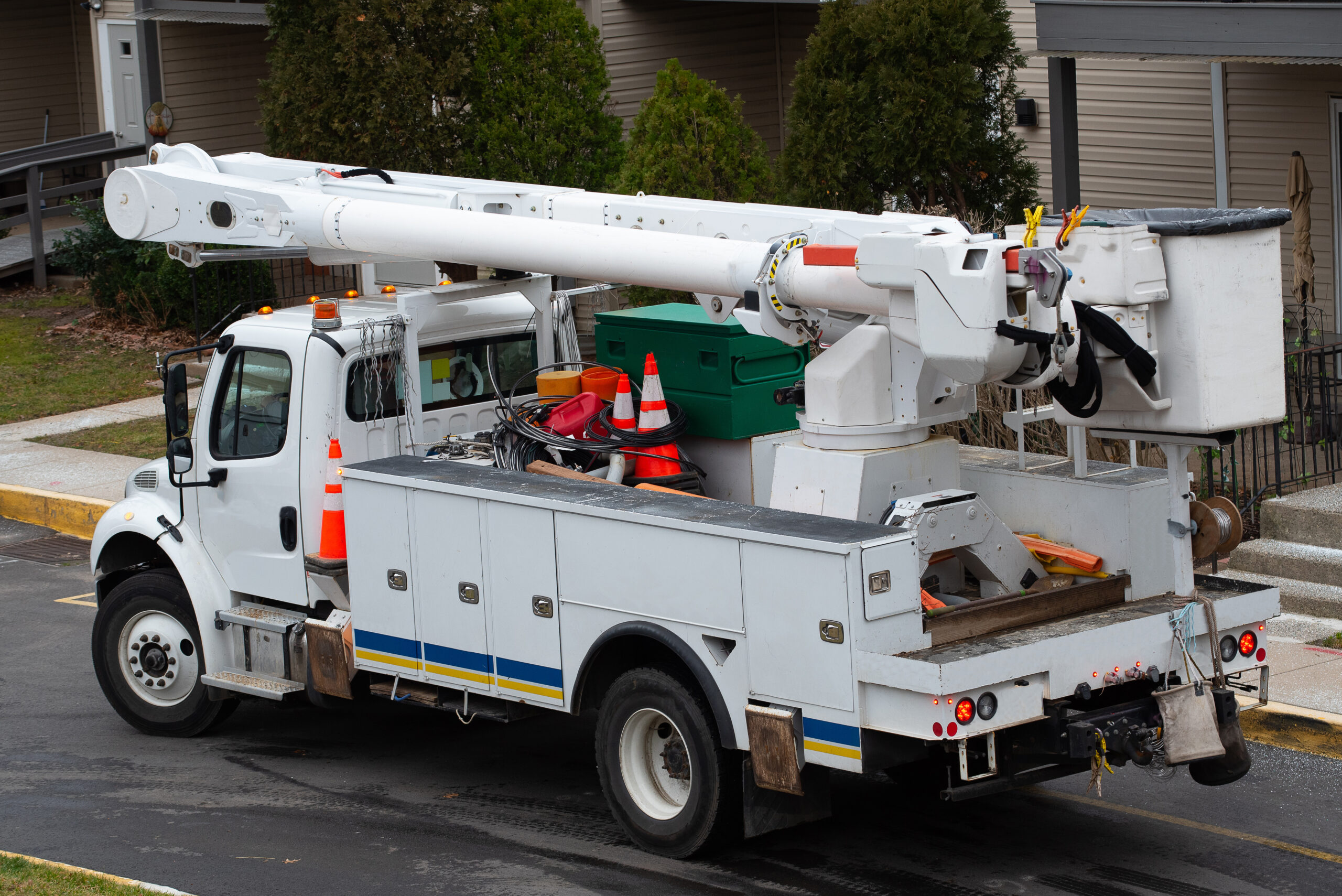
American Erecting & Ironworks offers rental forklifts with or without rigger booms, rough terrain telehandlers, and genie boom lifts. Contracts are available daily, weekly, monthly, or on extended terms through AEAIWI.COM. Late-model machines are maintained to high standards and can be paired with a trained crew to keep your move efficient and safe.
Bring a trained, certified team
Crews should be experienced with machinery moving and indoor rigging. NCCCO-certified crane operators and qualified riggers are essential for any lift work. A competent person should lead the job, run the pre-task plan, and manage spotters. Interior equipment moving services from American Erecting & Ironworks include crews that follow a documented safety system and site-specific plans.
Protect people, product, and property
Define exclusion zones
Set a clear envelope around the moving load where only the crew may enter. Use cones, tape, or portable barriers. Assign spotters with radios at blind corners and doorways. Post signs that indicate active moving operations and estimated completion time.
Use proper PPE and controls
Hard hats, safety glasses, high visibility vests, and steel toe footwear should be standard. If you are using propane or diesel indoors, monitor air quality and use additional ventilation. Confirm forklifts have audible alarms, horns, mirrors, and functional lights. For winching or towing, use tag lines to control swing and drift.
Protect inventory and infrastructure
Shield nearby racks with temporary guards. Cover delicate machines with moving blankets and plastic to protect from dust or drips. Remove or pad protrusions on the moving load that could catch sprinklers, conduits, or lights.
Plan the rigging and load stability
Locate and verify lifting points
Review the equipment manual for dedicated lifting lugs or fork pockets. If in doubt, contact the manufacturer. Do not lift from non-rated points. Confirm that bolts, eyebolts, and slings are rated and match the required working load limit. Inspect all rigging gear for wear, deformation, and certification tags.
Balance the center of gravity
Determine where the center of gravity sits relative to forks or rollers. Test lift a few inches to check balance before committing to a full move. For tall or top-heavy loads, reduce height by removing guards or subassemblies if possible. Consider a spreader bar to keep slings vertical and to avoid side loading.
Secure for travel
Once on skates or a forklift, secure the load with straps or chains as appropriate. Plan for controlled starts and stops. Avoid side pulls on slings or unexpected pivot points that could tip the load. Keep the path free of debris that could shift a roller or catch a dolly.
Control utilities and machine condition
Lockout tagout and de-energize
Before you move, follow a full lockout tagout procedure on electrical, pneumatic, hydraulic, steam, gas, and water connections. Verify residual energy is released. Cap or plug lines to prevent spills. Drain fluids if the manufacturer recommends it for transport.
Protect components for transport
Secure loose parts, tooling, and guarding. Lock moving axes where the manufacturer allows. Use transport brackets if supplied. Wrap sensitive surfaces to prevent scratches. Label cables and hoses for easy reconnection.
Prepare the destination
Verify the final location has the right voltage, phase, and amperage. Confirm air, coolant, or gas lines are installed and tested. Mark anchor points and inspect the foundation or floor pads. Having everything ready reduces idle time and repeated moves.
Schedule, downtime, and communication
Pick the right window
Coordinate with production so the move aligns with maintenance windows, shift changes, or weekends. American Erecting & Ironworks can work holiday and weekend hours to help your team minimize disruption. Build in float time in case of unexpected findings like a hidden floor defect or an obstruction.
Assign roles and a communication plan
Identify a single point of contact on both the client and contractor sides. Use radios with assigned channels. Brief the full team on hand signals, stop commands, and emergency procedures. Review a printed route map before work begins.
Day-of execution checklist
- Hold a pre-task briefing to review scope, hazards, route, and roles.
- Inspect equipment and rigging, confirm certifications, and record serial numbers.
- Verify permits, lockout tagout, and air monitoring plans are active.
- Set exclusion zones, signage, and spotter positions along the route.
- Install floor protection, ramps, and plates where planned.
- Test lift, confirm balance, and check for deflection or unexpected movement.
- Move at walking speed with smooth starts and stops.
- Pause at pinch points to reset spotters and reconfirm clearances.
- Set the equipment in place, verify level, and remove transport brackets.
- Complete a post-move inspection of floors, infrastructure, and the equipment.
After-move tasks that save time
Reconnect and recommission
Once the equipment is in place, reconnect utilities per your commissioning plan. Tighten anchors to the specified torque. Verify level and alignment to tolerances. Restore guarding and confirm interlocks. Power up and run a dry cycle before going live with product.
Document and debrief
Take photos of the final layout and update as-built drawings. Note any surprises and how they were addressed. This record makes future moves faster and safer. If you worked with a contractor, ask for their final report and recommendations.
When to bring in interior equipment moving services
Consider a specialized contractor when loads exceed your in-house capacity, the route crosses weak floors, clearances are tight, or the schedule is critical. Interior equipment moving services blend planning, rigging expertise, and the right tools to protect both people and property. American Erecting & Ironworks brings cranes, forklifts, rigging gear, and certified crews together under one roof so you do not have to coordinate multiple vendors.
Why choose American Erecting & Ironworks
Proven experience in Wisconsin and Northern Illinois
American Erecting & Ironworks is a second-generation, family-owned company based in Racine, Wisconsin. Incorporated on April 15, 1991, the team has over 30 years of experience supporting contractors, builders, and manufacturers across Racine, Kenosha, and Milwaukee counties, as well as parts of Lake County, Illinois. Their fleet includes late-model cranes, tractor-trailers, forklifts, telehandlers, and boom lifts. NCCCO-certified crane operators and trained rigging crews follow strict safety standards on every job.
Services that fit your move
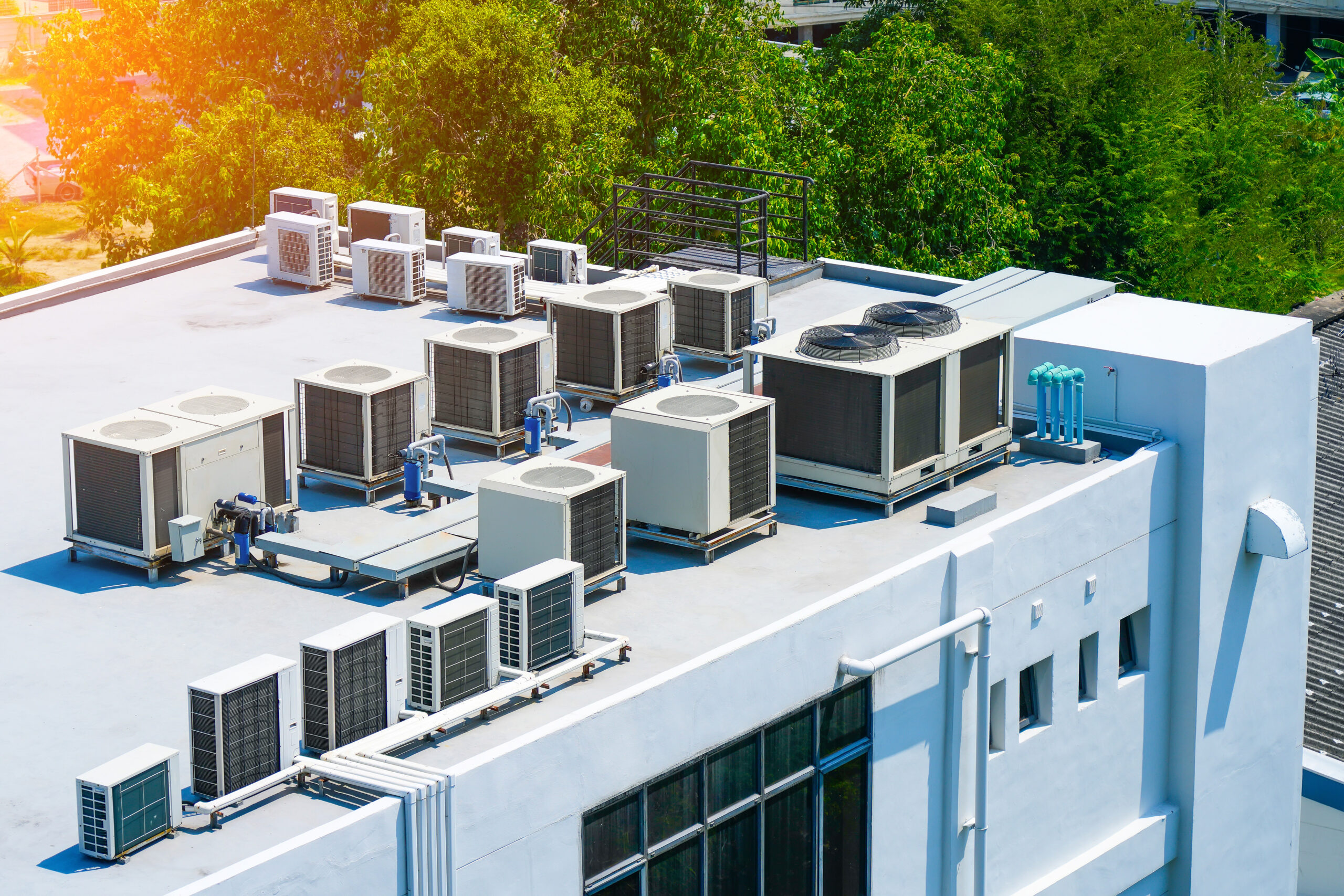
- Crane services for indoor picks, rooftop HVAC swaps, and heavy lifts that require reach and precision.
- Equipment rental for forklifts with or without rigger booms, rough terrain telehandlers, and genie boom lifts with flexible daily, weekly, monthly, or extended terms.
- Machinery moving that prioritizes safety, schedule, and minimal downtime, including holiday and weekend work windows.
- Steel sales for beams and columns in a range of sizes for projects across Wisconsin.
If you need a single machine repositioned or an entire line relocated, American Erecting & Ironworks can scale to your scope with the right mix of equipment and people.
Common pitfalls and how to avoid them
- Underestimating point loads. Always calculate concentrate loads on jacks, forks, and rollers, not just total weight.
- Forgetting the top half of the route. Map overhead clearances, not just floor space.
- Skipping floor protection. Small chips today can become big repairs next quarter.
- Relying on generic rigging points. Only use manufacturer-rated lugs and pockets.
- Ignoring air quality. Plan ventilation and monitoring when using combustion engines indoors.
- Rushing without spotters. Good spotters catch hazards the operator cannot see.
Your next step
Before your next move, walk the route with this checklist and note any gaps. If you want a partner who can plan and execute the work, American Erecting & Ironworks is ready to help. Their interior equipment moving services, crane support, and flexible rentals make it simple to stage, lift, and set heavy machines safely.
Contact American Erecting & Ironworks
Address: 2108 Clark St, Racine, WI 53403
Phone: (262) 637-7177
Hours: Monday through Friday, 7:00 AM to 4:30 PM
Visit AEAIWI.COM to request a quote, schedule a site walk, or learn more about crane services, equipment rentals, machinery moving, and steel sales. American Erecting & Ironworks is committed to safety, quality, and customer satisfaction on every project.
Wrap up
Moving equipment across a warehouse floor calls for more than horsepower. It demands planning, measurements, trained people, and the right tools. Confirm floor loads, prepare a clear route, line up permits and approvals, and choose a crew that understands the details. With interior equipment moving services from American Erecting & Ironworks, you can avoid delays and damage while keeping production on schedule. Use this checklist today and give your team the advantage of a safe and efficient move.