Choosing the right crane is about more than just picking a big machine. The crane size needed for your job depends on capacity, reach, and how the crane can be set up on your site. When you understand these factors, you can plan with confidence, control costs, and work safely. At American Erecting & Ironworks, we help contractors, builders, and manufacturers across Racine, Kenosha, Milwaukee, and parts of Lake County, Illinois select the right crane every day. This guide explains what actually determines crane size, gives a step-by-step approach to estimating what you need, and shares a quick checklist you can use before you call.
American Erecting & Ironworks is a second-generation, family-owned company in Racine, Wisconsin. We provide crane services, machinery moving, steel erecting, equipment rental, and steel sales. Our NCCCO-certified operators, late-model cranes, and flexible scheduling support safe, on-time projects. If you already have project details and want a fast quote, contact us at (262) 637-7177 or visit AEAIWI.COM.
The Core Factors That Decide the Crane Size Needed
1. Total Load Weight
The starting point is the total weight that the crane must lift. This includes the item itself plus all rigging gear and any attachments. Many people only think about the item. Do not forget spreader bars, shackles, slings, lifting beams, or a rooftop curb adapter for an HVAC unit. These add up and can change the crane size needed.
To estimate total load weight, gather the manufacturer’s weight for the item you are lifting, then add rigging. If exact rigging weight is not known, a safe planning number is often 5 to 15 percent of the item’s weight. A precise number is better, but a reasonable estimate helps you start the crane selection process.
2. Radius from Crane to Load
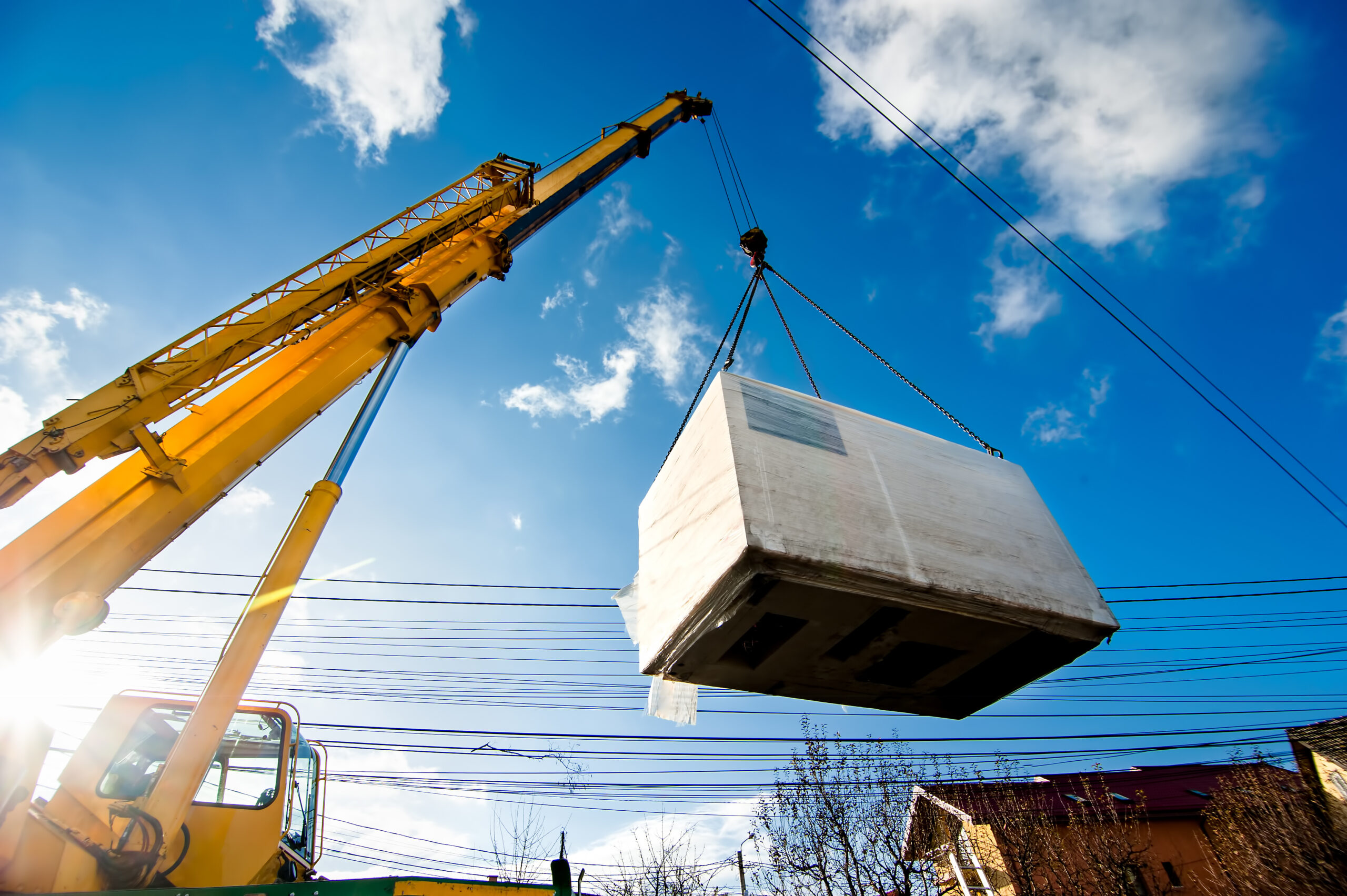
Radius is the horizontal distance from the center of the crane’s rotation to the center of the load at the moment of the pick. The longer the radius, the less the crane can lift. That is because the leverage against the crane increases with distance. Small increases in radius can require a much larger crane. This single factor drives many crane size decisions.
Measure the radius by finding the planned crane setup location and the exact pick point. Do not guess. Use site plans, tape, or a measuring wheel. Include setbacks, sidewalks, and required clearance from the building or street. If you move the crane closer, you may reduce the crane size needed. If you cannot get close, you may need a larger crane with more reach.
3. Height or Lift Elevation
Height matters when you have to set the load on a roof or up several stories. The boom must be long enough to reach up and out to place the load. In some cases you will also need a jib or luffing jib to reach over a parapet or other obstacles. Higher lifts at longer radii require larger cranes. This is where accurate site measurements help ensure the right boom length and accessories are selected.
4. Site Setup and Ground Conditions
A crane can only perform to its charted capacity when it is set up correctly on stable ground. Outriggers must be fully extended or set to a known position. Ground bearing pressure has to support the outrigger pads or crane tracks. Tight sites or soft surfaces can limit the crane’s configuration. That limitation can change the crane size needed or require ground mats, shoring, or a different crane type. Always plan the setup area early and consider how trucks, rigging crews, and the load will move safely on site.
Other Factors That Change the Crane Size Needed
Rigging Method and Pick Orientation
Rigging choice affects both total weight and headroom. For example, a spreader bar allows a straight lift but adds weight. A basket hitch may reduce headroom needed but changes sling angles. Sling angle also reduces capacity, which can drive a larger crane. Share your rigging plan when you request a quote so the right crane is assigned.
Obstructions and Clearance
Power lines, trees, parapets, and neighboring buildings affect setup and boom path. Clearance rules near electric lines and public streets can limit where you park the crane. Sometimes a luffing jib or different boom configuration is required, which may increase the crane size needed. An early site visit often finds a better setup spot that saves time and money.
Pick and Carry vs Stationary Lifts
Some cranes can move with the load. Others are meant for stationary picks only. Pick and carry work usually reduces the capacity allowed, which may require a larger crane or a different model like a carry deck or rough-terrain crane. Decide early whether you need to travel with the load or if a stationary lift with load set-down points will work.
Wind and Weather
Wind reduces safe capacity and can stop a lift. Long, flat loads like panels catch more wind. Winter brings ice and snow that add weight and affect ground stability. If your job is sensitive to weather, plan a capacity buffer or schedule a crane with enough margin to account for normal wind limits. American Erecting & Ironworks considers seasonal conditions common in Wisconsin and plans accordingly.
Duration and Number of Picks
Multiple picks in different locations can change efficiency. Sometimes using a slightly larger crane reduces the number of setups and saves a day of labor. The best crane is not always the smallest that can make the heaviest lift. The best choice balances capacity, reach, and total project time.
Permits, Streets, and Traffic Control
Street closures, sidewalk access, and permits can limit crane size and setup options. If your site requires lane closures or a police detail, plan those approvals early. Our team can help coordinate permits in Racine, Kenosha, and Milwaukee counties to keep your schedule on track.
Crane Types and How They Affect the Crane Size Needed
Truck-Mounted Hydraulic Cranes
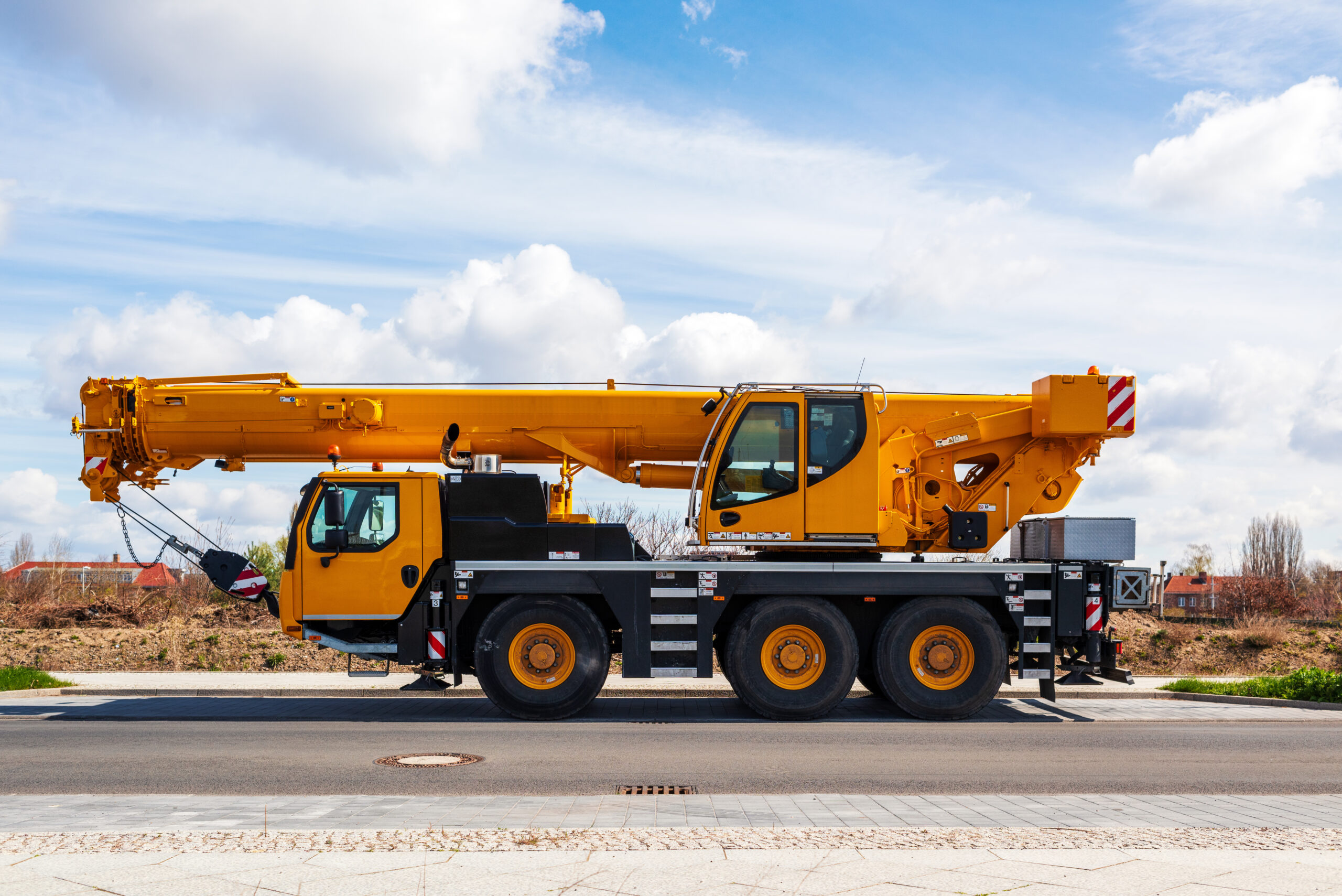
These cranes move quickly on roads and are ideal for urban jobs with short setup times. They deliver strong chart capacity at moderate radii. If your job needs a fast mobilization and you have limited site time, a truck crane may be the right fit.
All-Terrain Cranes
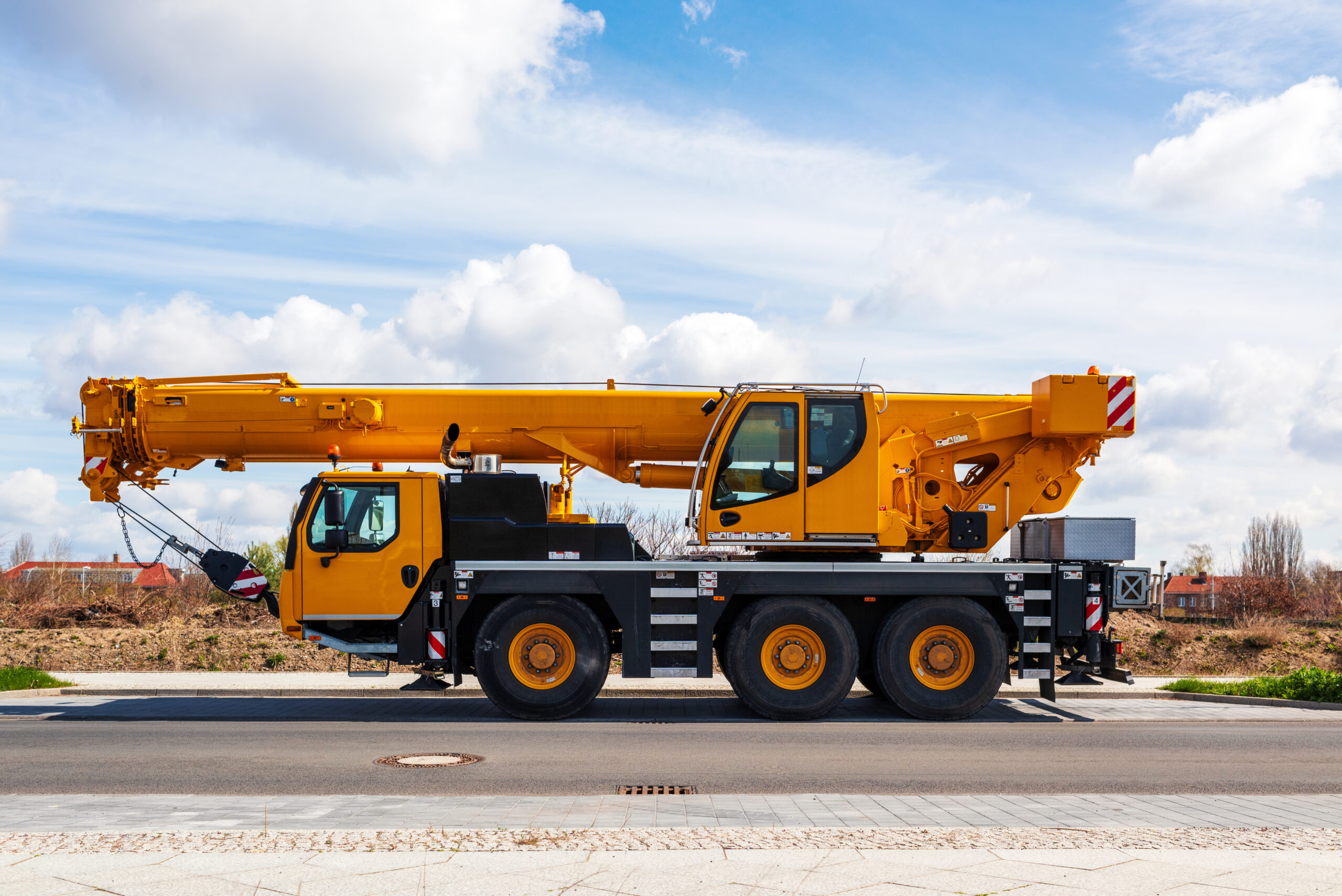
All-terrain cranes combine highway travel with off-road capability. They have long telescopic booms and strong charts at longer radii. For tall rooftops, heavy HVAC units, and city work where you still need reach, these cranes are common choices.
Rough-Terrain Cranes
Rough-terrain cranes are compact and maneuverable. They are great for plants, yards, and construction sites with uneven ground. They often work as support cranes for steel erecting and machinery moves inside large facilities.
Crawler Cranes
Crawler cranes excel on soft ground and for long-term projects. They offer strong capacity and can move with a load on tracks, which helps on large sites. Setup takes longer, but for heavy and repeated picks, a crawler can be efficient.
Carry Deck and Industrial Cranes
Carry deck cranes handle small loads in tight spaces and can carry materials on their deck. These cranes are common for plant maintenance and indoor machinery moving.
How to Estimate the Crane Size Needed in Five Steps
- Confirm the weight. Get the exact item weight from the manufacturer or plans. Add rigging and any adapters or frames to get total weight.
- Measure the radius. Mark the crane’s setup location and the pick point. Measure the horizontal distance. Include setbacks and clearance.
- Measure the height. Note the lift elevation and any obstacles that require extra boom length or a jib. Check parapets and roof screens.
- Assess the setup area. Verify ground conditions, space for outriggers, access for trucks, and power line clearance. Plan traffic control if needed.
- Share details and get a chart match. Provide your data to American Erecting & Ironworks. We will match your needs to a crane load chart and propose the safest, most efficient option.
Simple Example
Suppose you plan to set a 5,800 pound rooftop HVAC unit with a curb adapter that adds 500 pounds. Rigging and a spreader bar add another 600 pounds. Total load is 6,900 pounds. The building setback means the crane sits 35 feet from the wall. The unit sets 20 feet from the wall, so the working radius is about 55 feet. The roof height is 40 feet, and a 4-foot parapet is present. Given that radius and height, you will need a crane with enough boom length to clear the parapet and enough chart capacity at 55 feet to lift at least 6,900 pounds with a safety margin. In many cases this points to a medium all-terrain or truck crane with the right boom and jib configuration. Your exact pick may also depend on outrigger position and site access. Our team reviews all details to confirm the correct crane size needed and any rigging changes that may help.
Common Projects and Typical Considerations
HVAC Unit Changeouts
These lifts often involve long radii due to building setbacks and parking lots. Key items include unit weight, curb adapters, and roof heights. Weekend scheduling can reduce disruptions for businesses. American Erecting & Ironworks regularly sets rooftop units across Southeastern Wisconsin and can coordinate with your HVAC crew.
Steel Beams and Columns
Structural steel picks may require multiple lifts and precise placement. Rigging options and sling angles matter. Our steel erecting experience helps plan safe sequences that reduce resets and speed up the job.
Precast Panels and Trusses
Large surfaces catch wind. Check wind limits and plan buffers. Tag lines and experienced signal persons are essential. We supply the right crane, rigging plan, and certified operators to manage these sensitive lifts.
Machinery Moving and Plant Work
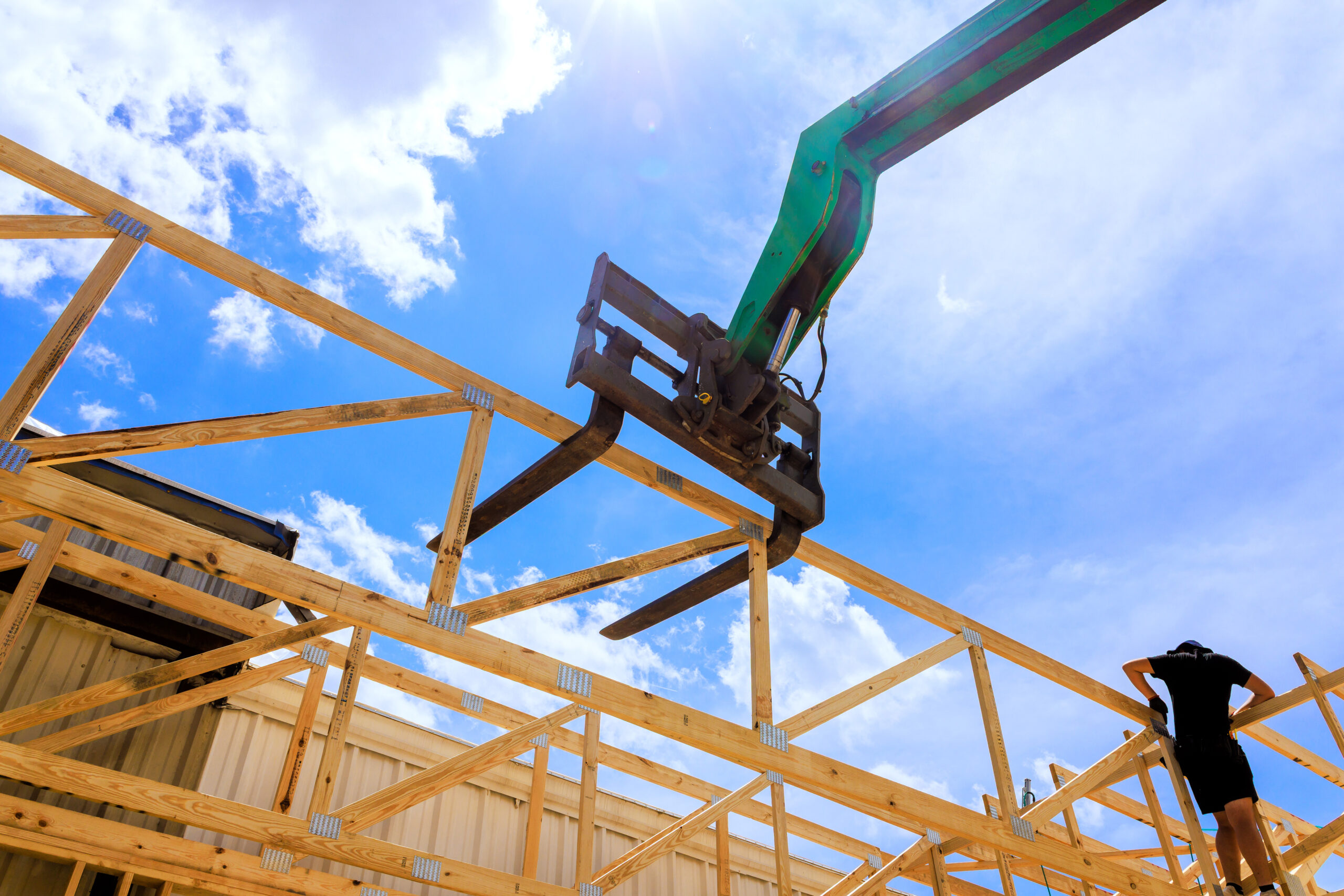
Inside plants or tight lots often call for compact cranes or forklifts with rigger booms. American Erecting & Ironworks offers machinery moving and can combine cranes, forklifts, and telehandlers to relocate equipment with minimal downtime. We also schedule off-hours, including holidays and weekends, to match your production needs.
Why Crane Load Charts Matter
Every crane has a load chart that shows the capacity at different radii, boom lengths, and configurations. Charts also show when outriggers can be set mid-span or must be fully extended. A crane that can lift 40,000 pounds at a short radius may only lift a fraction of that at a longer radius. That is why accurate measurements are critical. Our team reads charts daily and selects cranes that meet real conditions, not just best-case numbers.
How American Erecting & Ironworks Makes It Easy
When you contact American Erecting & Ironworks, we ask focused questions about weight, radius, height, obstacles, and schedule. If needed, we visit the site to confirm measurements and ground conditions. We then recommend the crane size needed and provide a clear plan that includes rigging, setup, traffic control if required, and a timeline. Our late-model fleet includes mobile cranes, tractor-trailers, forklifts, and rough-terrain telehandlers. Our operators are NCCCO certified and follow strict safety standards.
We also offer equipment rentals, including forklifts with or without rigger booms, rough terrain telehandlers, and genie boom lifts on daily, weekly, monthly, or extended terms. For builders who need steel, we supply beams and columns in various sizes within Wisconsin. From one-time HVAC picks to full plant relocations, we deliver efficient solutions backed by more than 30 years of experience. Learn more at AEAIWI.COM.
Quick Checklist to Define the Crane Size Needed
- Item weight from manufacturer or drawings
- Rigging and accessory weight estimate
- Measured radius from crane to set point
- Lift height and any parapets or screens
- Obstacles like power lines, trees, or adjacent buildings
- Ground conditions and outrigger footprint space
- Street or lane closure needs and permit status
- Preferred schedule and backup weather dates
- Rigging method, sling angles, and headroom needs
- Contact person on site and delivery sequence
Frequently Asked Questions
How close does the crane need to be to the building?
Closer is usually better. Shorter radius increases capacity and may allow a smaller crane. If site limits keep the crane farther away, we can often adjust with a different boom configuration or a larger crane. We will help you weigh cost and access tradeoffs.
Do I need a permit for the crane?
If you set up in the street, on a sidewalk, or need lane closures, a permit is often required. Some cities also require a traffic control plan. American Erecting & Ironworks helps coordinate permits in Racine, Kenosha, and Milwaukee counties so you avoid delays.
What if my site is tight or the ground is soft?
We can use ground mats, change outrigger positions, or choose a crane better suited to the surface. In some cases, a smaller crane with more setups is safer than forcing a large crane into a tight spot. A site walk is the best way to decide.
How early should I schedule?
For typical single-day picks, schedule at least one to two weeks ahead. Complex lifts, street closures, or long durations need more time. Call sooner during peak seasons to reserve the crane size needed for your dates.
Can you move machinery inside my facility?
Yes. We provide machinery moving along with forklifts, rigger booms, and compact cranes. Our team plans routes, protects floors, and works off-hours to reduce impact on your operations.
What happens if the wind is high on the day of the lift?
We follow the crane manufacturer’s wind limits and our safety policy. If wind conditions exceed the limit, we pause or reschedule. This is one reason to plan a weather window and build a safety margin into the crane selection.
About American Erecting & Ironworks
American Erecting & Ironworks has served Southeastern Wisconsin since 1991. We are a family-owned company based in Racine with deep roots in crane services, machinery moving, and steel erecting. Our team supports contractors, builders, and manufacturers across Racine, Kenosha, Milwaukee, and parts of Lake County, Illinois. We maintain a late-model fleet of cranes, tractor-trailers, forklifts, telehandlers, and boom lifts. Our operators are NCCCO certified and committed to safe, efficient work.
Address: 2108 Clark St, Racine, WI 53403. Phone: (262) 637-7177. Hours: Monday through Friday, 7:00 AM to 4:30 PM. Visit AEAIWI.COM to request a quote or learn more about our crane services, equipment rentals, machinery moving, and steel sales.
Plan Your Lift With Confidence
The right crane size needed for your job comes from clear facts. Know the weight, radius, height, and setup conditions. Consider rigging, weather, and access. Then match those details to a crane that can do the work safely and efficiently. If you want help gathering measurements or reading load charts, the American Erecting & Ironworks team is ready to assist. We can review your drawings, visit your site, and provide a plan that protects your schedule and budget.
Call us at (262) 637-7177 or visit AEAIWI.COM. Tell us about your job, and we will recommend the crane size needed, the best setup, and a timeline you can count on. With our experience and commitment to safety, you will get a smooth lift from planning to set-down.