Why the Right Gear Matters
Wrong lifting equipment can cause delays, damage, and injuries. Learn the warning signs and what to use instead to protect your crew and budget. American Erecting & Ironworks created this guide to help crews across Racine, Kenosha, Milwaukee, and nearby Lake County in Illinois choose the right tool and avoid costly mistakes.
Picking the right crane, forklift, telehandler, rigging, or lift attachment is not just a nice to have. It drives safety, schedule, and cost. The right match makes a lift feel smooth and predictable. The wrong match feels tense and risky. If something seems off during setup or the first test pick, you might be using the wrong lifting equipment. Below are the signs to watch for, the fixes that work, and how the team at American Erecting & Ironworks can help.
Top Warning Signs You Have the Wrong Lifting Equipment
Capacity and Configuration Red Flags
Most lifting issues start with capacity and configuration. A lift that strains the machine or rigging is a warning you should not ignore. If you see any of these, pause and reassess before continuing.
- Load chart is too close to the limit at your planned radius or boom length
- Outrigger configuration required by the lift plan cannot be set on the site
- Counterweight or jib needed for the lift is not available or allowed by the setup
- Crane or forklift feels unstable as the load comes off the ground
- Load cannot be boomed up or down without exceeding safe angles
- Ground bearing pressure exceeds what the surface can support
Any time safety factors vanish, you are using the wrong lifting equipment. Either the machine is undersized, the configuration is off, or the site needs a different approach.
Rigging and Attachment Warnings
Even the best crane fails with bad rigging choices. Watch for rigging signs that point to a mismatch.
- Shackles, hooks, or slings are at or near their working load limit
- Sling angles are too tight, putting extra force on the slings and hardware
- The load tips or rotates because the center of gravity is not controlled
- Tag lines cannot control swing or spin due to load shape or wind
- Basket hitches cause crushing or bending where a spreader bar is needed
- Chain slings risk damage to painted or delicate surfaces that need soft slings and wear pads
If rigging is overstressed or the wrong style for the load, the setup is wrong. Change the rigging plan or the equipment.
Site and Setup Issues
The work area often reveals whether the equipment suits the job. Take a hard look at space, access, and ground conditions.
- Limited clearance keeps you from placing outriggers or leveling the machine
- Soft ground, gravel, or unknown fill does not support point loads or tire loads
- Power lines, roofs, or trees block safe boom angles or swing radius
- Narrow aisles prevent forklifts from turning with the load
- Door openings are too low for the mast or boom to pass through
When the site fights the machine at every step, that is a signal the wrong lifting equipment is on the job.
Operator and Crew Indicators
Experienced operators feel when a lift is not right. Trust those instincts.
- NCCCO operator voices concerns about stability or control
- Riggers need to add multiple quick fixes to make the load pickable
- Signal person reports poor sight lines and asks for extra spotters
- Simple lifts take too many steps or resets to complete
- Crews avoid certain moves because they feel unsafe
When the team is on edge, the solution is to change equipment or the plan, not push through.
Load Behavior Red Flags
While the load is in motion, its behavior tells the truth. Watch the load and stop if any of the following show up.
- Load drifts, swings, or spins out of control despite tag lines
- Material bends or deforms under its own weight
- Hardware creaks or slings bite into edges
- The hook block rides at an odd angle, showing an off-center rig
- Load shifts as it clears the ground, proving the center of gravity was misjudged
These are classic signs of wrong lifting equipment or an incorrect rigging method.
Paperwork and Planning Gaps
Planning gaps are a subtle warning that the lift may be mismatched to the gear.
- No engineered lift plan for heavy or critical lifts
- Missing load chart or rigging certificates
- No wind limits or weather thresholds listed
- No site plan for traffic control, exclusion zones, and pick points
A strong plan helps prevent wrong lifting equipment from reaching the job in the first place.
What to Use Instead: Smart Substitutions
Once you spot the warning signs, swap to the right tool. Below are smart alternatives that crews across Wisconsin use to keep projects safe and on schedule.
- If the crane is near capacity at radius, choose a larger crane or reposition to reduce the radius
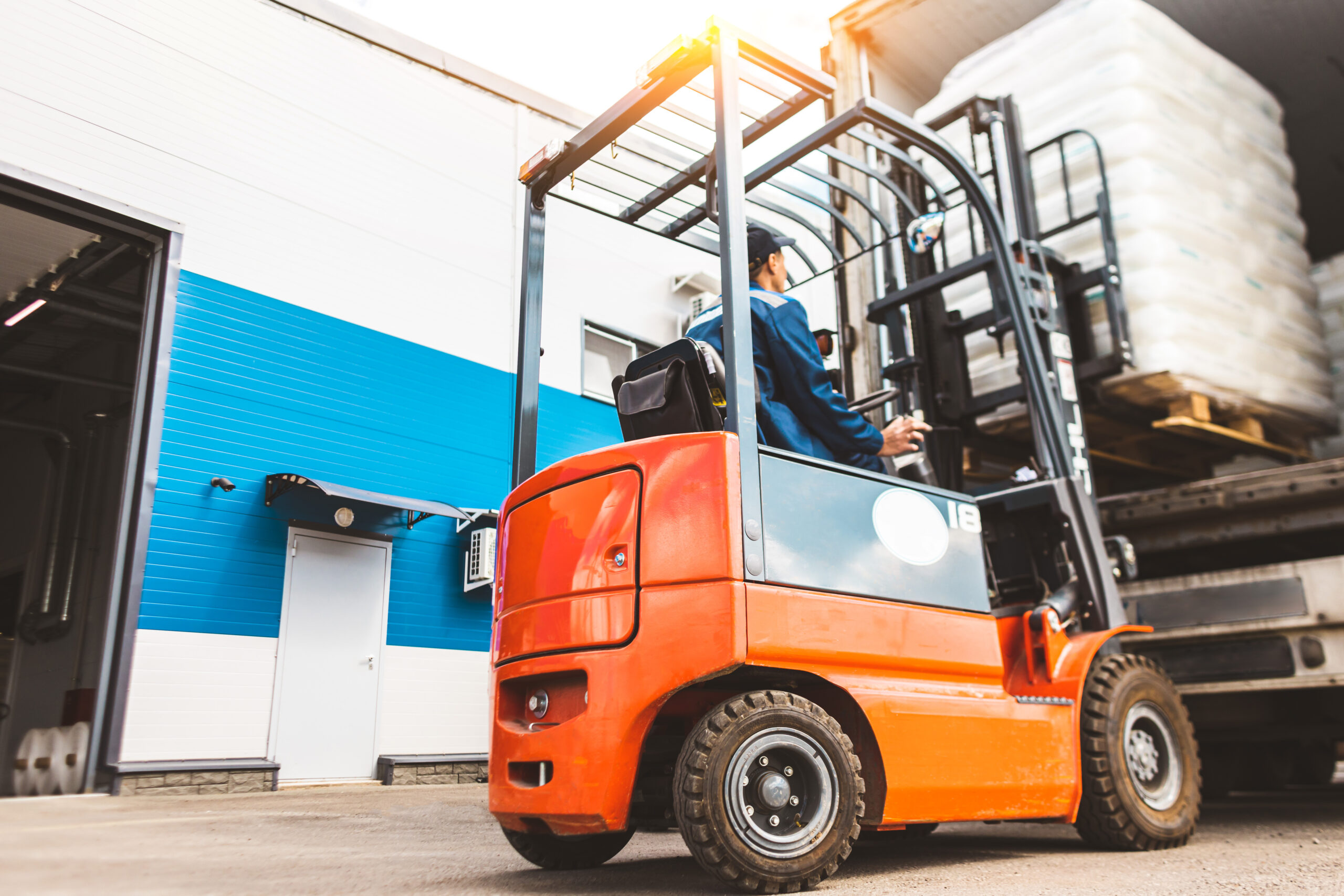
- If the forklift mast is too tall or lacks reach, switch to a rough terrain telehandler with the right capacity and boom
- If loads are long or flexible, use a spreader bar or lifting beam instead of a tight basket hitch
- If the load has finished surfaces, pick synthetic slings with wear pads instead of chain slings
- If stability is in question, move to full outrigger spreads and cribbing, or choose a crane with higher ground bearing capacity
- If access is tight, consider a compact crane, machinery skates, or a rigger boom on a forklift for short, controlled moves
- If wind is an issue for panels or large surfaces, reschedule or add a tagline plan and a spreader to reduce sail area rotation
- If the center of gravity is hard to control, rig a two pick point spreader system with adjustable slings
American Erecting & Ironworks can outfit your job with late model cranes, forklifts with or without rigger booms, rough terrain telehandlers, and genie boom lifts. Our team helps you match the tool to the lift so you avoid downtime and rework.
Quick Field Checklist to Prevent Costly Mistakes
Use this fast checklist before every pick to reduce risk and avoid wrong lifting equipment.
Pre-Lift Planning
- Confirm actual load weight with documentation or scale
- Measure pick radius, boom length, and height clearances
- Review the crane or telehandler load chart for the planned configuration
- Select rigging with capacity above the total load and angle forces
- Plan the load path, exclusion zone, and signal method
Site Setup
- Verify ground bearing capacity and set cribbing or mats
- Check for overhead obstructions and power line clearance
- Set outriggers to the required extension and level the machine
- Stage tag lines, edge protectors, and backup rigging as needed
- Hold a lift briefing so everyone knows the plan and stop signals
Test Pick
- Tension the rig at low height to confirm balance and center of gravity
- Watch for sling angle changes, hardware seating, and load rotation
- Confirm all controls respond smoothly without overload alarms
- Abort if any instability or unexpected movement appears
- Adjust rigging or equipment before proceeding with the full lift
Common Projects and the Best Lift Choice
Here are frequent job types in our region and the equipment that fits best. Choosing the right match helps avoid wrong lifting equipment problems.
- Rooftop HVAC units: Truck crane with enough capacity at the set radius, spreader bar for even load distribution, and tag lines for control in light wind
- Moving CNC machines: Forklift with rigger boom or a small carry deck crane, machinery skates, and low profile rigging for doorway clearance
- Setting steel beams: Mobile crane sized for boom length and radius, proper chokers or beam clamps, and a spreader if beams are long or flexible
- Plant relocations: Mix of forklifts, telehandlers, and truck cranes with a detailed sequence plan to reduce downtime
- Glass or panel installs: Crane with a spreader and vacuum lifter if required, plus strict wind limits and two tag lines
- Warehouse racking or equipment swaps: Telehandler or forklift sized for aisle width, fork extensions as needed, and a spotter for blind picks
Not sure which path to take. American Erecting & Ironworks will walk the site, verify measurements, and propose a safe and cost effective plan.
How American Erecting & Ironworks Can Help
American Erecting & Ironworks is a second generation, family owned company based in Racine, Wisconsin. Since our incorporation on April 15, 1991, we have supported contractors, builders, and manufacturers across Racine, Kenosha, and Milwaukee counties, plus parts of Lake County, Illinois. When the stakes are high, you want a partner who brings experience, equipment, and a safety first mindset.
Crane Services
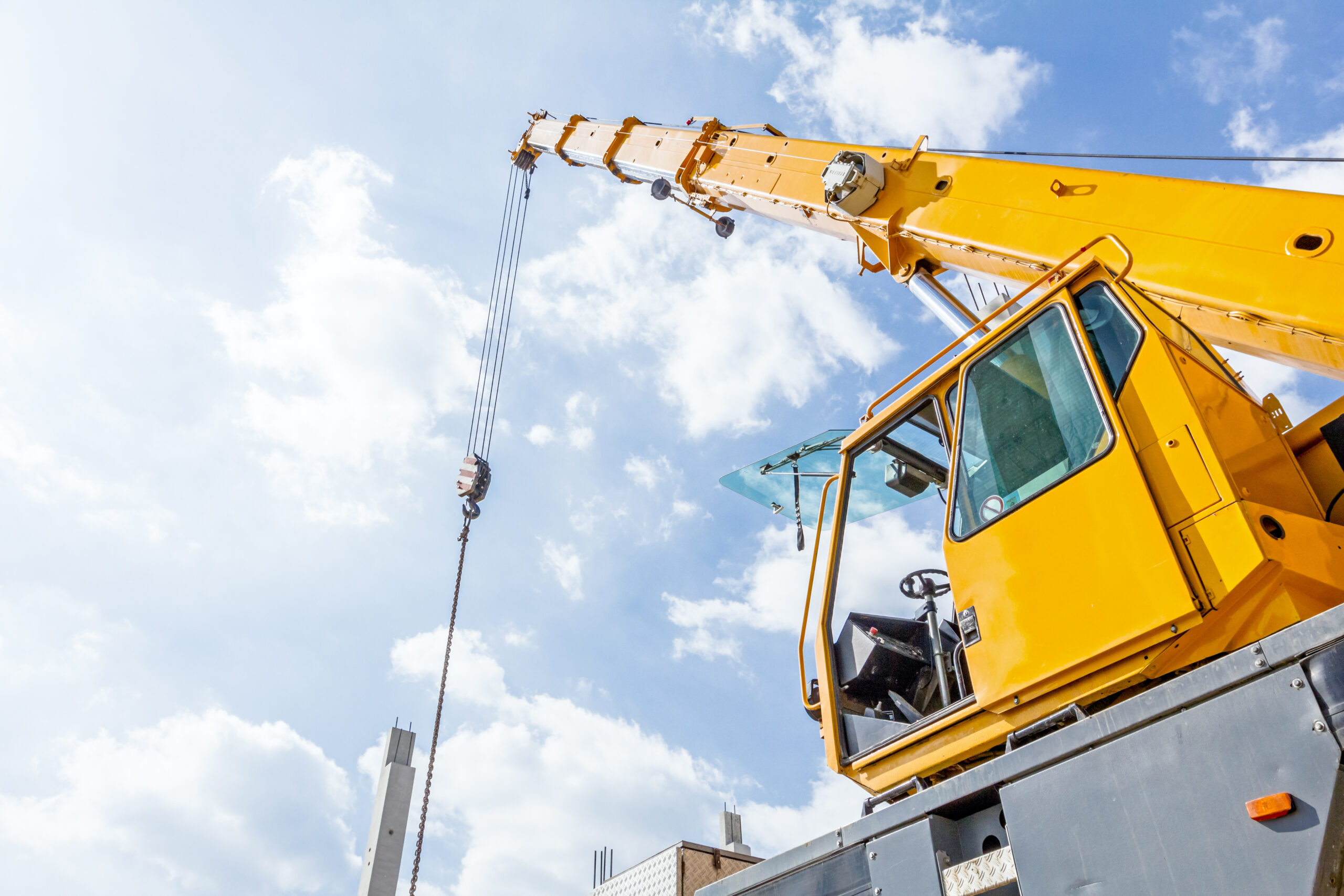
Our late model crane fleet handles everything from small HVAC picks to complex plant work. NCCCO certified operators follow strict safety standards, read the load chart with care, and communicate clearly. If your current plan risks wrong lifting equipment, we will recommend a safer configuration or a different crane to reduce risk and save time.
Equipment Rental
We rent forklifts with or without rigger booms, rough terrain telehandlers, and genie boom lifts. Contracts are flexible with daily, weekly, monthly, or extended terms. Every unit is well maintained so you can avoid breakdowns and misfits. If you need to switch equipment mid job to correct a mismatch, we respond fast.
Machinery Moving
We specialize in relocating heavy machinery with a focus on safety and minimal downtime. Our crews work around your schedule, including holidays and weekends, to help you meet production goals. We plan each move so you do not end up fighting tight corners, low doors, or unstable picks. That is how you avoid wrong lifting equipment during critical moves.
Steel Sales
We supply steel beams and columns in a range of sizes for building projects throughout Wisconsin. One vendor for steel and lifting means fewer delays and better coordination on site.
From the first phone call to the final set, American Erecting & Ironworks keeps the job moving and the crew safe. You can reach us at (262) 637-7177 or visit AEAIWI.COM.
Service Area and Availability
We serve Racine, Kenosha, and Milwaukee counties in Wisconsin, as well as parts of Lake County in Illinois. Our address is 2108 Clark St, Racine, WI 53403. Office hours are Monday through Friday, 7:00 AM to 4:30 PM. If you are facing tight deadlines or off hour needs, let us know. We often schedule lifts and moves on weekends and holidays to cut downtime.
FAQs: Avoiding the Wrong Lifting Equipment
What happens if we lift with gear that is too small
You risk tip overs, dropped loads, and structural damage to the machine or the building. Even if nothing breaks, a stressed lift slows down and drives up costs. If you suspect wrong lifting equipment, stop and reassess. The fix is almost always cheaper than the fallout.
How do we size a crane the right way
Start with verified load weight, then measure radius, height, and any obstructions. Check the crane’s load chart for that exact setup, including outriggers and counterweights. Add space for rigging weight and spreader bars. Build in margin so you are not working on the edge. American Erecting & Ironworks can run these numbers and propose the right crane.
When is a telehandler better than a forklift
Use a telehandler when you need reach and height in rough or uneven areas. Choose a forklift when you need tight maneuvering indoors with steady floors. If you are unsure, we can match the machine to your aisles, doorways, and load size.
Do I need a spreader bar
Use a spreader bar when sling angles get too tight, when a basket hitch would crush the load, or when you must pick from multiple points to control the center of gravity. A spreader often turns a risky pick into a smooth one.
How does wind change my plan
Wind adds sail force to panels, ducts, and any broad surfaces. Follow the crane and attachment wind limits. If wind picks up, reschedule or add tag lines and a spreader to control rotation. No schedule gain is worth a dropped load.
What paperwork do I need
For heavy or critical lifts, prepare a lift plan with site layout, load path, and communication signals. Include load charts, rigging certifications, and ground bearing calculations. This is best practice and helps you avoid wrong lifting equipment long before setup.
Can American Erecting & Ironworks help after hours
Yes. We plan around your production and can schedule night, weekend, or holiday work to keep your facility online. Call (262) 637-7177 to coordinate.
Get a Safer, Faster Lift Today
If any of the warning signs above sound familiar, you may be using the wrong lifting equipment. Do not push through and hope it works. The smarter move is to adjust early. American Erecting & Ironworks will visit your site, confirm measurements, and recommend the right crane, telehandler, forklift, or rigging for the job. We prioritize safety, protect your schedule, and help you avoid budget surprises. Call us at (262) 637-7177, stop by 2108 Clark St, Racine, WI 53403, or visit AEAIWI.COM to request a quote. Keep your team safe and your project on track with the right lift, the first time.