Machinery moving risks increase when teams skip planning, use the wrong equipment, or miss a small detail that causes big damage. Whether you are relocating a single CNC or an entire production line, the right questions up front can save you from costly delays and repairs. Use this guide to build a clear plan, protect your assets, and keep your operation on schedule. If you want a partner that treats your equipment like their own, American Erecting & Ironworks is here to help across Racine, Kenosha, Milwaukee, and parts of Lake County, Illinois.
Start With the Big Picture Plan
What does success look like for this move?
Define your goals before you touch a wrench. Do you need zero unplanned downtime, a specific go-live date, or validation that the machine can hit production targets after the move? Clear success criteria prevent scope creep and guide all decisions that follow.
Who owns the process and the timeline?
Assign a single point of contact who can make decisions and coordinate vendors, facilities, maintenance, and production. Confirm the work window and any blackout dates. If you need holiday or weekend hours to cut downtime, note that early and lock them in. American Erecting & Ironworks routinely schedules machinery moves during off-shifts, holidays, and weekends to reduce disruption.
What are our top machinery moving risks?
List the risks that could cause damage, delay, or cost overruns. Common risks include hidden center of gravity issues, floor loading limits, narrow doorways, overhead obstructions, weather, power line conflicts, and unclear responsibilities for disconnection or reconnection. Prioritize these and assign mitigations to each.
Assess the Machine Itself
What are the exact weight, dimensions, and center of gravity?
Verified specs make or break a safe move. Confirm weight with manufacturer data or a scale. Measure height, width, length, and confirm tipping hazards. Map the center of gravity and note offset loads like enclosures or coolant tanks that can shift. Accurate data ensures the right forklift, crane, and rigging plan.
Where are the approved lifting or tie-down points?
Never guess lift points. Check the manual and labeling on the machine. If needed, consult the manufacturer for approved sling or fork locations. If lifting lugs or spreader bars are required, verify their ratings and bolt-on specifications.
Have all fluids and loose items been secured?
Drain or secure lubricants, coolant, hydraulic fluid, and fuel where required. Remove tooling, chip pans, parts bins, and guards that could come loose. Secure covers and doors so they cannot swing. Sensitive components may need to be braced or crated. Shrink wrap, protective film, and edge protection help prevent scratches and dust intrusion.
Are there special handling instructions from the OEM?
Review the manual for transport guidance. Some machines require axis locks, spindle locks, or mechanical braces. Others have angle limits, shock limits, or moisture limits. If the OEM offers a move checklist, use it. Add shock or tilt indicators to high-value components to verify safe handling.
Is the machine mechanically ready for power-down?
Plan safe power-down, lockout, and stored energy release. Identify batteries, capacitors, hydraulic accumulators, springs, and pneumatic reservoirs. A clean disconnect helps prevent component damage and eases recommissioning later.
Evaluate the Origin and Destination
Is the travel path clear and rated for the load?
Survey the entire route from the current location to the truck, then from the truck to the new bay. Check floor ratings, slab condition, ramps, thresholds, and slopes. Tight turns, low mezzanines, sprinkler lines, lights, and pipe racks can all cause strikes. If floor capacity is uncertain, involve a structural engineer. American Erecting & Ironworks routinely performs route surveys to prevent surprises.
Will the machine fit through doors and around corners?
Measure all openings. Check door width and height, overhead clearances, and hallway widths. Verify elevator capacity and dimensions if applicable. Sometimes a partial disassembly saves time and risk compared to forcing a tight fit.
Are exterior conditions safe for staging and crane work?
Inspect parking lots, loading docks, and access roads. Confirm the ground can support crane outriggers and trailer loads. Identify underground utilities and overhead power lines. Plan traffic control if needed. Weather can increase machinery moving risks, so have wind and storm thresholds as part of your go or no-go plan.
Is the destination pad and foundation ready?
Confirm that the new location has the right foundation thickness, anchor bolt layout, and vibration isolation. Plan for grouting, leveling, and laser alignment. If you need a new steel base or support structure, American Erecting & Ironworks can supply steel beams and columns within Wisconsin to support your install plan.
Are utilities prepared and labeled?
Verify voltage, phase, amperage, and grounding. Confirm air, water, gas, and drain connections. Tag lines and label panels so reconnection is fast and correct. Clarify who handles disconnection, capping, and reconnection to avoid unsafe conditions or delays.
Plan the Rigging and Lifting
What is the correct equipment for this lift?
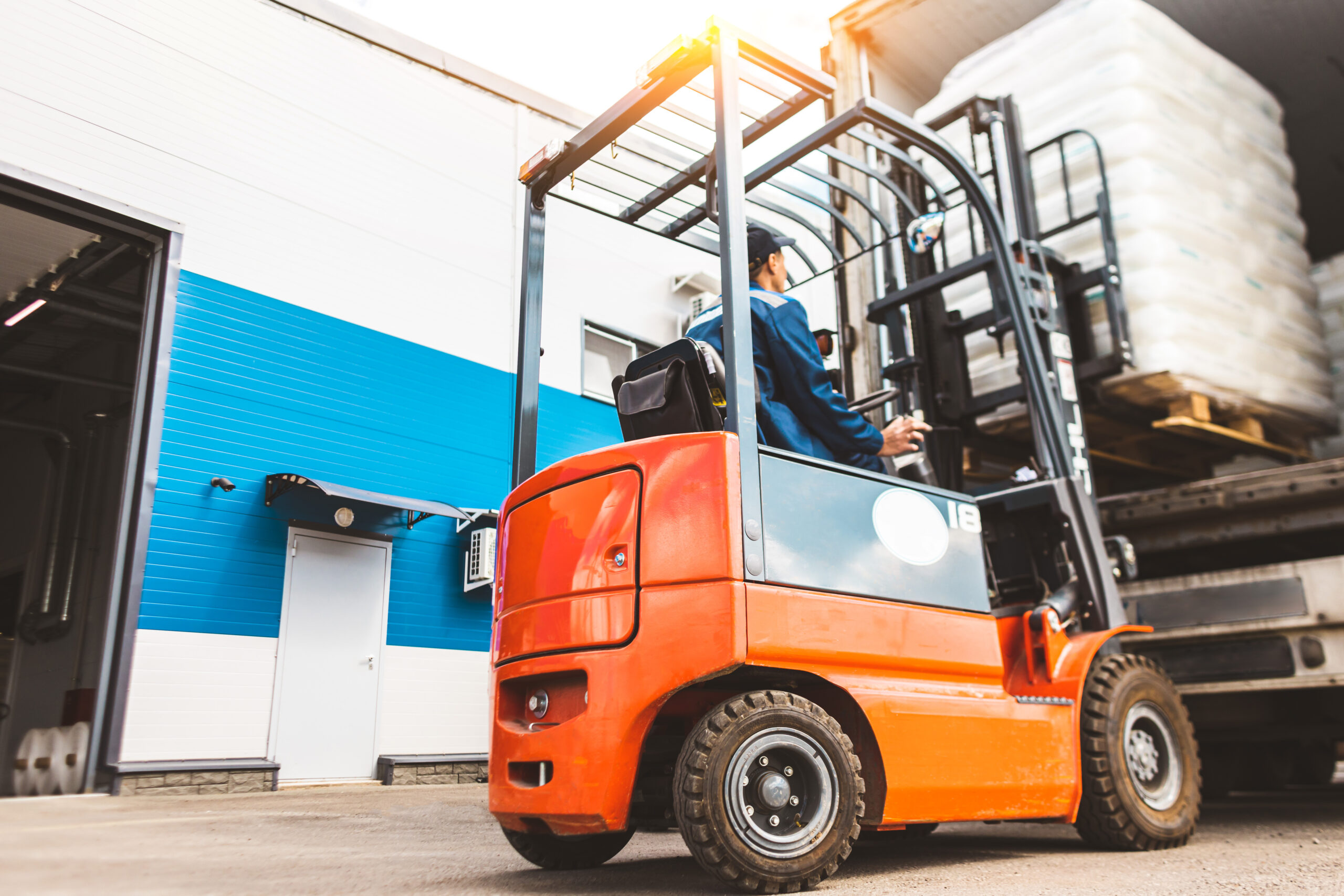
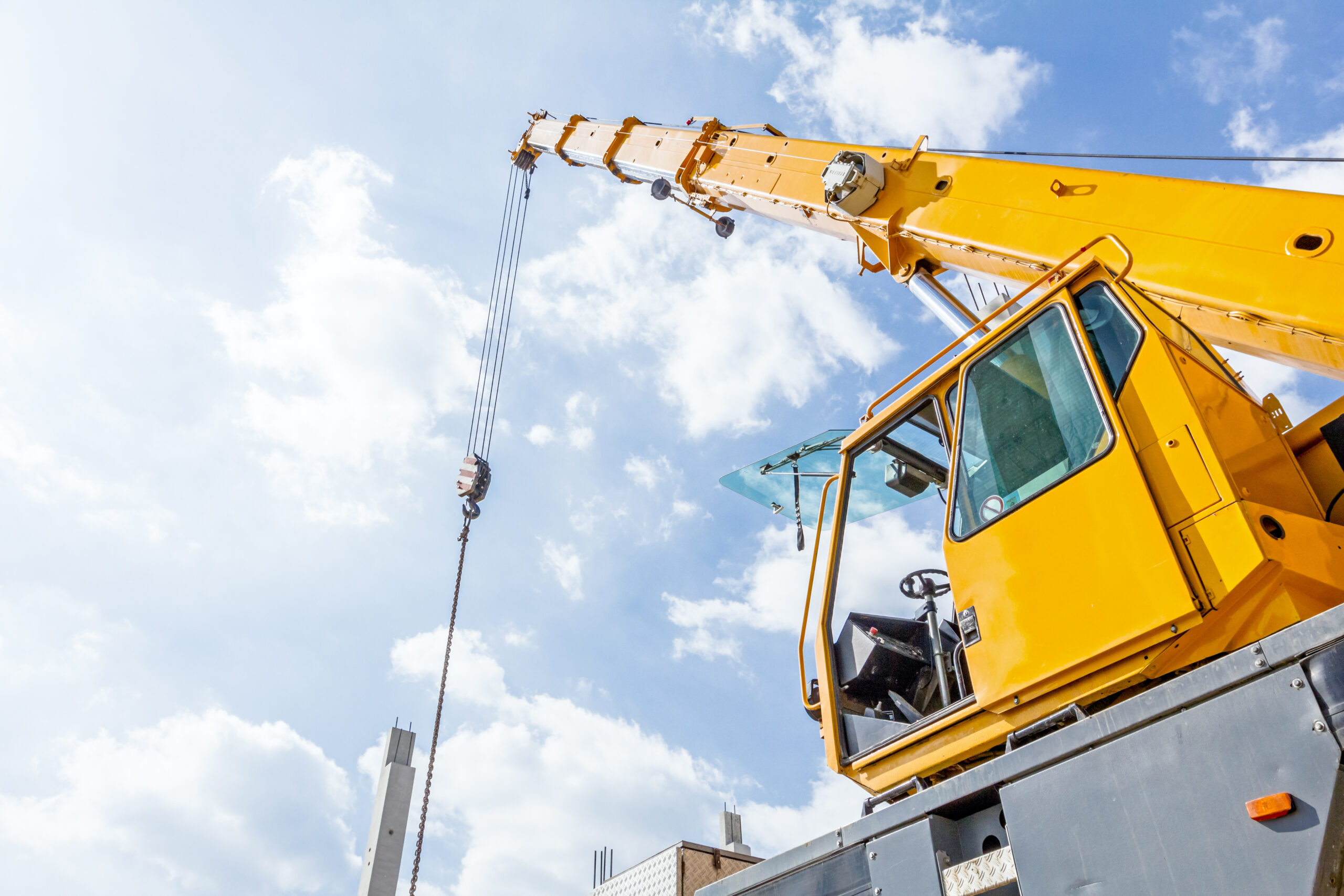
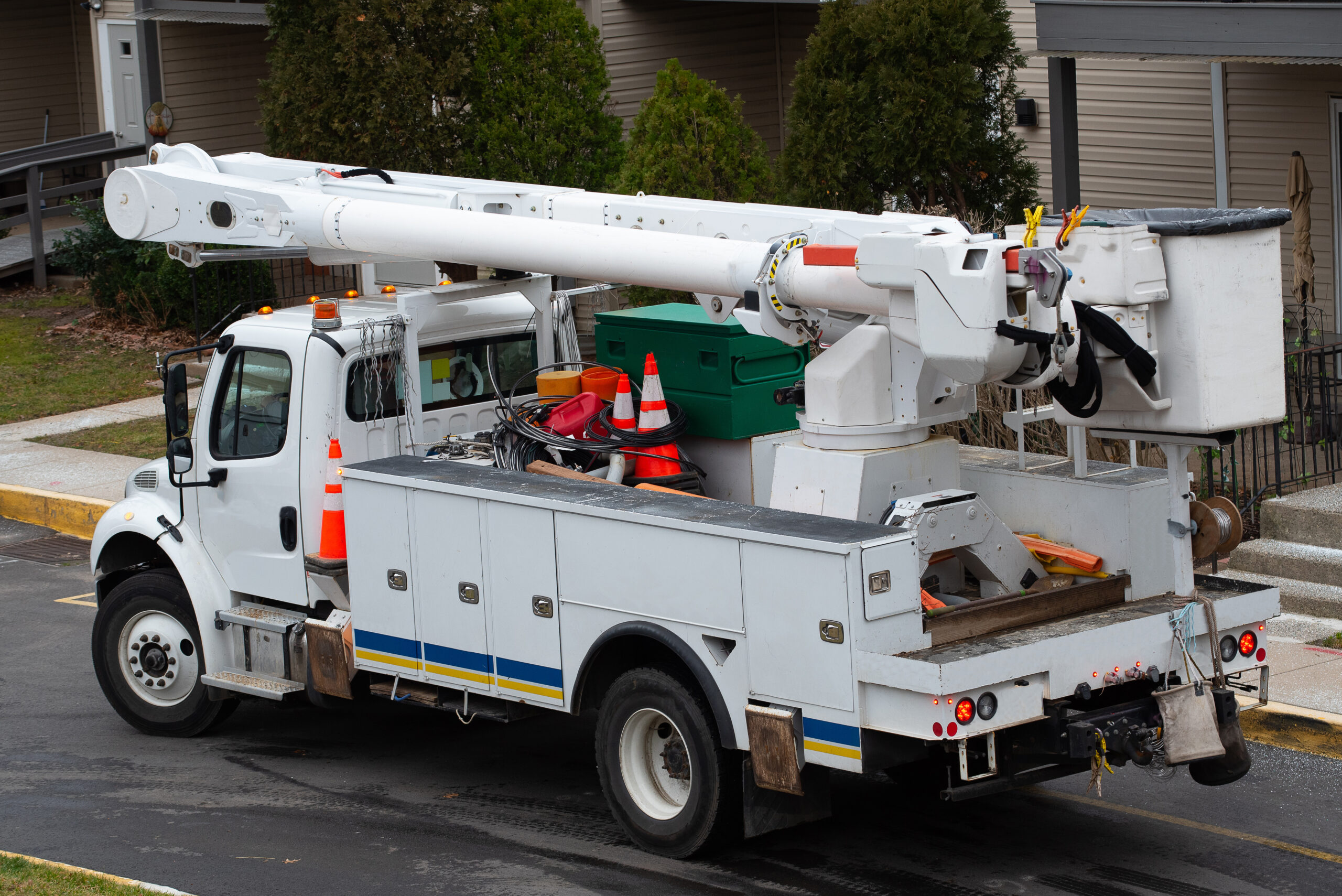
Choose gear that fits the weight, path, and clearances. Forklifts with or without rigger booms, rough terrain telehandlers, gantries, dollies, and cranes are common choices. American Erecting & Ironworks maintains a late-model fleet of cranes, forklifts, telehandlers, and genie boom lifts to match the job. Our equipment rentals are flexible with daily, weekly, monthly, or extended terms.
Do you have a documented lift plan?
A proper plan includes weight, center of gravity, lift points, rigging configuration, crane radius, ground conditions, and spotter placement. Load charts must confirm capacity with margin at the planned radius and boom angle. Confirm where the load will land and how it will be rotated or set into place.
Is all rigging gear inspected and rated?
Use slings, shackles, hooks, and spreader bars with working load limits that exceed the applied load. Inspect for wear, cuts, deformation, and heat damage. Tag gear and keep inspection records. Replace anything questionable.
Who are the operators and signal persons?
Only qualified people should operate lifting equipment. American Erecting & Ironworks provides NCCCO certified crane operators who follow strict safety standards. Assign a dedicated signal person with clear hand signals or radios for control and clarity.
How will you prevent touching sensitive surfaces?
Use softeners, corner protectors, and padded skates. Protect painted surfaces and electronics from rigging contact. Install guards where needed to prevent rub marks or crush points.
Transportation and Tie-Down
What trailer type do you need?
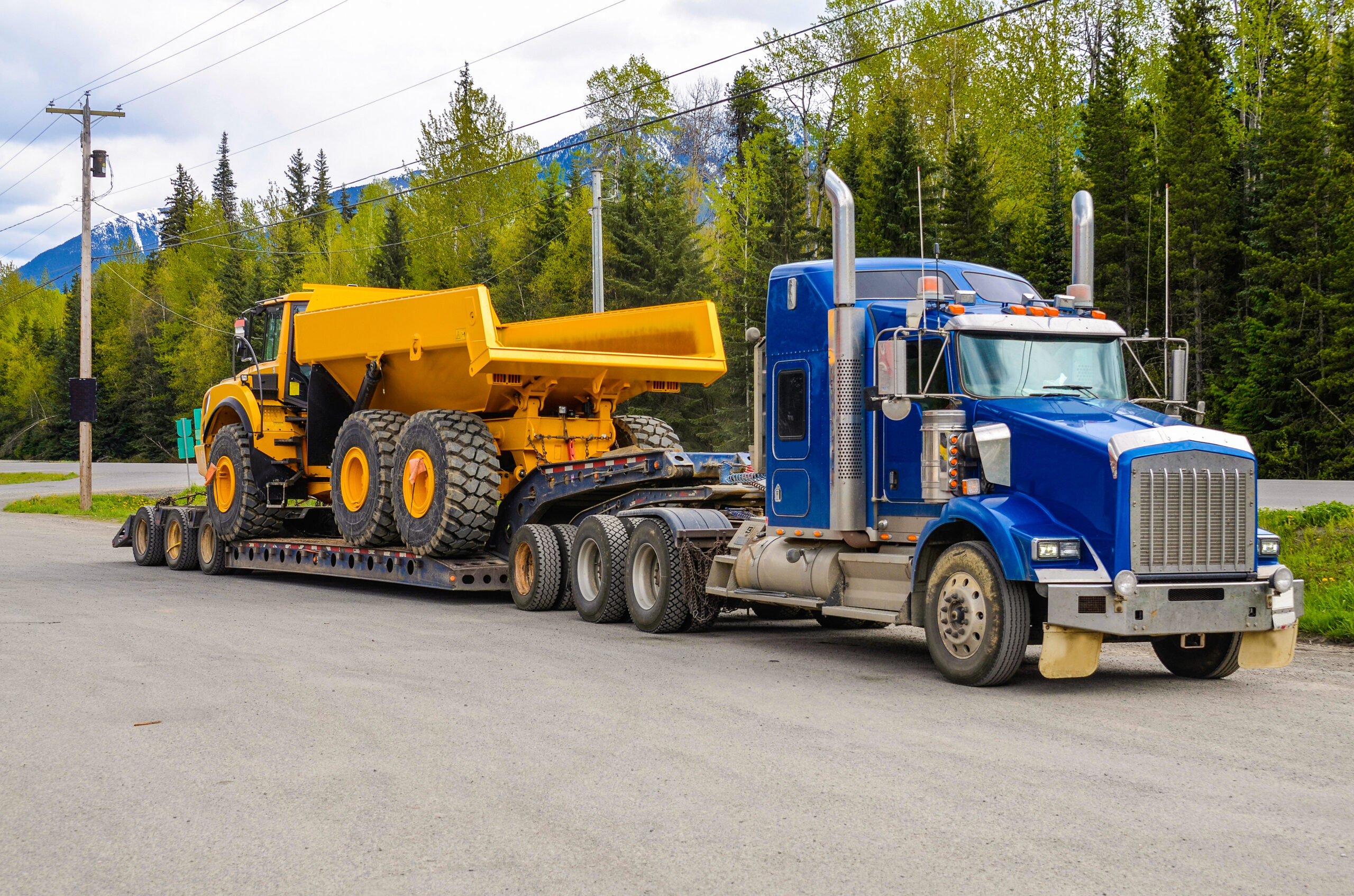
Choose the right platform based on height, weight, and loading method. Options include drop deck, step deck, or RGN. Low height can help clear bridges and doors. Confirm deck length and the number of axles required for legal weight distribution.
Do you have all permits and escorts?
Oversize or overweight loads often require permits, pilot cars, and restricted routes. Confirm travel times and any holiday restrictions. Plan a route with safe turn radiuses and bridge clearances. American Erecting & Ironworks can assist with routing and permits to reduce machinery moving risks during transit.
How will the load be secured?
Use chains, binders, and straps rated for the load with proper angles and edge protection. Tie down to manufacturer-approved points. Install tarps or shrink wrap if weather or road spray could damage sensitive parts. Add shock and tilt indicators for validation.
Are weather and temperature controlled?
Electronics, coatings, and lubricants can be sensitive to moisture and cold. If required, choose enclosed transport or temporary heat. Delay the move if severe weather would increase risk.
Safety, Compliance, and Insurance
Is a job hazard analysis complete?
Identify hazards like pinch points, suspended loads, uneven floors, and nearby traffic. Define controls such as barricades, spotters, and PPE. Review the plan with all workers in a pre-job briefing.
Are lockout and tagout procedures in place?
Lock and tag all energy sources. Test for zero energy state. Verify that hydraulic, pneumatic, and spring energies are relieved. Store keys with the authorized person in charge.
Are you handling hazardous materials correctly?
Coolants, oils, and refrigerants must be drained, captured, and disposed of per regulations. Have spill kits ready and trained people on site. Label all containers and keep documentation.
What insurance and valuation coverage do you have?
Confirm liability and cargo coverage. Decide if you want full replacement value or a specific declared value for high-end assets. Request certificates of insurance from all vendors. Document machine condition with photos before and after the move.
Is documentation complete?
Maintain permits, lift plans, rigging inspections, operator credentials, sign-in logs, and acceptance tests. Clear paperwork reduces disputes and speeds commissioning.
Coordination and Communication
Is there a pre-move meeting with all stakeholders?
Bring together production, maintenance, safety, facilities, the moving contractor, and any OEM reps. Review the plan, contact list, and schedule. Confirm radio channels or call signs and the stop-work authority that any person can use if something seems unsafe.
How will plant operations be protected?
Plan barricades and signage to control pedestrian and forklift traffic. Schedule noisy or disruptive tasks during low-impact hours. If you share a site with other tenants or contractors, notify them in advance to avoid conflicts.
What is the backup plan?
Have contingencies for weather, equipment failure, or blocked routes. Identify alternate equipment, routes, or dates. Build reasonable float into the schedule to absorb small setbacks without rushing, since rushing is one of the biggest machinery moving risks.
Commissioning and After the Move
How will you set, level, and align the machine?
Use precision tools like machinist levels and laser alignment systems. Plan for shimming, grouting, and bolt torque. Check bearings, ways, and guards for travel damage. Replace any shipping braces before power up.
What are the power-up and test procedures?
Follow OEM startup steps. Check voltages, lubrication, and cooling. Test e-stops, guards, and interlocks. Run a dry cycle, then a production test with sample material. Record baseline performance like cycle time, vibration, temperature, and accuracy.
Who signs off and what triggers acceptance?
Agree on acceptance criteria ahead of time. Capture signatures when the machine meets performance specs. Store test data and photos for future reference and warranty support.
Is your team trained for the new setup?
Provide operator and maintenance training on any changes in controls, guarding, or procedures. Schedule the first preventive maintenance to catch settling issues or loose connections after initial operation.
How American Erecting & Ironworks Reduces Machinery Moving Risks
American Erecting & Ironworks is a second-generation, family-owned company in Racine, Wisconsin. Since April 15, 1991, our team has supported contractors, builders, and manufacturers with crane services, machinery moving, equipment rentals, and steel sales. We serve Racine, Kenosha, and Milwaukee counties, plus parts of Lake County, Illinois. Our late-model fleet includes cranes, tractor-trailers, forklifts, rough terrain telehandlers, and genie boom lifts. NCCCO certified crane operators follow high safety standards on every job. We align our work with your schedule, including holiday and weekend moves, to minimize downtime. Learn more at AEAIWI.COM.
Questions we ask before we move your equipment
- What are the weight, dimensions, and center of gravity of your machine?
- Where are the approved lift and tie-down points?
- What are your downtime limits and target go-live date?
- What obstacles or floor limits exist along the route?
- Are utilities and the foundation ready at the new location?
- Do you need cranes, forklifts with rigger booms, telehandlers, or a mix?
- Which permits and escorts are required for transport?
- What protective measures do we need for sensitive components?
- What insurance and documentation do you require?
- What are the acceptance tests after the move?
We also supply steel beams and columns within Wisconsin if your project calls for new support or rework at the destination. If you prefer to self-perform certain tasks, our rental equipment is well maintained and available on flexible terms, with or without operators.
A simple example
A manufacturer needs to relocate a press brake inside the same building. The survey shows a low sprinkler main and a narrow turn. The weight and center of gravity call for a high-capacity forklift with a rigger boom. The path requires temporary removal of a guardrail and protection of a tile floor. Utilities are marked and capped, and a new anchor layout is ready. With a documented lift plan, inspected rigging, and a trained signal person, the move completes on a Saturday with zero damage and the press back in production Monday morning. This is how careful planning reduces machinery moving risks.
Quick Checklist of Questions to Ask
- What are the exact weight, height, width, length, and center of gravity?
- Where are manufacturer-approved lift and tie-down points?
- Are there special OEM transport instructions or braces?
- Have all fluids been drained or secured as required?
- Are loose items removed and sensitive components protected?
- What is the lockout and tagout plan for every energy source?
- Who is the single point of contact for the move?
- What is the schedule, including any off-shift or weekend windows?
- What are the known machinery moving risks and mitigations?
- What path will the machine travel inside and outside the building?
- Are floors rated for the load and in good condition?
- Do doorways, hallways, and turns provide enough clearance?
- Are overhead hazards like lights and pipes identified and protected?
- Is exterior ground stable for trailers and cranes, and free of buried utilities?
- Are permits, escorts, and route approvals in place for transport?
- What trailer type fits the load and height requirements?
- How will you secure the load with rated chains and straps?
- Is weather a factor and do you need tarping or enclosed transport?
- Which equipment will lift and carry the machine at each step?
- Are rigging components rated and inspected with records?
- Are operators and signal persons qualified and briefed?
- Is there a documented lift plan with load chart verification?
- Is the destination pad, anchoring, and isolation ready?
- Are utilities at the new location labeled and within spec?
- Who is responsible for disconnect, cap, reconnect, and verification?
- What insurance coverage and certificates are required?
- How will you document pre-move condition and final acceptance?
- What safety barriers, signage, and PPE are required?
- Do you have a spill response plan and materials on site?
- What is the contingency plan if equipment or weather changes?
- What are the power-up, test, and acceptance procedures?
- Who signs off on completion and performance metrics?
- What training will operators and maintenance receive after the move?
Ready to Move With Confidence
Asking the right questions turns a risky machinery move into a smooth project. From lift planning and route surveys to safe transport and precise set-in-place, every detail matters. American Erecting & Ironworks has over 30 years of experience protecting equipment and schedules for manufacturers across southeastern Wisconsin and nearby Illinois. Our team provides crane services, machinery moving, equipment rentals, and steel sales with a focus on safety and customer satisfaction. To discuss your project or request a quote, visit AEAIWI.COM or contact us below.
Contact American Erecting & Ironworks
Address: 2108 Clark St, Racine, WI 53403
Phone: (262) 637-7177
Hours: Monday through Friday, 7:00 AM to 4:30 PM
If you want a partner who plans for machinery moving risks before they cause problems, call American Erecting & Ironworks today. We look forward to moving your equipment safely and getting you back to work fast.