Telehandler vs Forklift: What You Need to Know Before You Rent
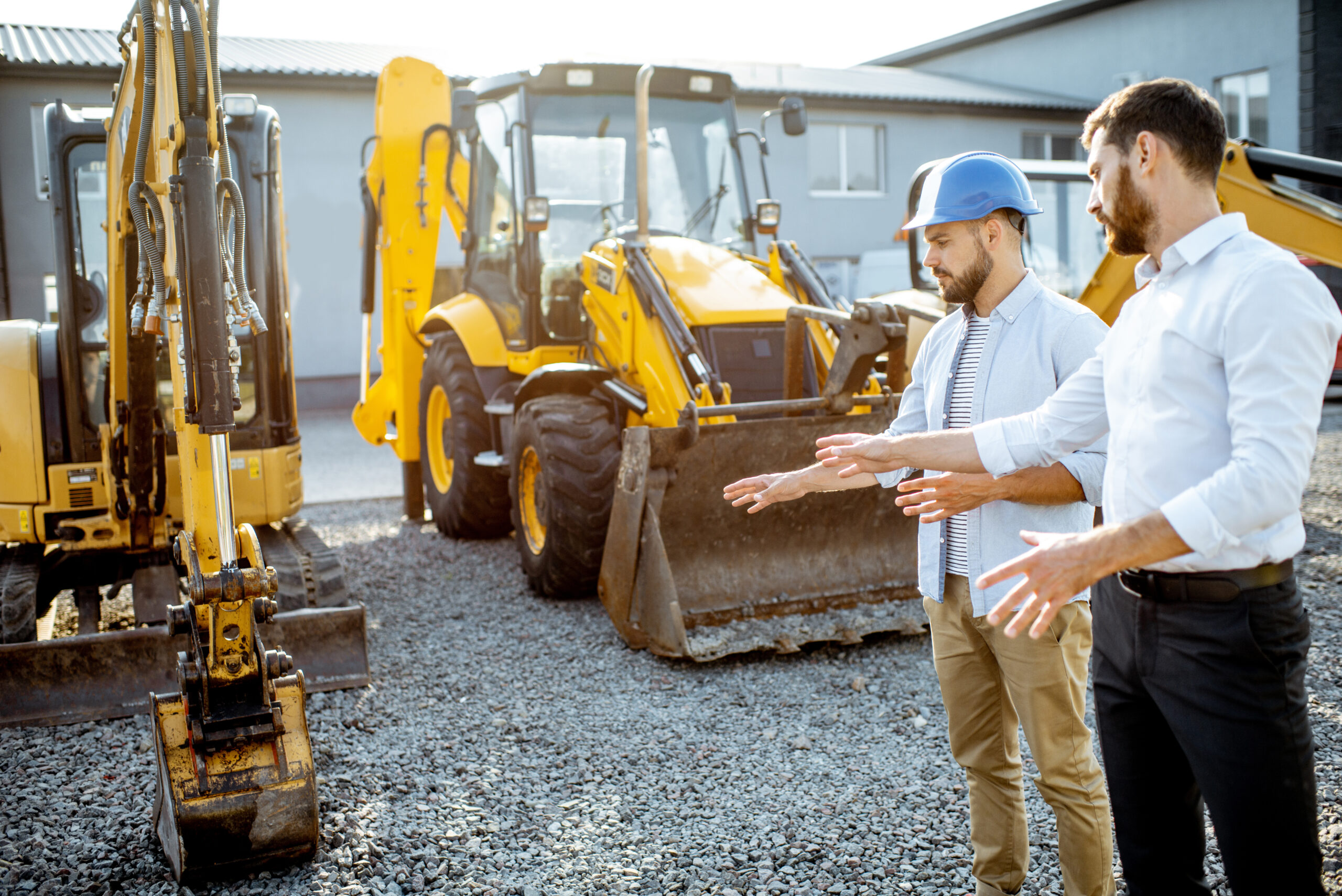
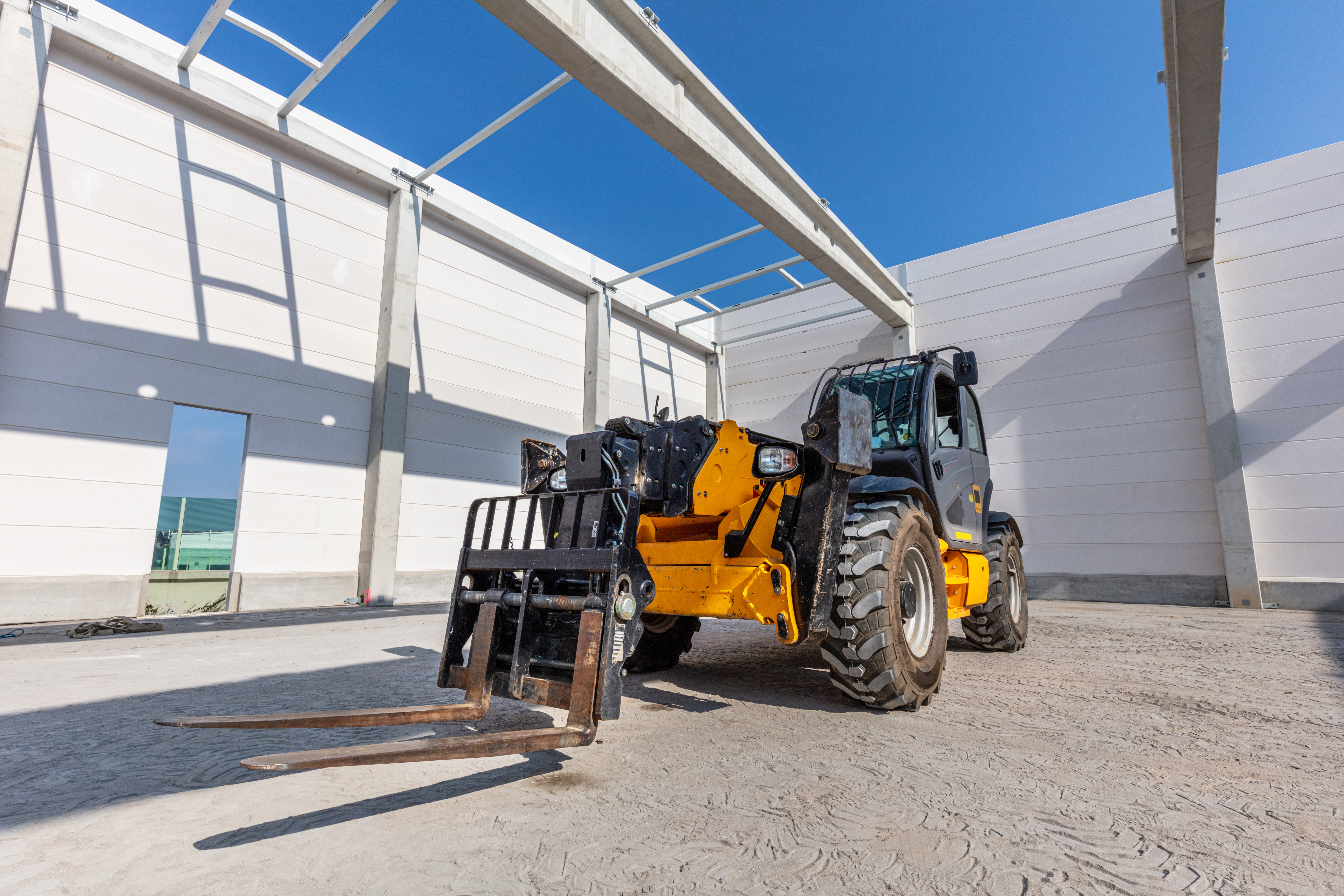
Telehandler vs forklift is a common question on busy jobsites across Racine, Kenosha, Milwaukee, and nearby Lake County in Illinois. Both machines lift and move materials, but they work in very different ways. A forklift lifts straight up and down and is excellent on flat, smooth ground like a warehouse floor. A telehandler uses a telescopic boom to extend forward and upward. That extra reach lets you place materials where a standard forklift cannot go. If your project involves uneven ground, tall placements, or hard to reach spots, a telehandler often delivers better results.
At American Erecting & Ironworks, we rent both rough terrain telehandlers and forklifts, including forklifts with or without rigger booms. We also provide crane services, machinery moving, and steel sales. With more than 30 years serving Southeast Wisconsin, our team helps contractors choose the right tool for the job and the right rental term to match the schedule. Reach us at (262) 637-7177 or visit AEAIWI.COM to request a quote.
Top 5 Reasons to Rent a Telehandler Over a Forklift
1. Greater reach and precise placement
Reach is the number one advantage in the telehandler vs forklift decision. A telehandler boom extends out and up to move loads over obstacles like landscaping, curbs, or foundation walls. You can lift palletized materials to upper floors, set roof trusses from the ground, or place stone onto a second story balcony without building temporary ramps. Forklifts are designed for straight vertical lifts and short travel on flat surfaces. When the plan calls for height and forward outreach, a telehandler gives you precise placement with less fuss and fewer setups.
This reach makes a major difference on projects like siding, roofing, and steel erecting. Instead of staging materials repeatedly or moving a forklift from spot to spot, the telehandler operator can boom out from a stable location and place what crews need exactly where they need it. That saves time and keeps workers moving.
2. Rough terrain performance on real jobsites
Most jobsites are not smooth. Mud, gravel, ruts, and snow are common in Wisconsin and northern Illinois. Telehandlers are built for these conditions. They typically have larger tires, higher ground clearance, four wheel drive, and features that help with stability on angled surfaces. Many models include frame leveling to keep the machine steady before you lift.
By comparison, a standard warehouse style forklift can struggle on soft ground or uneven grades. While a rough terrain forklift can help on challenging surfaces, it still lacks the forward reach of a telehandler. If you expect variable terrain along with height or distance, a telehandler offers a more complete solution.
3. Versatility with attachments and job-specific tasks
The telehandler is a jobsite multitool. Swap forks for a bucket to move aggregate. Add a truss boom to handle long loads. Use a material handling jib for HVAC units or steel beams. Some models accept platform attachments to support work at height. This flexibility helps one machine cover several tasks through the day. With the right plan, you finish more work with fewer machines on site.
Forklifts can also use attachments, and forklifts with rigger booms are useful in tight industrial settings. Still, the combination of rough terrain mobility, long reach, and fast attachment changes makes a telehandler hard to beat for outdoor construction, steel erecting, and building work.
4. Productivity and schedule gains
A smart rental should add hours back to your schedule. Telehandlers reduce material handling steps and limit the need to restage pallets or set up temporary platforms. When the operator can place materials exactly where they are used, crews focus on the install instead of moving things twice. Fewer restarts and fewer trips across the site add up to real gains in productivity.
On many projects, a telehandler also reduces wait time on other equipment. For example, a small crane pick may be avoided when a telehandler and jib attachment can handle the load within rated capacity and reach. American Erecting & Ironworks can evaluate these options with you. We rent telehandlers, forklifts, and cranes, and we can propose a plan that keeps your crew moving while managing cost and risk.
5. Total value for the project budget
At first glance, a basic forklift rental might look less expensive than a telehandler. When you consider the whole project, telehandlers often deliver better value. Savings show up in fewer machine moves, less rework, reduced damage to landscaping, and less time building temporary platforms. Better reach and terrain handling help you maintain a safer, cleaner jobsite, which can reduce costly delays.
American Erecting & Ironworks backs that value with flexible rental options. Choose daily, weekly, monthly, or extended terms to fit the work plan. If your scope changes, we can adapt the rental and assist with attachments or additional equipment. Our late model, well maintained fleet lowers the chance of downtime, so your schedule stays on track.
Telehandler vs Forklift: Quick Comparison by Use Case
Looking at telehandler vs forklift by task can help you decide faster. If the work stays on flat, finished floors and involves low lift heights, a forklift is often the right pick. Warehouses, manufacturing aisles, and indoor material staging are good examples. If you face uneven ground, outdoor settings, or the need to reach over obstacles, a telehandler usually wins. Construction sites, steel erecting, roofing, and exterior renovations often fall into this group.
- Outdoor construction with uneven ground: Telehandler
- Second or third story material placement: Telehandler
- Indoor pallet moves and racking: Forklift
- Tight industrial moves with a rigger boom: Forklift with rigger boom
- Fast staging for roofing, siding, or masonry: Telehandler
- Loading and unloading trucks on gravel: Telehandler or rough terrain forklift, telehandler if reach is needed
When a Forklift Makes More Sense
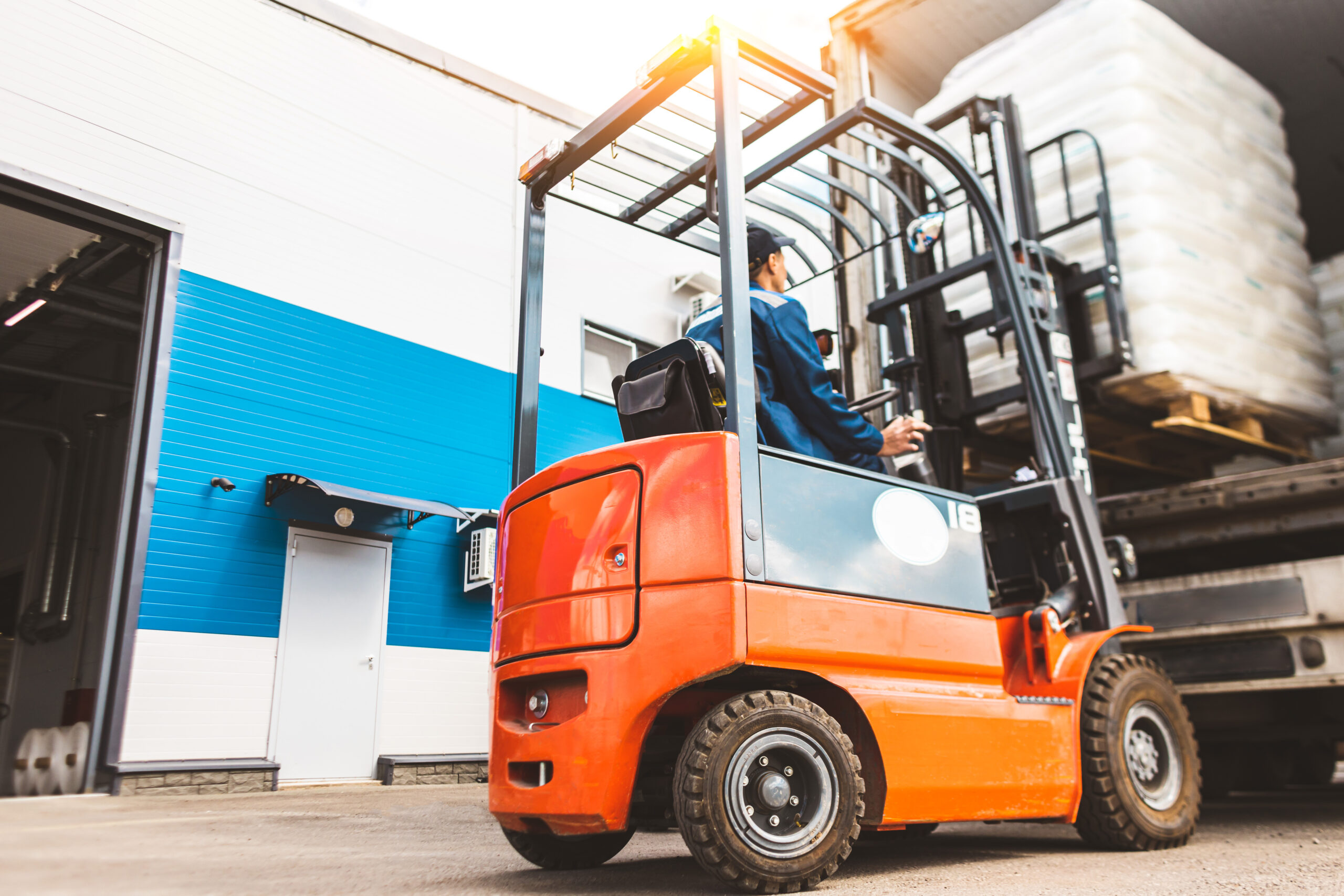
Forklifts shine in controlled environments. If you work on smooth floors with low ceiling heights, need tight turning in narrow aisles, or must maneuver around sensitive equipment indoors, a forklift is ideal. It is simple to operate, compact, and cost effective for palletized loads near ground level. American Erecting & Ironworks rents forklifts with or without rigger booms for industrial plants and shops throughout Racine, Kenosha, and Milwaukee. If you are not sure which model fits your space, our team can help you choose based on aisle width, door openings, and floor ratings.
Safety and Training Tips for Both Machines
Safe operation is essential whether you choose a telehandler or a forklift. Always match the machine and attachment to the load chart. Inspect tires, forks, hydraulics, and safety systems before each shift. Use a spotter when visibility is limited, and maintain a clear exclusion zone beneath elevated loads. Operators should wear seat belts, secure the cab, and travel at safe speeds for the surface and conditions. Never exceed the rated capacity or reach limits.
American Erecting & Ironworks follows strict safety standards across our fleet. Our NCCCO certified crane operators set the tone for cautious planning and careful execution. We bring the same focus to our telehandler and forklift rentals. If you need help reading a load chart or selecting an attachment, ask our team for guidance. Safer choices protect your crew and your schedule.
Real Projects Where a Telehandler Excels
Telehandlers are workhorses on many of the projects we support across Southeast Wisconsin and nearby Illinois. Here are common examples where a telehandler often outperforms a standard forklift.
- Roofing and siding: Lift shingles, metal panels, or trim kits to roof edges or upper levels without building ramps.
- Steel erecting: Handle beams or deck packs and position them near install points. Pair with a crane when needed.
- HVAC placement: Move rooftop units closer to final set locations to reduce crane time or staging effort.
- Masonry and stone: Deliver pallets directly to scaffolding platforms or upper floors to reduce manual handling.
- Framing: Use a truss boom to place long lumber or roof trusses from a stable, level position.
- Landscape and site work: Swap on a bucket to move mulch, gravel, or soil, then return to forks for materials.
How to Choose the Right Size Telehandler
Not all telehandlers are the same. Selecting the right capacity and reach ensures safe, efficient work. Consider these factors before you rent.
- Load weight: Know the heaviest pallet or object you plan to lift, including packaging and rigging.
- Maximum height and outreach: Identify the highest placement point and the horizontal distance to reach it.
- Ground conditions: Note slopes, mud, gravel, or snow. This affects tire selection and machine stability.
- Attachment needs: Plan for forks, buckets, truss booms, jibs, or platforms. Each attachment changes the load chart.
- Access and delivery: Measure gate openings, turning radii, and staging areas so delivery goes smoothly.
- Operator training: Confirm that operators are qualified for the machine and attachments you select.
American Erecting & Ironworks can help you size a telehandler to your plan. Share your drawings, photos, or site notes and we will recommend a model that meets your height and reach goals with a safety margin. We serve Racine, Kenosha, Milwaukee, and portions of Lake County in Illinois, and we can coordinate equipment delivery to fit your schedule.
Why Choose American Erecting & Ironworks for Your Rental
American Erecting & Ironworks is a second generation, family owned company that has served contractors, builders, and manufacturers since 1991. We operate a late model fleet and maintain our equipment to high standards so your crew can work with confidence. Our rental contracts are flexible, with daily, weekly, monthly, and extended terms. If you need a telehandler for framing this week and a forklift with a rigger boom for plant work next week, we can support both needs and keep you moving.
- Crane services for heavy picks and HVAC lifts
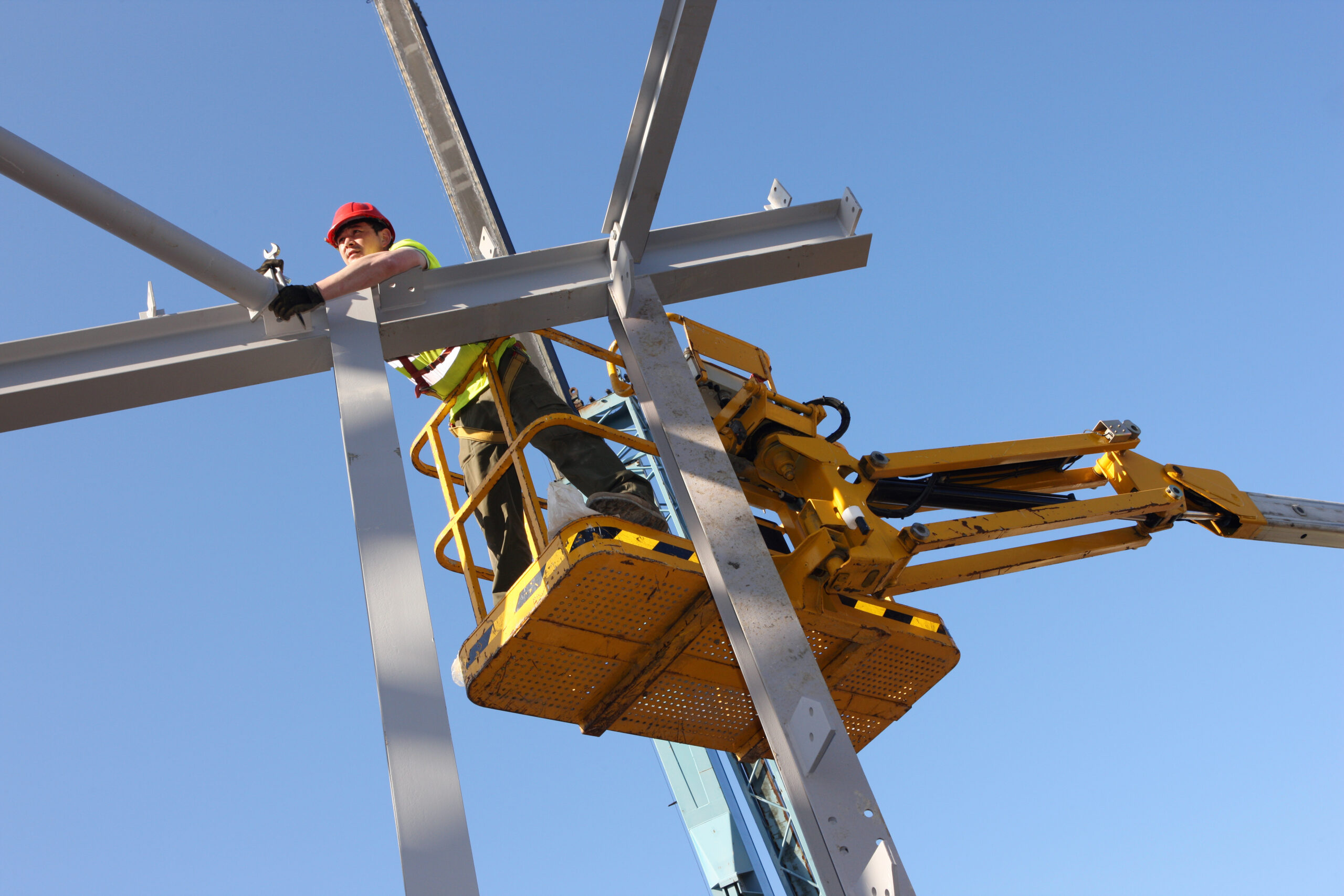
- Equipment rental including forklifts, rough terrain telehandlers, and genie boom lifts
- Machinery moving with schedules that minimize downtime, including weekends and holidays when required
- Steel sales for beams and columns in common sizes across Wisconsin
- NCCCO certified crane operators and a safety first culture
Bundling services often creates better value. For example, use a telehandler to stage materials and a crane from our fleet for final placement. With one call to American Erecting & Ironworks, you get the right mix of machines and expertise, all coordinated to your project timeline.
Telehandler vs Forklift: Cost and Scheduling Tips
To control cost and keep your schedule, plan your equipment in stages. First, map the days when reach is essential. If only a portion of the project needs height and outreach, schedule the telehandler for that window. Next, review indoor material moves. A forklift might serve the balance of the project. Finally, confirm delivery and pickup dates so machines arrive when the crew is ready to use them. Idle time is a hidden cost that careful planning can avoid.
American Erecting & Ironworks helps customers right size each rental. We can pre check site access, suggest attachment kits, and align rental terms with your crew hours. If you need weekend or holiday support, our team will work with your timeline to reduce downtime and keep production steady.
Frequently Asked Questions
Can a telehandler replace a crane?
Not always. Telehandlers handle many lifts within rated capacities and reach, but cranes are required for heavier loads or specialized picks. Our team can review your plan and recommend when to use a telehandler alone and when to bring in a crane.
Is a rough terrain forklift a good middle ground?
It can be, especially when you need better traction on loose ground but do not need forward outreach. If your work also needs height or to reach over obstacles, the telehandler remains the better choice.
What attachments should I consider?
Common attachments include standard forks, carriage with side shift, buckets for bulk materials, truss booms for long lumber, and jibs for controlled picks. Tell us what you are lifting and we will match the attachment to the task.
What areas do you serve?
We serve Racine, Kenosha, and Milwaukee counties in Wisconsin, plus parts of Lake County in Illinois. Call us to confirm service for your jobsite.
Ready to Decide Telehandler vs Forklift for Your Project
If your project needs height, outreach, and reliable performance on rough ground, a telehandler usually delivers the best result. When you need fast pallet moves on smooth floors or tight indoor maneuvering, a forklift may be the smarter fit. Either way, American Erecting & Ironworks will help you choose the right machine and rental term. Our local team understands the ground conditions, weather, and building styles across Southeast Wisconsin and northern Illinois.
Call American Erecting & Ironworks at (262) 637-7177, visit AEAIWI.COM, or stop by 2108 Clark St, Racine, WI 53403. Hours are Monday through Friday, 7:00 AM to 4:30 PM. Ask for a quote, discuss load charts, or request delivery timing that aligns with your crew. Telehandler vs forklift is not a guess when you have the right partner. Choose smarter and keep your job on schedule.