Essential Skills Every Crane Operator Should Master
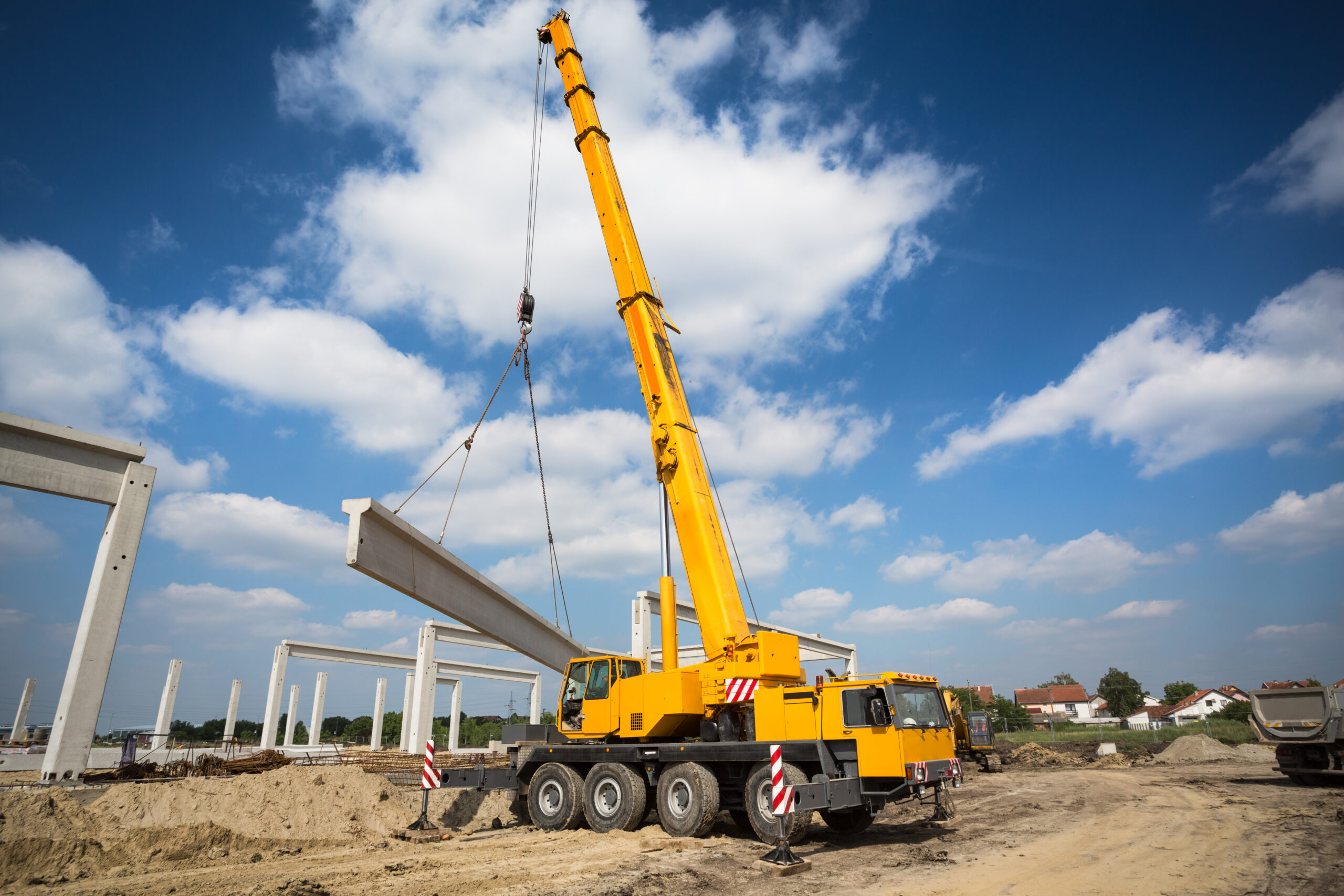
Crane operators play a critical role in construction projects, as they are responsible for lifting and moving heavy loads safely and efficiently. In this blog post, we will discuss the key skills and qualities that make a successful crane operator, including technical knowledge, communication, and problem-solving.
Technical Knowledge and Training
Crane operators must have a deep understanding of the equipment they operate, including its capabilities, limitations, and safety features. Proper training and certification are essential to ensure that operators are knowledgeable and skilled in their roles.
Situational Awareness and Attention to Detail
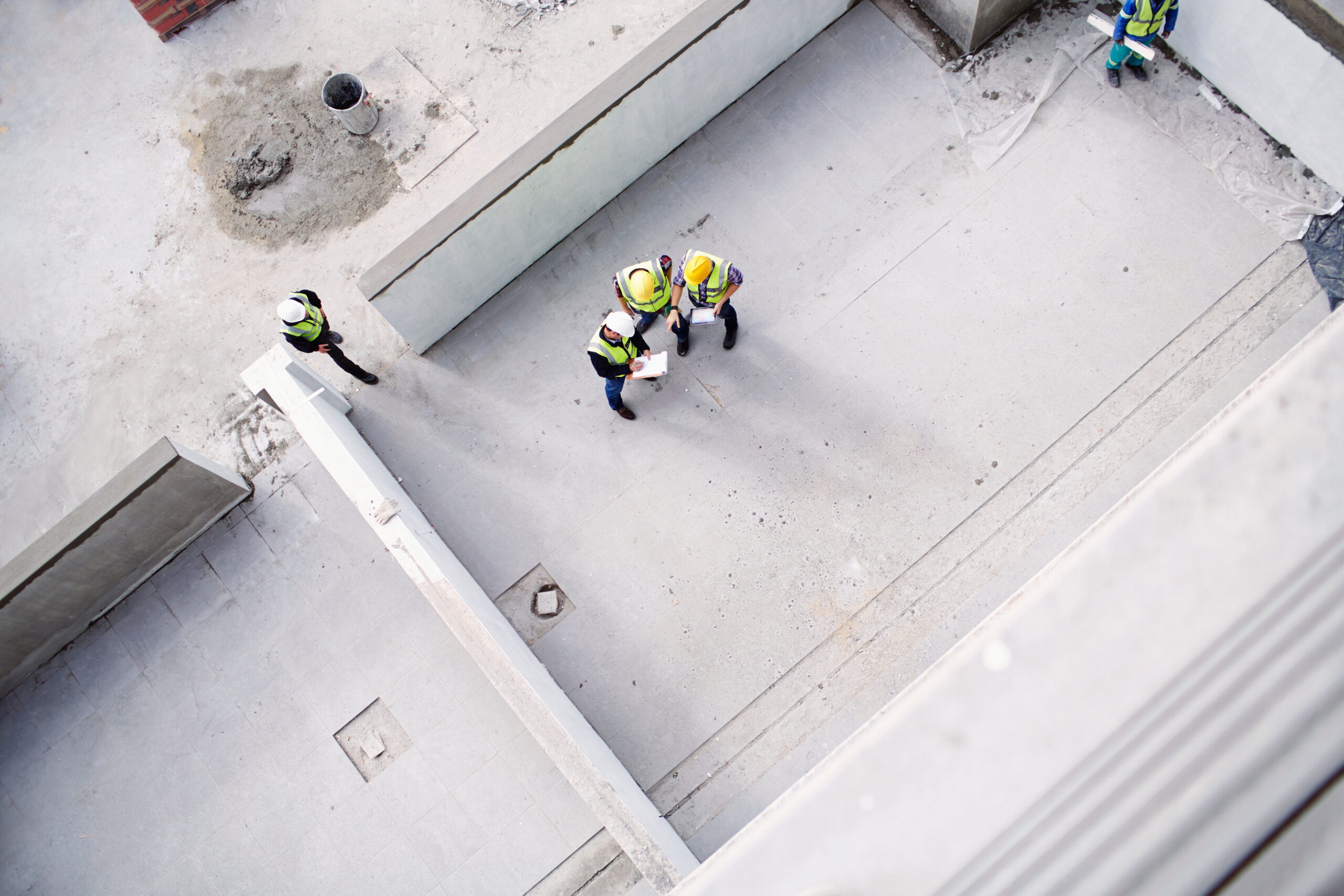
A successful crane operator must be aware of their surroundings at all times and maintain focus on their task. This includes monitoring the position of the load, the movement of other equipment and personnel, and any potential hazards on the worksite.
Communication Skills

Crane operators must effectively communicate with ground personnel, signalers, and other team members to coordinate lifting operations safely. Clear and concise communication is crucial to avoid misunderstandings and ensure the safe execution of tasks.
Problem-Solving and Decision-Making Abilities
Crane operators often encounter unexpected challenges or situations that require quick thinking and sound judgment. The ability to assess a situation, weigh the risks, and make informed decisions is a valuable skill for any crane operator.
Adaptability and Flexibility
Construction sites are dynamic environments, and crane operators must be able to adapt to changing conditions and requirements. This may include adjusting to new equipment, working with different crews, or adapting to weather conditions and site-specific challenges. A flexible and adaptable mindset will help crane operators succeed in these ever-changing environments.
Safety Consciousness
A commitment to safety is a critical quality for any crane operator. This includes adhering to safety regulations, following proper procedures, and consistently maintaining and inspecting equipment. A proactive approach to safety helps prevent accidents and create a secure work environment for everyone on the construction site.
Teamwork and Collaboration
Crane operators must work closely with other team members to ensure the smooth and safe execution of lifting operations. This requires the ability to collaborate effectively, listen to feedback, and contribute positively to the team dynamic.
Physical Fitness and Stamina
Operating a crane can be physically demanding, requiring operators to maintain a certain level of physical fitness and stamina. This includes the ability to climb ladders and work at heights, as well as the endurance to work long hours and handle the physical demands of the job.
Becoming a successful crane operator requires a combination of technical knowledge, practical skills, and personal qualities. By mastering these essential skills, crane operators can contribute to the safe and efficient completion of construction projects, making them valuable assets to their teams and employers.